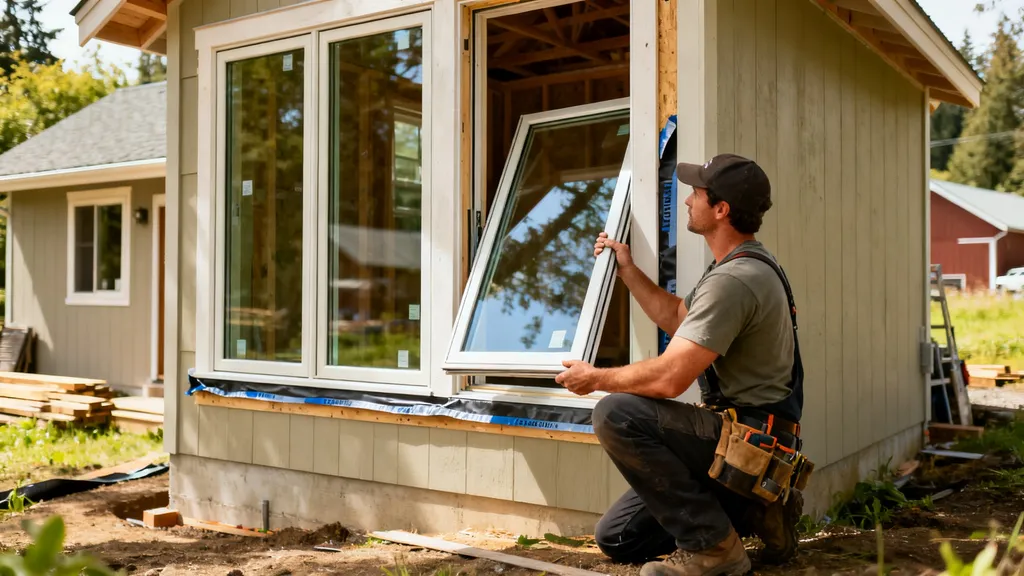
A clear, practical guide to how low-E coatings affect window energy, comfort, and selection for DIY eco homebuilders.
Low-E Coatings: Understanding Window Performance
Low-emissivity or low-E windows use microscopically thin metallic coatings on glass to control radiant heat transfer. For DIY eco homebuilders, understanding low-E coatings is one of the highest-impact ways to improve comfort and reduce heating and cooling loads without rebuilding walls or roofs. This guide explains what low-E coatings are, how they affect U-factor, SHGC and visible transmittance, when to choose which type, and budget-friendly retrofit options so you can pick the right glazing for your climate and build.
TL;DR:
- Low-E coatings can reduce radiative heat loss from windows by roughly 20–50%, lowering the window U-factor by 0.10–0.25 in common double-pane units.
- For cold climates prioritize low U-factor (low-E on surface 2 with argon/krypton fill); for hot climates prioritize low solar heat gain coefficient (solar-control low-E).
- Budget retrofit options include interior storm windows and certified low-E films; full-frame replacement gives the biggest long-term savings when frames or seals are failing.
What Are Low-e Coatings? a Clear Definition for DIY Builders
Definition and the Basic Purpose
Low-emissivity coatings are very thin metallic or metal-oxide layers deposited on glass to lower its emissivity — the glass’s tendency to radiate heat. A normal clear glass surface emits and absorbs infrared energy more readily; a low-E surface reflects much of that infrared while still letting visible light through. Think of it like sunscreen for glass: it lets visible light in while reflecting unwanted heat (either outgoing heat in winter or incoming heat in summer, depending on the coating).
The U.S. Department of Energy explains the basic consumer benefits and energy performance improvements that low-E glass can deliver; their guide is a practical starting point for comparing product claims and NFRC labels: consumer guide to energy efficient windows.
Two Common Types: Hard (pyrolytic) vs Soft (sputtered) Coats
- Hard coat (pyrolytic): Applied during glass manufacturing and baked onto the surface. It’s durable and suitable for single-pane or storm-window applications. Hard coats resist handling and direct exterior exposure.
- Soft coat (sputtered or vacuum-deposited): Multiple ultra-thin metal layers (often silver-based) applied in a vacuum. Soft coats offer lower emissivity and better solar control but are fragile at the surface; they usually sit on an interior glass face inside an insulated glass unit (IGU) to avoid abrasion.
Tradeoffs: soft coats generally give better thermal performance and lower emissivity numbers but require placement inside IGUs (not directly exposed). Hard coats are cheaper and can survive retrofit storm-window use.
Which Glass Surfaces Get Coated in Insulated Glass Units (surface Numbering)
IGUs are typically labeled with surface numbers starting on the outside of the exterior pane:
- Surface 1 = exterior face of outer pane
- Surface 2 = interior face of outer pane (facing the gap)
- Surface 3 = exterior face of inner pane (facing the gap)
- Surface 4 = interior face of inner pane
Surface placement matters. In cold climates, a low-E on surface 2 (the warm-side of the outer pane) helps reflect indoor heat back into the room, reducing U-factor. In some high-solar designs, a solar-control low-E on surface 3 helps block incoming shortwave solar energy while keeping visible light levels acceptable.
The National Fenestration Rating Council (NFRC) provides standardized test methods for IGU performance; when comparing windows, pay attention to which surface the manufacturer says is coated.
Why Low-e Coatings Matter for Window Performance and Comfort
How Low-e Affects U-factor, SHGC, and Visible Transmittance
Three numbers drive window selection:
- U-factor: Measures total heat transfer (lower is better for cold climates). A low-E coating reduces radiative heat loss across the glass, often lowering U-factor by 0.10–0.25 compared with clear double-pane glass, depending on the gas fill and spacer.
- Solar heat gain coefficient (SHGC): Fraction of solar radiation admitted. Some low-E coatings are designed to reduce SHGC (solar-control low-E), important in hot or high-sun exposures.
- Visible transmittance (VT): Percent of visible daylight transmitted. Most modern low-E coatings retain high VT (0.5–0.7) but certain solar-control coatings trade down VT for reduced SHGC.
Product choices change these numbers sharply. For example, a standard double-pane clear window might have a U-factor around 0.45–0.60, while a double-pane with soft coat low-E and argon fill can reach 0.25–0.30 (values vary by frame and spacer). The industry guide from MI Windows provides practical ranges and examples: a guide to energy-efficient Low-E windows.
Comfort: Reducing Cold Spots, Drafts, and Glare
Low-E coatings raise the interior surface temperature of the inner glass in winter, cutting cold radiative discomfort near windows and reducing the perception of draughtiness. In summer, solar-control low-E reduces overheating and glare on sunny exposures. For glare balancing and daylight quality, see our article on glare-free design.
But windows aren’t the whole answer. Airtightness and controlled ventilation affect comfort as much as glazing performance; a leaky window or wall will negate much of a low-E upgrade. Run a blower door test when possible to quantify infiltration before upgrading glass.
Whole-envelope Thinking: How Low-e Works with Insulation and Airtightness
Windows account for a small fraction of wall area but a disproportionate share of heat loss and solar gain. Pairing better glazing with higher-performing walls, roofs, and foundations multiplies benefit. For example, adding exterior wall continuous insulation reduces conductive losses through the wall that otherwise counteracts glazing upgrades; learn about practical approaches in our exterior wall insulation guide. Similarly, attic thermal performance affects heating load—see attic insulation options when sizing heating systems after a glazing upgrade.
Selecting low-E should be part of a plan that includes better frames, correct flashing, and a sealed air barrier — not a stand-alone fix.
How Low-e Coatings Work: the Physics in Plain English
Emissivity, Reflectivity and the Role of Infrared
Emissivity is a measure from 0 to 1 of how readily a surface emits thermal radiation. Clear glass has a relatively high emissivity, meaning it radiates heat away as infrared. A low-E coating lowers emissivity (values often drop from ~0.84 for clear glass to ~0.04–0.20 for coated glass), so the inner glass surface radiates less heat to the cold outdoors and keeps interior heat inside.
Analogy: imagine two windows at night. One is a dim mirror that reflects indoor warmth back into the room (low emissivity); the other behaves like a plain lamp shade that radiates heat outward. The reflective low-E layer is selective — designed to reflect longer-wavelength infrared while letting shorter-wavelength visible light pass.
For deeper reading on how coatings reduce radiative transfer and market adoption history, the Lawrence Berkeley National Laboratory provides helpful technical summaries: Low-E windows.
Why Surface Placement and Gas Fills (argon, Krypton) Matter
Coatings must be protected from abrasion, so soft coats live on interior glass faces inside IGUs (usually surface 2 or 3). Which surface you choose changes performance:
- Surface 2 low-E is common in cold climates to reflect indoor heat.
- Surface 3 low-E or specialized solar-control coatings are used to manage solar gain on sunlit exposures.
Gap gases influence conductive heat transfer across the cavity. Argon is common and reduces conduction compared with air; krypton is better for narrow gaps and yields slightly lower U-factors but at higher cost. Spacers and edge seals also matter — warm-edge spacers reduce edge conduction and condensation risk.
Common Misconceptions (low-e Doesn’t “block All Heat”)
Low-E coatings reflect radiative heat but do not eliminate conduction or convection through frames and gaps. They do not make glass “insulating” in the way insulated walls are. Expect performance gains in the glass assembly, but know that poor frames, leaky installation, or single-pane assemblies will limit overall effect.
For advice on indoor humidity control and condensation management after glazing upgrades, see our guide to ventilation strategies.
Before moving on, watch an animated explainer that visually separates radiation vs conduction inside IGUs and shows surface numbering — it clarifies what the coating does in practice:
How to Choose and Apply Low-e Windows for Your Project
Climate-based Selection: Cold, Mixed, and Hot Climates (practical Recommendations)
- Cold climates: Prioritize low U-factor. Choose soft-coat low-E on surface 2 with argon or krypton fill and thermally broken frames. Target U-factors ≤ 0.25 for very cold sites or passive-house-level builds; for moderate cold, 0.28–0.35 is common.
- Mixed climates: Balance low U-factor with moderate SHGC. Select coatings that lower emissivity but keep SHGC around 0.3–0.5 depending on orientation.
- Hot climates: Prioritize low SHGC (solar-control low-E), especially on east and west exposures where low-angle sun causes glare and overheating.
If building with passive solar in mind, tailor glazing by façade: maximize usable south glazing with moderate-to-high SHGC for winter gain but add shading for summer. See our orientation guide for details on siting and solar gains: window orientation.
Reading Labels: NFRC Ratings, U-factor, SHGC, and VT — What to Prioritize
When comparing windows, read the NFRC label and compare the actual tested U-factor, SHGC and VT. Prioritization rules:
- Cold climates: U-factor then VT.
- Hot climates: SHGC then VT.
- Mixed climates: pick a balance and use orientation to guide placement.
Look beyond just the glass: frame material, spacer type, and installation quality change real-world performance. For a cost-conscious material shortlist, consult our budget friendly green materials guide.
Retrofit Options: Films, Storm Windows, and Replacing Glazing vs Full Window Units
- Interior or exterior storm windows: Add a second layer cheaply with good gains if existing frames are in solid condition.
- Low-E retrofit films: Low-cost and fast, but performance and durability vary; professional installation improves results. Films may affect visible clarity and are subject to warranty limits.
- Replacement sashes or full-frame replacement: Full replacement addresses failing frames, improves airtightness and provides best long-term savings. Choose NFRC-rated units with reputable edge spacers and insulated frames.
- Triple glazing: Useful for very cold climates or high-performance builds; higher initial cost and weight but lower U-factor and improved acoustic performance.
For a stepwise retrofit workflow where glazing is only one piece of the envelope upgrade, see our passive house retrofit tips.
Installation Tips: Orientation, Shading, and Sealing for Best Performance
- Orientation and shading: Avoid large, unshaded east/west glazing; use overhangs or external shading where possible.
- Flashing and water control: Proper flashing and sill pan prevent leaks that lead to rot and seal failure.
- Air sealing: Install continuous air barrier at the jambs; use compatible tapes and membranes so the window is part of the sealed envelope.
- Thermal breaks and frame selection: Choose frames with thermal breaks or high-performance composites in cold climates.
- Acceptance testing: After install, check for proper operation, R-values from NFRC, and run a blower door test if doing broader envelope work.
Small builds and cabins need tailored choices: see our tips for tiny house build tips and small cabin planning. For larger passive-oriented projects, consider how glazing choices fit if you plan to apply passive house principles.
For technical guidance on combining surface selection and solar-control strategies, a vendor-focused primer can be helpful for product comparisons: Guide to low-e coatings.
Common Misconceptions, Trade-offs, and Avoidable Mistakes
Myth-busting: Brightness, Views, and "all Low-e Coatings Are the Same"
- Low-E doesn’t always make rooms noticeably darker. Visible transmittance depends on coating formulation; many low-E glasses keep VT high. Compare VT numbers on NFRC labels rather than assuming darkness.
- Not all low-E coatings deliver identical outcomes. Different formulations target either low U-factor or low SHGC. Match the coating to climate and orientation.
- Low-E won’t fix poor frames or a leaky installation. A top-performing glass in a bad frame gives poor results.
Durability and Cleaning: What to Expect with Soft Coats
Soft-coat glass is protected inside IGUs and generally needs no special cleaning beyond the manufacturer’s guidance. Hard-coat products can be used on storm windows and other exposed situations. Avoid abrasive cleaners and pads on exposed coated surfaces; improper cleaning can abrade a thin coating over time. If a soft-coat unit has a breached seal and the coating is exposed, replacement is often required.
When Low-e Adds Little Value (poor Frames, Leaky Installation, Wrong Orientation)
Investing heavily in low-E glazing while ignoring wall insulation, airtightness, or flashing is a common mistake. Data-intense market reports show glazing adoption is growing, but real energy savings only appear when the full envelope is improved—glass is not a lone solution: low-emissivity glass market research report.
Practical DIY checks:
- Inspect for condensation on edge seals (indicates failed IGU).
- Compare NFRC U-factor and your current heating bill; estimate payback using local energy costs.
- If installation quality is uncertain, prioritize fixing the air barrier — see our how-to on airtight membrane installation — then add glazing upgrades.
Also consider sheathing and framing choices that affect overall assembly performance; our comparison of sheathing options helps clarify interactions between walls and windows.
The Bottom Line
Low-E windows deliver measurable improvements in comfort and energy use when matched to climate and installed with good frames and airtight details. For most DIY eco homebuilders, the best value is achieved by pairing appropriately coated IGUs (surface 2 or 3 as recommended) with argon fill and careful installation that includes flashing and air sealing.
Video: Home Window Glass Explained: Low E, Argon, and More
For a visual walkthrough of these concepts, check out this helpful video:
Frequently Asked Questions
How much energy will low-E windows save in a small home?
Estimated savings vary by climate, window area, and current glazing. Research and field guides indicate that switching from clear double-pane to low-E double-pane with argon can reduce window-related heat loss by roughly 20–50%, which for a small, well-insulated home may translate to a few hundred dollars per year in heating/cooling savings. Exact figures depend on local fuel prices and the percentage of wall area glazed.
To refine estimates, compare NFRC U-factor and SHGC numbers and run a simple energy model or consult local climate data.
Can I add low-E to existing windows?
Yes—options include interior or exterior storm windows and low-E retrofit films for good existing frames. Storm windows provide reliable performance and protect the primary sash, while films are lower cost but vary in durability and clarity. If frames are failing or seals are blown, full sash or full-frame replacement is usually the better long-term choice; see our passive house retrofit tips for a sequence of envelope upgrades.
Which side of the glass should have the coating for cold climates?
For cold climates, a low-E on surface 2 (the inner face of the outer pane inside the IGU) is common because it reflects indoor heat back into the room and lowers U-factor. Surface placement interacts with gas fill and spacer type, so check manufacturer specifications and NFRC test reports.
Will low-E windows reduce condensation?
Low-E coatings raise the temperature of the interior glass surface in winter, which can reduce surface condensation risk. However, condensation is also driven by indoor humidity and ventilation. Good ventilation strategies and controlling indoor moisture are still essential; see our ventilation strategies guide for practical steps.
Do low-E coatings change how windows should be cleaned or maintained?
Soft-coat low-E is usually sealed inside IGUs and requires the same gentle cleaning as standard insulated glass—non-abrasive cleaners and soft cloths. Hard-coat low-E on exposed surfaces is more tolerant but still avoid harsh scrubbing. If a coated pane has a failed seal or damage, replacement of the IGU is often necessary. For an overview comparing low-E to other glazing and safety options, see this industry comparison: [Low-E vs tempered glass guide](https://solartechonline.com/blog/low-e-vs-tempered-glass-complete-guide/).