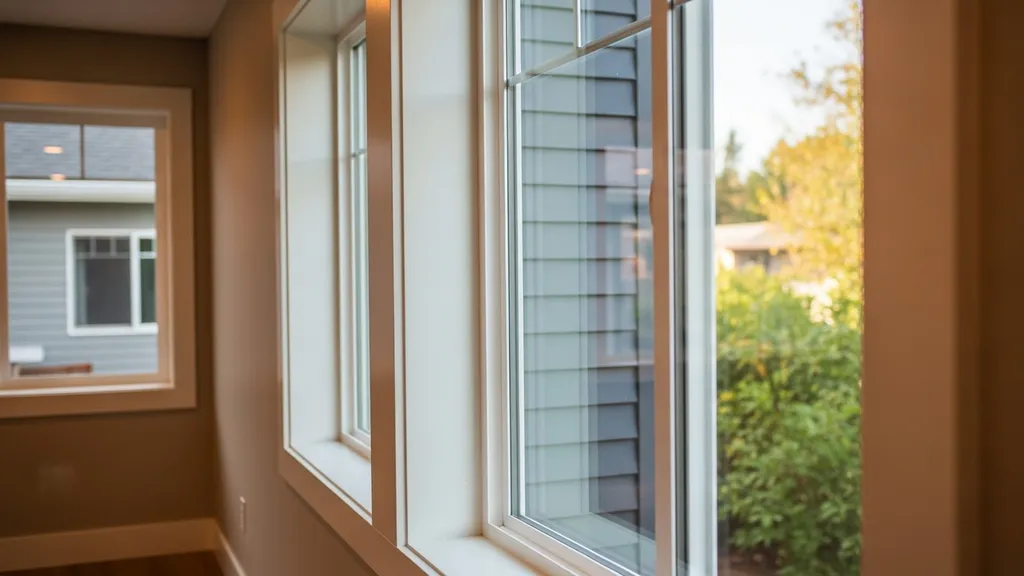
A practical guide for DIY builders on whether triple pane windows deliver real energy, comfort, and long-term savings versus their extra cost.
Triple Pane Windows: Are They Worth the Cost?
Triple pane windows are glass units with three panes separated by two sealed cavities; they promise better insulation, less noise, and warmer interior surfaces. For DIY builders weighing higher up-front costs against long-term savings, the key question is whether triple pane windows deliver measurable energy, comfort, and lifecycle value for your project. This article explains how triple glazing works, the thermal numbers to compare, realistic cost ranges for new builds and retrofits, payback math for different climates, and practical retrofit and installation tips tailored to budget-conscious DIY eco homebuilders.
TL;DR:
- Triple pane windows can cut window heat loss 20–50% versus typical double glazing; in cold climates payback under 10 years is possible with high window area and expensive heating fuels.
- Upgrade choices like low-e coatings and argon fills on double glazing deliver much of the comfort benefit for a lower cost; prioritize air sealing and insulation first.
- For new Passive House or off-grid cold builds, choose triple pane; for mild-climate retrofits, consider selective replacement or high-performance double glazing.
Related guides: Structural insulated panels sips guide, How to connect solar panels to a hybrid inverter, Top 12 energy efficient windows for canadian climate, Off grid refrigeration propane vs solar options, Solar cost calculators for DIY projects, and Solar power costs by house size ultimate guide.
Quick Verdict: Are triple pane windows worth the cost for DIY eco homes?
The short answer: sometimes. Triple pane windows are worth the extra cost in cold, heating-dominated climates, in low-energy new builds (Passive House or near-Passivhaus), and for off-grid homes where every kWh counts. They also deliver meaningful comfort and noise improvements that many homeowners value. Industry groups report better sound performance and comfort with triple glazing; for example, the NAHB overview highlights thicker glazing’s sound benefits for new homes (https://www.nahb.org/nahb-community/councils/20-clubs/pages/resources/20-clubs-sponsors/triple-pane-windows-understanding-the-benefits).
If the simple payback is under roughly 10 years — based on your fuel price, window area, and baseline U-values — the purchase is a strong economic choice. If payback stretches beyond 15–20 years, or your climate is cooling-dominated with low heating costs, alternatives such as double glazing with low-e coatings or targeted air-sealing often make more sense.
Standards to watch when choosing units: NFRC ratings for U-value and SHGC, Energy Star tiers by climate zone, and Passive House component requirements for certified projects.
How triple pane windows work — the tech behind the cost
Triple glazing adds a third pane and a second sealed cavity to the standard insulated glass unit (IGU). The extra layers reduce conduction and convection through the glazing stack.
Layers, gases, and spacers: what changes in triple glazing
- Three glass panes: Two cavities slow heat transfer and raise interior glass surface temperature.
- Gas fills: Argon and krypton are common. Krypton has a lower thermal conductivity than argon, but it's pricier. Manufacturers may use krypton in the thinner cavity to improve performance without a big cost increase.
- Warm-edge spacers: These reduce conductive heat loss around the glass edge and lower condensation risk.
- Low-e coatings: Selective emissivity coatings reflect long-wave infrared heat back into the room while allowing visible light. Multiple low-e layers can be used in triples.
- Insulated frames: Frame choice (wood-clad, fiberglass, thermally broken aluminum, or vinyl) affects whole-window performance as much as the IGU.
Thermal metrics explained: U-value, SHGC, and R-value
- U-value (U-factor): Measures heat transfer; lower is better. Typical double-glazed high-performance windows: ~0.30–0.45 BTU/(ft2·°F·hr). Typical triple-glazed units: ~0.15–0.25 (in the same units). NFRC-certified U-values are the industry standard.
- SHGC (solar heat gain coefficient): Fraction of solar radiation admitted. Higher SHGC helps in cold climates for south-facing windows; lower SHGC helps in hot climates.
- R-value: The inverse of U-value; useful when comparing to wall and roof insulation. See our guide to R-value basics for how window R compares to wall and roof assemblies.
Visual analogy: think of a triple pane as adding an extra thermal blanket and a vacuum pocket between room and outside, plus reflective film that bounces heat back into the room.
Triple glazing trades off weight and thickness. Expect heavier units that require stronger frames and careful handling during installation. Frame thermal breaks and proper installation matter — a high-performance IGU on a poorly insulated, leaky frame gives limited benefit.
For a deeper performance primer, see the Efficient Windows Collaborative summary on the benefits of triple-pane glazing (https://efficientwindows.org/benefits-of-triple-pane-windows/).
Upfront cost breakdown: materials, glazing upgrades, and installation
Up-front cost varies widely by window size, frame type, gas fill, coatings, and whether the job is a new build or a retrofit.
Typical price ranges: new builds vs retrofits
- Per-window estimates (typical):
- Basic double-glazed window (site-built frame): $200–$600 installed
- High-performance double (low-e + argon): $400–$900 installed
- Triple-glazed standard unit (vinyl frame): $700–$1,300 installed
- Triple-glazed premium (wood-clad or fiberglass): $1,200–$2,500+ installed
- Per-square-foot: Basic double: $30–$60/ft2; triple: $60–$150/ft2 depending on frame and options.
- Retrofit complexity: Sash replacement (in-sash IGU swap) can be cheaper ($200–$700 per window) but doesn’t always solve frame or air-leak issues. Full-frame replacement adds $150–$400 per window in labor/finish work.
Research from PNNL and building-sector studies shows triple-pane units can cut envelope heat loss but also come with higher material and transport cost (https://www.pnnl.gov/news-media/how-triple-pane-windows-stop-energy-and-money-flying-out-window).
Labor, framing adjustments, and structural considerations
- Labor: Skilled installation rates vary $50–$120/hour regionally. Retrofitting full frames is 2–4x more labor-intensive than sash swaps.
- Framing adjustments: Heavier IGUs may require stronger jambs, larger openings, or reinforced sills. Check manufacturer weight specs; a large triple pane sash can add 20–50% more weight versus a double.
- Air-sealing and flashing: Proper flashing, sill pans, and air-barrier tie-ins add time but are mandatory for performance. Expect additional cost for flashing systems and membranes.
- Shipping and handling: Heavier units cost more to ship and may require white-glove delivery.
- Warranty and certification: Look for NFRC ratings and manufacturer warranties. Ask suppliers for NFRC label sheets and U-value documentation.
Get local quotes and compare NFRC-certified products. For new builds, bundling windows with the glazing manufacturer or builder can reduce per-window costs. For retrofits, weigh the price of a high-performance double against full triple replacement.
Energy savings and payback math: how to estimate returns
Energy savings depend on climate, window area, orientation, and baseline performance. Windows typically represent a small share of envelope area but a larger share of heat loss.
Climate matters: savings in cold, mixed, and warm climates
- Cold climates (heating-dominated): Triple-pane can reduce whole-house annual heating energy by roughly 10–20% when switching from average double glazing, depending on window-to-wall ratio. Payback improves with higher heating fuel prices (propane, electric resistance).
- Mixed climates: Savings are moderate. Triple glazing helps winter performance but may reduce beneficial solar gains if SHGC is too low—careful SHGC selection by orientation is key.
- Warm climates (cooling-dominated): Triple glazing rarely pays back on energy alone; focus on low SHGC, shading, and frame thermal breaks. In these zones, triple glazing is usually chosen for comfort or noise rather than energy savings.
The U.S. Department of Energy discusses how triple-pane windows improve next-gen heating and cooling systems and their potential energy benefits (https://www.energy.gov/cmei/buildings/articles/bto-seeks-increase-adoption-energy-saving-triple-pane-windows).
Example payback calculations and simple rules of thumb
Example 1 — Cold-Climate Retrofit:
- House: 2,000 ft2, high window area (18% glazing), existing double U = 0.40, triple U = 0.18
- Heating load reduction estimate: 12% annual heating energy
- Annual heating bill: $2,400; annual savings ≈ $288
- Incremental cost (replace all windows): $12,000
- Simple payback: $12,000 / $288 ≈ 41 years — not attractive unless paired with other upgrades or very high energy prices.
Example 2 — New Passive-ish Build / Off-grid:
- Small off-grid cabin, window-heavy south glazing, heating fuel = electric (high $/kWh)
- Annual heating cost high; incremental window cost $6,000; annual savings $800
- Payback: 7.5 years — attractive for off-grid systems where reduced load downsizes PV and batteries.
Rules of thumb:
- If incremental cost per window yields payback under 10 years given local fuel cost, buy triple.
- If replacing windows only, prioritize north-facing and wind-exposed units where comfort and condensation are worse.
- Inputs needed: total glazing area, current U-values, local heating cost ($/kWh or $/therm), and estimated heating energy consumption.
Net present value calculations can refine decisions for long-term projects; however, many DIYers find the simple payback and comfort benefits most persuasive.
Comfort, condensation resistance, and sound: non-energy wins
Triple glazing boosts interior surface temperatures, reduces drafts and radiative cold spots, and improves acoustic damping — benefits that often justify the upgrade beyond pure energy savings.
Improved thermal comfort and fewer cold spots
Because the interior glass surface runs warmer, occupants feel fewer chilly radiative drafts near windows. That matters for bedrooms and living rooms where comfort affects thermostat settings. For tight, well-insulated homes, warmer window surfaces reduce the need to over-heat adjacent zones.
Condensation resistance and indoor air quality implications
Triple-pane units with warm-edge spacers and low-e coatings raise the dew-point threshold for interior condensation. The NEEA white paper on thin triple-pane windows discusses how better glazing reduces the fraction of envelope heat loss attributed to windows and helps lower condensation risk in cold climates (https://neea.org/wp-content/uploads/2025/03/Thin-Triple-Pane-Windows-A-Market-Transformation-Strategy-for-Affordable-R5-Windows.pdf).
Reduced condensation can lower mold risk where humidity is high. But remember: windows don’t solve high indoor humidity; ventilation and dehumidification strategies are still needed.
Noise reduction: what to realistically expect
Triple glazing typically improves airborne sound insulation over double glazing, especially when pane thicknesses differ or cavities vary. NAHB and manufacturer tests show noticeable reduction in common urban noises (cars, neighbors). Expect 2–6 dB of additional attenuation compared to similar double-glazed units; perceptible but not a cure-all for very loud environments.
Daylighting and glare trade-offs tie to SHGC and coating choices. Consider daylighting strategies like light shelves to maximize useful winter solar gain while controlling glare.
Comparing triple-pane vs double-pane (and other window upgrades)
| Option | Typical U-value (BTU/ft2·°F·hr) | Thickness/weight | Cost multiplier vs basic double | Pros / Cons |
|---|---|---|---|---|
| Basic double-glazed | 0.30–0.45 | Standard weight | 1× | Lower cost, common; poorer comfort and condensation resistance |
| Double + low-e + argon | 0.22–0.35 | Moderate | 1.3–1.8× | Good cost-effectiveness; improves comfort and reduces solar heat loss |
| Triple standard (argon) | 0.16–0.26 | Heavier | 2.0–3.0× | Better insulation and comfort; heavier, pricier |
| Triple + krypton + multi low-e | 0.12–0.20 | Heaviest | 2.5–4.0× | Top thermal performance; highest cost and weight |
When Double-pane Is Enough:
- If your climate is mixed or cooling-dominated and heating bills are modest, a low-e double with argon often gives most energy and comfort benefits per dollar.
- If existing frames are leaky or single-pane, replacing frames and air-sealing can deliver more benefit than swapping glazing alone.
When to Choose Triple-pane:
- New builds targeting Passive House or R-5 window targets.
- Off-grid or electric-heated homes with high $/kWh.
- Projects where occupant comfort or noise reduction is a priority and budget allows.
Other options:
- Dynamic glazing (electrochromic) reduces glare and solar gain but is expensive and usually unnecessary for most DIY projects.
- Frame upgrades and professional installation often yield higher ROI than only changing IGUs.
When triple pane windows make sense for DIY eco builders
Pick triple glazing when the project conditions amplify its benefits.
- New builds and Passive House projects: For certified Passive House components and ultra-low-energy homes, triple-pane windows are standard. They help meet rigorous U-value and PHI passive requirements for heating load limits.
- Cold-climate and off-grid homes: Homes in IECC cold and very cold zones or off-grid cabins with expensive on-site generation get the biggest energy return.
- Selective retrofits: Replace north-facing or wind-exposed windows first where comfort and condensation are worst.
Decision checklist:
- Climate zone (cold vs mixed vs hot)
- Heating fuel price and type
- Window-to-wall ratio
- Current window U-values and SHGC
- Airtightness target and planned envelope upgrades
- Project budget and timeline
Consider how wall insulation choices affect window value. For guidance on insulation choices in cold climates, review the article on polyiso in cold climates. Also plan window placement by orientation; see our guide to passive solar window placement to maximize seasonal gains and reduce payback time.
Installation and retrofit considerations for DIYers (video walkthrough)
Before ordering units, measure rough openings precisely, order NFRC-rated units, and plan how the window flashing and air barrier will tie into the wall assembly.
This video compares the options to help you decide:
Choosing frames, flashing, and air-sealing details
- Frame choice: Fiberglass and wood-clad frames often balance thermal performance and durability. Thermally-broken aluminum needs careful specification.
- Flashing: Use a continuous sill pan and integrate flashing into the air barrier. Follow best practices in our airtight membrane installation guide.
- Air sealing: Tie window frame to the continuous air barrier with a compatible tape or membrane to prevent bypass air. See our air sealing guide for step-by-step methods.
Handling heavier units and structural anchoring
- Two-person lifts are required for most large triple units. Use suction cups for large panes.
- Anchors and fasteners: Use manufacturer-specified screws and spacing to avoid frame distortion. Plan for stronger jamb blocking on larger openings.
- Insulation around the frame: Use low-expansion foam or a backer rod plus sealant to insulate gaps. Avoid overfilling with high-expansion foam that can bow frames.
- Permits and code: Check local codes for egress and tempered glass requirements. Some jurisdictions require tempered glass in specific locations.
When to hire a pro: complex full-frame retrofits, heritage windows, or when structural modifications are needed. For simpler sash swaps and new-build installs with competent DIY skills, the project is manageable with the right tools and helpers.
Cost-saving strategies: get triple-pane performance for less
Triple-glazed performance can be approximated or partially achieved with less cost by combining targeted upgrades.
Upgrade coatings and gas fills on double glazing
- Low-e coatings + argon fill on double glazing often capture 60–80% of the energy and comfort benefit of a full triple at a fraction of the cost.
- Staggered pane thicknesses in double units can help with sound attenuation.
Prioritize air sealing, insulation, and shading first
- Improving airtightness and wall/roof insulation usually yields larger whole-house savings than glazing swaps.
- Add exterior shading or interior blinds for summer control rather than low SHGC windows that reduce winter solar gain.
Buy smart: window sizing, frame choices, and bulk discounts
- Size windows for function: Larger fixed glazing can be cheaper per square foot than many operable sash units.
- Frame selection: Fiberglass or wood-clad frames often give better lifecycle value than premium aluminum.
- Bulk buying and timing: Order multiple windows at once and shop for off-season discounts.
Key-points checklist — top cost-savers
- Start with air sealing: Fix drafts and weatherstripping before glazing upgrades.
- Choose low-e + argon on doubles: Best mid-cost performance boost.
- Replace worst windows first: North-facing and wind-exposed are priority candidates.
- Use high-performance frames instead of premium IGUs when budget-limited: Frame losses can dominate small windows.
- Seek rebates and incentives: Check local utility programs and ENERGY STAR rebates for windows.
- Ask for bundled pricing: Manufacturers often give discounts on full orders; compare NFRC-rated quotes.
For sustainable frame and recycled material options that reduce embodied carbon and sometimes cost, see our guide to sustainable material options.
The Bottom Line: a practical recommendation for DIY eco homebuilders
Triple pane windows are a worthwhile investment for new Passive House builds, cold-climate off-grid homes, and projects where comfort and noise reduction are priorities; they pay back fastest when heating costs are high and window area is large. For mild-climate retrofits, prioritizing air sealing, insulation, and high-performance double glazing with low-e coatings usually gives better value. Assess your climate, fuel costs, current window performance, and get NFRC-rated quotes to decide.
Frequently Asked Questions
How much warmer will my home feel with triple-pane windows?
Triple-pane windows raise interior glass surface temperature compared with double glazing, which reduces radiative cold spots and makes rooms feel warmer at the same thermostat setpoint. Expect a noticeable comfort improvement in winter—often enough to lower localized heating near windows or allow a 1–2°F thermostat setback in tight, well-insulated homes.
Do triple pane windows reduce condensation?
Yes. Triple-pane units with warm-edge spacers and proper low-e coatings raise the interior surface temperature and reduce the frequency of condensation on interior glass in cold climates. However, controlling indoor humidity with ventilation or dehumidification is still required to prevent mold and long-term moisture problems.
Are triple-pane windows worth it in mild climates?
In mild or cooling-dominated climates, triple glazing rarely pays back on energy savings alone. A high-performance double-glazed unit with a correct SHGC for orientation and good shading often provides better value. Consider triple glazing only for noise reduction or specific comfort needs.
Can I retrofit existing frames with triple glazing?
Sometimes. Sash replacement or inserting a slimmer triple IGU into an existing frame is possible if frame depth and structural strength permit. Full-frame replacement is more common when frames are old, damaged, or poorly insulated. Consult manufacturer specifications and get measurements to confirm compatibility before ordering.
What maintenance do triple-pane windows need?
Maintenance is similar to double-glazed windows: keep drainage weep holes clear, maintain weatherstripping, and inspect seals for fogging. NFRC-rated units typically come with warranties; watch for seal failure (fogging) signaling warranty service. Follow manufacturer guidance for finishes on wood-clad frames and periodic hardware lubrication.