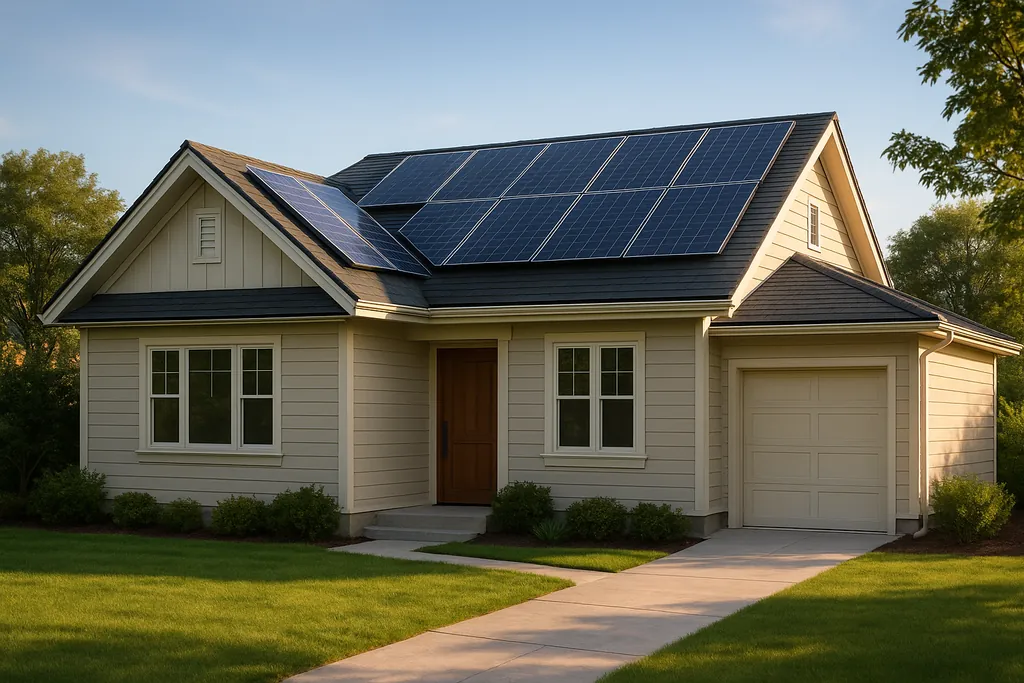
Explore the costs of solar power based on house size, key factors influencing installation, and potential savings over 25 years.
Solar Power Costs by House Size: Ultimate Guide
Want to know how much solar power costs for your home? Here's the quick answer:
- Small Homes (1,000–2,000 sq ft): $14,000–$24,000 before incentives; save $30,000–$40,000 over 25 years.
- Mid-Size Homes (2,000–3,000 sq ft): $23,000–$36,000 before incentives; save $50,000–$65,000 over 25 years.
- Large Homes (3,000+ sq ft): $30,000–$43,000 before incentives; save $70,000–$90,000 over 25 years.
Key factors that affect costs:
- Location: Sunnier areas need fewer panels.
- Roof Design: Complex roofs increase installation costs.
- Energy Use: Higher usage = larger system size.
- Federal Tax Credit: Reduces costs by 30%.
Quick Comparison Table:
| House Size (sq ft) | System Size (kW) | Panels Needed | Cost After Incentives | 25-Year Savings |
|---|---|---|---|---|
| 1,000–1,500 | 4–6 | 10–15 | $9,806–$15,270 | $35,000–$45,000 |
| 2,000–2,500 | 7–9 | 18–23 | $15,270–$20,125 | $50,000–$65,000 |
| 3,000+ | 10–12 | 25+ | $19,612+ | $70,000–$90,000 |
Pro Tip: DIY installation can save up to 30% on labor costs. For example, installing a 6 kW system yourself could save $3,540. Always factor in permits, maintenance, and potential battery storage if you want backup power or off-grid options.
Keep reading to learn how to size your system, reduce costs, and maximize long-term savings.
How Many Solar Panels Do I Need? How to Calculate Your Cost
Cost Analysis by House Size
The size of a house plays a major role in determining the required system capacity and the overall cost of installation. Here's a closer look at how these factors vary by house size.
Small Houses: 1,000–2,000 sq ft
For smaller homes, typically ranging between 1,000 and 2,000 square feet, a solar system with a capacity of 5–8 kW is usually sufficient. These systems come with a price tag of about $14,000 to $24,000 before any incentives. For example, a 1,500 sq ft home equipped with a 6 kW system would cost approximately $21,816 upfront. However, after applying a 30% federal tax credit, the cost drops to around $15,270. Over a 25-year period, homeowners can expect savings of $30,000 to $40,000 on energy expenses.
Mid-Size Houses: 2,000–3,000 sq ft
Mid-size homes, which fall within the 2,000 to 3,000 sq ft range, require larger systems, typically 8–12 kW. These systems cost between $23,000 and $36,000 before incentives. After applying the federal tax credit, the average cost for a 2,500 sq ft home comes out to about $20,125. Homeowners can also explore energy-efficient upgrades to reduce the required system size, which can help lower initial costs. On average, the cost per square foot of living space, after incentives, ranges from $6 to $12.
Large Houses: 3,000+ sq ft
For homes larger than 3,000 square feet, the need for higher capacity systems and the complexity of installations drive costs higher. These homes typically require systems in the 12–16 kW range, with pre-incentive costs ranging from $30,000 to $43,000. Additional factors, such as complex roof designs, multiple inverters, and optional battery storage (which can add $10,000 to $15,000), further contribute to the overall expense. Despite the higher upfront costs, the payback period is generally within 7–10 years.
What Affects Solar Power Costs
When it comes to solar installation costs, there's more at play than just the size of your home. Several other factors can significantly impact the final price, and understanding these can help homeowners plan their budgets more effectively.
Roof Design and Accessibility
The design and material of your roof play a big role in determining installation costs. For instance, roofs with complex layouts - like those with multiple angles or dormers - can increase labor costs by 10–15% due to the added time and the need for extra mounting hardware. The type of roofing material also matters:
- Asphalt shingles: Typically the most cost-effective option.
- Tile or slate: Can increase costs by 15–25%.
- Metal: Requires specialized mounting equipment, which adds to the expense.
Steep roofs also demand additional safety precautions, which can tack on an extra $500–1,000. If your home is older, you might need structural reinforcements, costing anywhere from $800–2,000. Additionally, partial shading on your roof can reduce the system's output by 25–35%, as even a small amount of shade can affect connected panels.
Regional factors also come into play, influencing installation costs further.
Location and Regional Price Variations
Where you live can significantly impact the cost of going solar. Regional differences in labor rates, permitting fees, and utility requirements all contribute to the price variation:
| Factor | Range | Impact |
|---|---|---|
| Labor Rates | $0.50–0.70 more per watt in CA/MA vs. TX/AZ | Higher costs in some states due to wages |
| Permit Fees | $200–1,000+ | Varies by local jurisdiction |
| Utility Interconnection | $500–1,500 | Depends on the service area |
| State Incentives | $0.20–0.50 per watt in rebates | Incentives vary widely by state |
Mature solar markets, like California, often benefit from lower costs - about 10–15% less - thanks to increased competition. Climate also plays a role in system sizing. For example, northern states typically require larger systems (7–9 kW) compared to southern states (5–7 kW) to produce the same amount of energy.
Battery Systems and Off-Grid Solutions
If you're considering energy storage or going completely off-grid, these options can significantly increase your investment. Battery systems, for instance, offer backup power and energy independence but come with added costs:
- Lithium-ion batteries: $800–1,200 per kWh
- Installation costs: $1,500–3,000
- Total system cost: $7,000–18,000
For those looking to go off-grid, the expenses rise further. Off-grid systems typically require:
- Battery capacity (30–50 kWh): $20,000–40,000
- Larger solar arrays (20–50% more): $5,000–15,000
- Backup generators: $3,000–8,000
- Off-grid inverters and controllers: $2,000–5,000
Altogether, off-grid systems can cost $30,000–60,000 more than grid-tied systems. Because of this, most homeowners stick with grid-tied setups unless connecting to the utility grid is impractically expensive.
DIY Solar Installation Guide
Building on our earlier cost analysis, let's explore how taking a DIY approach can trim expenses even further. By cutting out labor fees, you can reduce installation costs by 10-30%. Below, we'll dive into potential savings, the permits you'll need, and the essential tools for a successful project.
Money Saved Through DIY
For a standard 6kW solar system, DIY installation can save you around $3,540. Here's a closer look at the potential savings:
| System Size | Professional Labor Cost | DIY Savings Range | Installation Time |
|---|---|---|---|
| Small (4kW) | $2,360 | $1,888–$2,360 | 2–3 days |
| Medium (6kW) | $3,540 | $2,832–$3,540 | 3–4 days |
| Large (10kW) | $5,900 | $4,720–$5,900 | 4–7 days |
These savings make a compelling case for rolling up your sleeves. Next up: securing the permits and meeting local regulations.
Required Permits and Codes
Before you start, you'll need to get the proper permits and ensure compliance with local codes. Here's what to expect:
- Electrical Permits
Most areas require an electrical permit, which typically costs $200–$500. Approval times vary, ranging from 2 to 8 weeks depending on your location.
- Building Permits
Structural documentation is crucial to confirm your roof can handle the added weight of the panels. Requirements often include:
- Roof load calculations
- System design plans
- Equipment specifications
- Site plans showing panel layout
- Utility Agreements
If you're connecting to the grid, your utility company will have specific requirements, such as:
- An application fee (usually $100–$300)
- System design review
- Installation of a bi-directional meter
- Coordination for a final inspection
Tools Needed for Installation
The right tools and safety gear are essential for a smooth and safe DIY solar installation. Here's a breakdown of what you'll need:
| Category | Essential Items | Cost Range |
|---|---|---|
| Electrical Tools | MC4 crimping tool, digital multimeter, wire strippers | $70–$200 |
| Mounting Equipment | Torque wrench, drill, angle finder | $160–$350 |
| Safety Gear | Fall protection harness, roof anchors, gloves | $180–$450 |
| Specialized Items | Solar panel rail cutter, conduit bender | $140–$300 |
To simplify the process, consider purchasing a complete DIY solar kit. Always have a licensed electrician inspect your work before connecting to the grid. Document each step thoroughly for permits, and when working on the roof, make safety a priority by teaming up with a partner.
For larger homes (over 3,000 square feet) requiring 23 or more panels, a hybrid approach might be the way to go. You can handle the mechanical installation yourself while hiring professionals for the more complex electrical tasks. DIY solar installation requires careful planning, attention to detail, and strict adherence to safety and local codes, but the savings can make it well worth the effort.
Solar Power Financial Returns
Expanding on the earlier cost analysis, this section dives into the financial benefits of solar power over 25 years. Solar energy offers substantial long-term savings, and here we break down what homeowners can expect based on house size, while highlighting key factors that influence these returns.
25-Year Savings Calculator
The total savings from a solar system depend largely on your home's size and energy consumption. Here's a breakdown of 25-year savings, factoring in the federal tax credit:
| House Size | System Size | Initial Cost | 25-Year Savings |
|---|---|---|---|
| 1,000-1,500 sq ft | 4-6 kW | $9,806 | $35,000-$45,000 |
| 2,000-2,500 sq ft | 7-9 kW | $15,270 | $50,000-$65,000 |
| 3,000+ sq ft | 10-12 kW | $19,612 | $70,000-$90,000 |
To estimate your savings, multiply your annual electricity costs by 25, adjusting for a 2–3% yearly increase in rates, maintenance expenses, and a 0.5–0.8% annual efficiency loss. These savings can grow even more with net metering programs and additional incentives.
Net Metering and Incentives
The federal Investment Tax Credit (ITC) currently offers a 30% reduction in system costs through 2025. For instance, a $21,816 system would drop to approximately $15,270 after applying the tax credit.
Net metering policies are another major factor that can significantly shorten the payback period:
| Net Metering Type | Credit Rate | Impact on Returns |
|---|---|---|
| Full Retail | 100% of retail rate | Highest savings |
| Net Billing | 30-70% of retail | Moderate savings |
| Time-of-Use | Varies by time | Variable returns |
In addition to these incentives, regular system maintenance is vital for ensuring maximum efficiency and returns over the solar system's lifespan.
Maintenance and System Life
Annual maintenance costs typically range between $150 and $300. Here's a breakdown of common maintenance expenses:
| Maintenance Item | Typical Cost | Frequency |
|---|---|---|
| Panel Cleaning | $100-$200 | Annually |
| System Inspection | $150 | Every 1-2 years |
| Inverter Replacement | $1,000-$2,500 | Once (10-15 years) |
Solar panels also experience a slight efficiency loss over time, typically 0.5–0.8% per year. However, most manufacturers guarantee that panels will retain at least 80% of their original capacity after 25 years. For premium panels, which degrade more slowly (0.3–0.5% annually), lifetime returns can be 3–7% higher, despite their higher upfront cost.
Rising electricity rates - averaging a 2–3% annual increase - further enhance savings. For instance, a system saving $1,500 in its first year could generate around $48,000 in total savings over 25 years with a 2% annual rate increase. In comparison, savings would be closer to $37,500 if rates remained flat.
Conclusion: Solar Costs Summary
Choosing the Right System Size
To size your solar system effectively, start by evaluating your home's energy consumption, available roof space, and local solar potential. These factors will help you determine the most suitable system for your needs. Below is a quick reference table to guide you based on typical house sizes:
| House Size | Typical System Size (kW) | Recommended Panel Count |
|---|---|---|
| 1,000–1,500 sq ft | 3–4 kW | 8–10 panels |
| 2,000–2,500 sq ft | 6–8 kW | 15–18 panels |
| 3,000+ sq ft | 9–10 kW | 23–25 panels |
Keep in mind that accurate system sizing benefits from a professional evaluation. It's also wise to plan for future energy needs, such as an electric vehicle or additional appliances, by slightly oversizing your system.
Getting the Best Return
The federal Investment Tax Credit, currently set at 30% through 2032, offers a great incentive to go solar now. To maximize your return on investment, consider the following tips:
- Account for seasonal production changes: Energy output can vary significantly, with northern regions seeing 60–70% differences between summer and winter months.
- Strategically time your purchase: Solar equipment prices often drop during the winter.
- Plan for growth: Sizing your system about 10% larger can accommodate potential increases in energy usage.
- Stay on top of maintenance: Regular upkeep can boost your system's lifetime energy output by 5–10%.
For the best savings, consider combining a cash purchase or low-interest loan with DIY installation if it's an option. This approach can lower your overall costs by 10–30%. Additionally, allocating $300–$700 annually for maintenance can ensure your system operates efficiently and delivers the most energy over its lifespan.
FAQs
How can I figure out the right size solar system for my home's energy needs and roof space?
To figure out the right size solar system for your home, start by reviewing your average energy consumption. You can typically find this on your utility bill, listed in kilowatt-hours (kWh) per month. Once you have that number, consider your roof's size, direction, and how much sunlight it gets daily. A professional solar installer can evaluate these factors and determine how many panels your roof can accommodate, as well as their efficiency based on your location.
For a quick estimate, divide your monthly energy usage by the average daily sunlight hours in your area and the efficiency of the panels. This will give you an approximate system size in kilowatts (kW). For instance, if your household uses 1,000 kWh per month and your area gets about 5 sunlight hours daily, a system in the range of 6-7 kW might work well. However, always consult a professional to get accurate calculations tailored to your specific needs and goals.
How much can I save and how long will it take to break even if I install a solar power system myself?
The savings and payback period for a DIY solar power system can vary based on a few key factors, such as the size of your home, how much energy you use, local electricity rates, and the cost of materials. In the U.S., a professionally installed solar system typically takes 6 to 10 years to pay for itself through [energy savings](/blog/how-to-install-door-weatherstripping-for-energy-savings). Going the DIY route can cut down upfront costs significantly, which might help you recover your investment faster.
That said, DIY installations come with their own challenges. You'll need to account for the extra time, effort, and expertise required. Plus, it's crucial to research local permits, incentives, and rebates in your area, as these can reduce costs even further and influence how quickly you see a return on your investment. Careful planning and a well-thought-out budget are essential to make the process smoother and maximize your savings.
How do state incentives and regional factors affect the cost and savings of installing solar panels?
State incentives and local conditions can have a big impact on both the cost of installing solar panels and the savings they generate. Many state-level programs help reduce upfront costs and boost long-term savings through tax credits, rebates, and net metering. For instance, some states provide tax credits that cover a portion of installation expenses, while others offer cash rebates or rewards based on system performance.
Regional factors like sunlight availability and electricity prices are equally important. If you live in a sunny area with high electricity rates, your potential savings over time could be much higher. On the other hand, local labor costs and permitting fees can also vary, which might influence the overall installation price. Knowing how these factors apply to your location can help you get the most financial benefit from switching to solar.