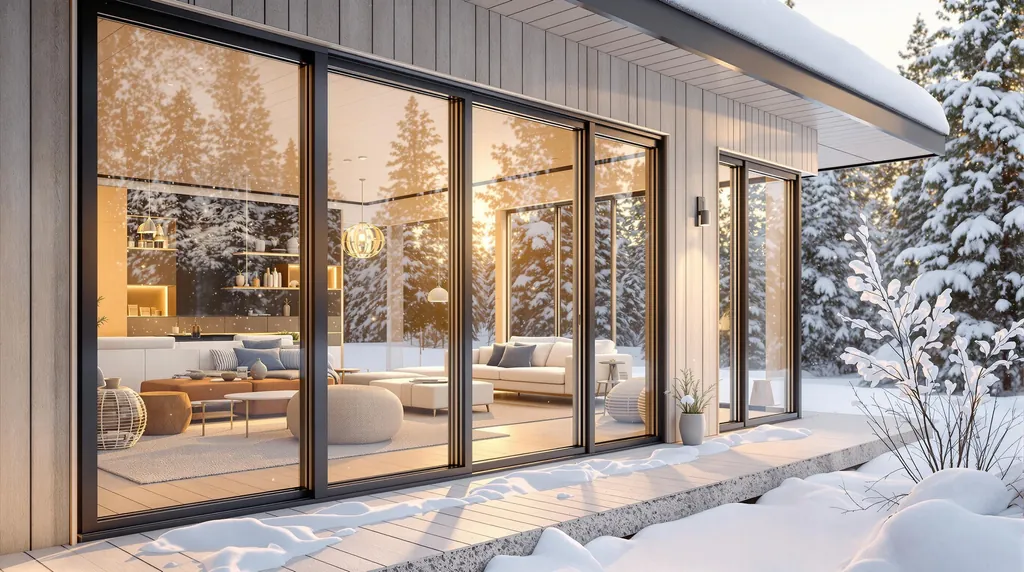
Explore the top energy-efficient windows for Canada's cold climate, designed to reduce heat loss and lower utility bills for better home comfort.
Use the Window U-Factor Comparison to compare specific U-factor / SHGC numbers from any of these windows side-by-side and see annual cost and payback vs a code-minimum baseline.
Inefficient windows can account for up to 35% of a home's heat loss, leading to higher heating bills and less comfort in Canada's cold climate. Upgrading to energy-efficient windows can reduce heat loss, improve comfort, and save you up to 12% on yearly utility bills. Here's a quick look at the best options:
Key Features to Look For:
- U-Factor: Lower values (e.g., 0.18 Btu/h·ft²·°F or less) mean better insulation.
- Energy Rating (ER): Higher ratings (40+) ensure top energy performance.
- Triple Glazing: Offers up to 50% better insulation than double-pane options.
- Low-E Coatings: Reduces heat loss by up to 50%.
- Gas Fills (Argon/Krypton): Improves insulation between glass panes.
Top Window Types:
- Fiberglass Triple-Glazed: Best for insulation and durability.
- Vinyl Double-Pane: Affordable and energy-efficient.
- Hybrid Frame: Combines materials for strength and insulation.
- Low-E Glass: Blocks UV rays and improves heat retention.
- Casement Windows: Provides a tight seal against drafts.
- Tilt and Turn Windows: Dual functionality with excellent energy savings.
- ENERGY STAR Most Efficient: Meets strict 2025 standards for performance.
- Argon-Filled Double-Glazed: Reduces heat loss by ~30%.
- Custom Windows: Tailored for your home's specific needs.
- Triple-Glazed Sliding: Combines insulation with easy operation.
- Picture Windows: Fixed design prevents air leaks.
- Wood-Clad Windows: Natural insulation with durable cladding.
Quick Comparison Table:
| Window Type | Insulation (U-Factor) | Cost Range | Key Benefit |
|---|---|---|---|
| Fiberglass Triple-Glazed | As low as 0.14 | $$ | Superior insulation and durability |
| Vinyl Double-Pane | ~0.30 | $ | Affordable and energy-efficient |
| Hybrid Frame | 0.3–0.5 | $ | Strength and thermal performance |
| Low-E Glass | 0.25–0.31 | $ | Cuts heat loss and UV exposure |
| Casement Windows | ~0.30 | $ | Tight seals, great for cold climates |
| Tilt and Turn | ~0.26 | $$ | Dual function, energy savings |
| ENERGY STAR Most Efficient | ≤0.18 | $$ | Meets top 2025 standards |
| Argon-Filled Double-Glazed | ~0.30 | $ | Reduces heat loss significantly |
| Custom Windows | Varies | $$ | Perfect fit for maximum efficiency |
| Triple-Glazed Sliding | ~0.24 | $$ | Top-tier insulation and operation |
| Picture Windows | ~0.30 | $ | Fixed design prevents drafts |
| Wood-Clad Windows | ~0.30 | $$ | Natural insulation, durable cladding |
Pro Tip: Always prioritize ENERGY STAR-certified windows and hire professional installers to ensure proper sealing and long-term performance.
Understanding Residential Windows in Canada: Types ...
What Makes Windows Work in Cold Weather
Windows play a crucial role in keeping your home warm during harsh winters. To prevent heat loss, they need specific features that enhance their performance.
Insulation Ratings You Should Know The insulation quality of a window is measured using two key metrics:
- U-Factor: This measures how well a window prevents heat loss. A lower U-factor means better insulation. Look for windows with a U-factor of 0.18 Btu/h·ft²·°F or lower.
- Energy Rating (ER): This score reflects the overall energy efficiency of a window. High-performing windows typically have an ER of 40 or more.
Energy-Saving Features in Modern Windows Today's windows are designed with advanced technologies to handle cold weather effectively:
| Feature | Benefit | Impact |
|---|---|---|
| Low-E Coatings | Minimizes heat loss | Up to 50% better insulation |
| Argon Gas Fill | Improves thermal insulation | Enhanced energy efficiency |
| Triple Glazing | Provides top-tier insulation | U-factors as low as 0.14 Btu/h·ft²·°F |
| Insulated Spacers | Reduces edge heat loss | Helps prevent condensation |
_Note: Triple glazing performance has been converted from 0.8 W/m²·K to approximately 0.14 Btu/h·ft²·°F for U.S. readers._
Besides these features, the durability of the window frame and proper sealing are critical for handling extreme weather.
Built to Resist Harsh Weather A strong frame and tight seals are essential to prevent air leaks and protect against moisture damage.
> "ENERGY STAR is the mark of high-efficiency products in Canada. The familiar symbol makes it easy to identify the best energy performers on the market. ENERGY STAR certified products meet strict technical specifications for energy performance – tested and certified." – Natural Resources Canada
Certifications to Look For When choosing windows, check for these certifications:
- Window Wise Certification: Ensures proper installation standards.
Using Window Wise certified installers can help you get the most out of your windows in terms of performance and durability.
1. Fiberglass Triple-Glazed Windows
Fiberglass triple-glazed windows combine tough fiberglass frames with triple-pane glass for excellent insulation and energy efficiency.
Better Frame Performance Cascadia's fiberglass frames outperform aluminum by up to 250% in thermal performance and are made with about 58% recycled materials.
| Feature | Performance Metrics |
|---|---|
| R-Value | Up to 7–8 (compared to 3–3.8 for double-pane) |
| Energy Savings | 2–3% more annually |
| Heat Loss Reduction | 30–40% less heat loss (when R-value increases from 3 to 5) |
| Overall Efficiency | Up to 50% more efficient than double-glazed |
Performance in Action A Georgian Bay homeowner shared their experience after upgrading to these windows:
> "Already feeling the benefits with less radiant cooling with our new triple pane windows." – Bruce Kelly
Cost and Value While fiberglass triple-glazed windows are 10–15% more expensive than double-pane options, they provide better insulation, reduced energy bills, and improved soundproofing.
A Renovation Success Daniel Nahmias took on a home renovation project that included installing over 16 of these windows, some spanning up to 12 feet. Both he and his builder noted significant cost savings compared to aluminum-clad alternatives.
Maintenance Advice Check weather stripping regularly to maintain proper insulation and prevent air leaks.
Fiberglass triple-glazed windows are built to meet high energy efficiency standards, including Energy Star and LEED certifications. Their durability and insulation make them an excellent choice for Canada's challenging weather conditions.
Keep reading to explore other window options designed for extreme climates.
2. Vinyl Double-Pane Windows
Vinyl double-pane windows are a cost-effective, energy-efficient choice, particularly suited for Canadian homes. Their double-pane design creates an airtight seal that helps maintain stable indoor temperatures. When installed correctly, these windows can reduce heat loss by up to 35% compared to single-pane options.
| Feature | Performance Highlights for Vinyl Windows |
|---|---|
| Heat Loss Prevention | Reduces internal heat loss by up to 25% |
| Energy Savings | Cuts annual utility costs by an average of 12% |
| Temperature Range | Performs best above 14°F (-10°C) |
| Maintenance | Requires minimal upkeep |
However, there are some drawbacks to consider. In temperatures below –10°C (14°F), vinyl frames may contract, potentially causing seals to loosen. This can lead to air leaks and increased heating costs.
Modern vinyl double-pane windows often come with added features like foam-filled frames for better insulation, argon gas between the panes to minimize heat transfer, and ENERGY STAR certification for energy efficiency.
Proper installation is essential to prevent air leaks, water damage, and unnecessary energy expenses. It also enhances noise reduction compared to single-pane windows.
These windows offer a great mix of performance and affordability, making them a solid option for homes in moderate climates.
3. Hybrid Frame Windows
Hybrid frame windows combine wood with materials like aluminum, vinyl, or fiberglass to create energy-efficient solutions designed for tough Canadian weather. These frames are engineered to perform well in extreme climates while offering a balance of durability and insulation.
| Material Combination | Key Features |
|---|---|
| Wood + Aluminum | Durable exterior with minimal upkeep |
| Wood + Vinyl | Better insulation at a lower cost |
| Fiberglass + Wood | High strength paired with excellent insulation |
These combinations achieve U-factors between 0.3 and 0.5 Btu/hr·sq. ft·°F, meeting strict energy efficiency standards. Hybrid frames are becoming popular for their ability to blend performance with appealing design.
> "Manufacturers are increasingly turning to hybrid frame designs that use two or more frame materials to produce a complete window system." – Efficient Windows Collaborative by NFRC
> "These windows feature structural assembly, an inclined one-piece sill, weatherstripping, and sealed glass for quality and energy efficiency. With aluminum and wood blending, these windows offered a variety of arrangements and a wide selection of colors for exterior cladding, which reduces maintenance." – Ecohome
Why Choose Hybrid Frames?
Hybrid windows come with several standout benefits:
- Stronger structure for long-term durability
- Better resistance to harsh weather
- Lower upkeep needs compared to single-material frames
- Improved thermal efficiency for energy savings
When combined with features like low-E coatings and triple glazing, hybrid frames take energy performance to the next level. Always look for the NFRC label to confirm specific thermal ratings. Thanks to weatherstripping and sealed glass units, these windows can handle extreme temperatures while offering the cozy appeal of wood interiors and tough, low-maintenance exteriors.
4. Low-E Glass Windows
Low-emissivity (Low‑E) glass windows are designed to improve energy efficiency, especially in colder climates. These windows feature a thin layer of silver on the inside surface of the outer pane, which helps regulate heat transfer effectively.
Performance Specifications
Low‑E glass comes in various options, each offering different performance levels for cold climates:
| Type | U-factor | Solar Heat Gain | Light Transmission | UV Protection |
|---|---|---|---|---|
| LoE 180 | 0.31 | 68% | 79% | 70% |
| LoE 272 | 0.30 | 41% | 72% | 84% |
| LoE 366 | 0.29 | 27% | 65% | 95% |
| LoE 340 | 0.25 | 18% | 39% | 80% |
_LoE stands for Low‑E option._
How Low‑E Glass Works
Low‑E glass reflects radiant heat back toward its source while letting natural light pass through. This coating also blocks UV rays, which can fade interior furnishings, and helps maintain a consistent indoor temperature. By controlling heat transfer, Low‑E glass helps reduce energy usage in your home.
Choosing the Right Low‑E Glass
For cold regions, passive Low‑E coatings are particularly useful. They allow more solar heat to enter during winter while improving insulation by reflecting heat back inside. These coatings are applied to the inner panes of multi-layer window units for better heat retention.
Here are some tips for selecting the right Low‑E glass:
- Climate Needs: Passive Low‑E coatings are ideal for colder areas.
- Light Preferences: If you want more natural light, LoE 180 is a good choice.
- Insulation Requirements: Lower U‑factors mean better insulation.
Regular glass typically has an emissivity of 0.8 or higher, allowing more heat transfer. Low‑E glass reduces this significantly, making it a smart option for energy-efficient homes. This technology not only improves insulation but also works well with other energy-saving window designs, helping homes stay comfortable during harsh winters.
5. Casement Windows
Casement windows are a smart choice for cold climates, thanks to their side-hinged, crank-operated design. This setup creates a tight compression seal that effectively blocks drafts and keeps your home warm.
Energy-Saving Features
These windows are designed with features that improve thermal efficiency. For instance, DraftLOCK technology helps maintain indoor warmth and reduces condensation. Their multi-chamber frame and sash design enhances both insulation and soundproofing. Additionally, triple-sealed, welded frames act as a strong barrier against cold air infiltration.
Performance Benefits
Casement windows can improve a home's energy rating by up to 30% due to their superior sealing system. The crank mechanism ensures the window sash stays tightly pressed against the weatherstripping, providing consistent protection against cold air, rain, and dust.
Advanced Insulation Options
For even better energy efficiency, consider these upgrades:
| Feature | Benefit |
|---|---|
| Optional Foam Insulation | Boosts thermal performance beyond standard levels |
| Low-E Coating | Reduces UV-ray penetration and helps maintain indoor comfort |
| Multi-Chamber Weather Protection | Adds extra layers of defense against heat loss |
> "Our DraftLOCK casement window replacements have the best ratings in energy efficiency, security and durability; made with 100% eco-friendly and recyclable uUPVC material." - Canadian Choice Windows & Doors
Weatherstripping Considerations
High-quality weatherstripping is crucial for casement windows. Most use a V-strip combined with compression-type materials around hinges and locking hardware to ensure an airtight seal. When selecting casement windows, pay close attention to the quality of both the hardware and weatherstripping to maintain energy efficiency over time.
6. Tilt and Turn Windows
Tilt-and-turn windows, a popular European design, are becoming more common in Canada. Their dual functionality and unique operating mechanism make them a practical choice for homes, especially in colder climates where energy efficiency is a priority.
How They Work
The standout feature of tilt-and-turn windows is their dual-action design. In "turn" mode, the window swings inward like a door, allowing full ventilation and easy cleaning. In "tilt" mode, the top of the window tilts inward while the bottom stays secure, offering controlled airflow without compromising security. This design provides flexibility while contributing to their strong energy-saving performance.
Energy Efficiency
These windows can reduce energy costs by up to 40%. Here's how their design helps:
| Feature | Benefit |
|---|---|
| Super Spacer® Technology | Minimizes condensation and boosts thermal efficiency |
| ecoGAIN Low-E Glass | Delivers a 0.26 U-Factor and 0.69 SHGC |
| Multi-Point Locking | Ensures an airtight seal when closed |
| Aluplast IDEAL 8000 System | Designed for passive construction standards |
Security and Noise Reduction
The multi-point locking system enhances security, making it safer for households with children and pets. It also significantly reduces noise, cutting it by up to 45dB.
> "With tilt-and-turn technology from our glazed Windows & Doors, there's virtually no way to enter the home from the window or door. The entire security is ensured, even when open. And when it's open from the top, it's still safe for children and pets."
Installation Tips
For the best results, keep these points in mind during installation:
- Space Requirements: Ensure there's enough room for the window to swing inward.
- Frame Alignment: Proper alignment is crucial for smooth operation.
- Weather Sealing: Check for a complete seal around the frame to maximize energy efficiency.
When installed correctly, tilt-and-turn windows deliver both energy savings and enhanced home security, making them a smart choice for Canadian homeowners.
7. ENERGY STAR Most Efficient Windows
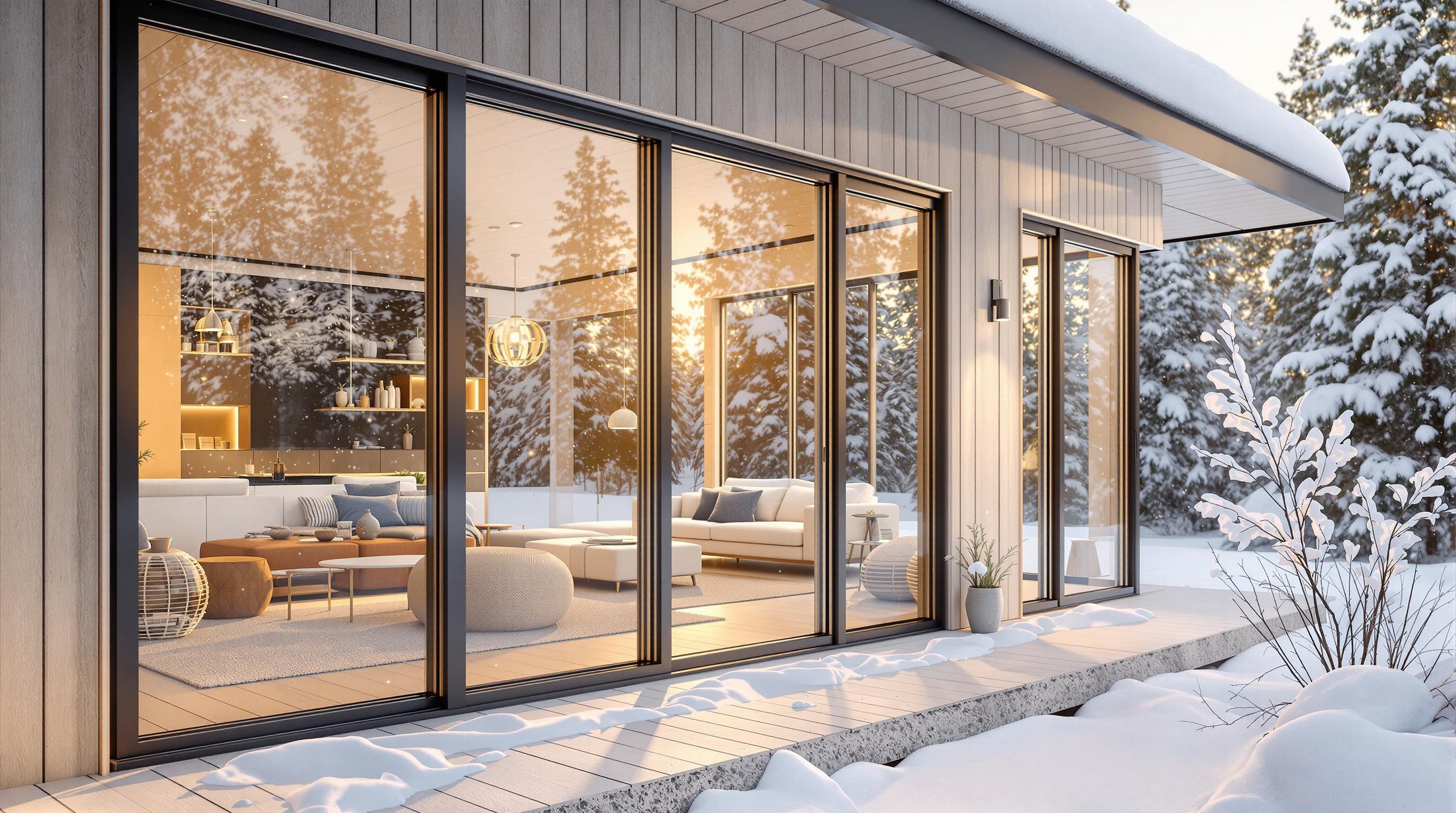
ENERGY STAR Most Efficient windows are designed to deliver top performance, even in challenging Canadian climates. These windows must meet strict criteria, valid through December 31, 2025.
Performance Standards
To earn the ENERGY STAR Most Efficient label, windows need to meet one of the following benchmarks:
- U-factor of 0.18 Btu/h·ft²·°F or lower
- Energy Rating (ER) of 40 or higher
These standards can improve efficiency by up to 55%.
Key Features and Benefits
| Feature | Benefit |
|---|---|
| Enhanced Insulation | Reduces heat loss - windows can contribute up to 25% of a home's energy loss |
| Higher Efficiency | Delivers approximately 20% better energy performance |
| Verified Performance | Manufactured by participants in ENERGY STAR Canada programs |
| Quality Assurance | Meets Version 5 technical specifications for reliability and durability |
These windows reflect the commitment of top manufacturers to energy-saving designs.
Example of a Leading Manufacturer
In 2015, All Weather Windows earned the ENERGY STAR Most Efficient designation for nearly 400 of its window products. This achievement highlights how advanced designs can reduce heating costs and make homes more comfortable.
Proper installation also plays a crucial role. Natural Resources Canada recommends using Window Wise–certified installers to ensure the windows perform as intended and deliver maximum energy savings.
Costs and Benefits
Although professional installation and premium windows may have a higher upfront cost, the long-term advantages include:
- Lower heating and cooling expenses
- Reduced environmental impact
- Greater home comfort
- Increased property value
To ensure compliance with 2025 standards, homeowners can check the certification of their windows in Natural Resources Canada's database of ENERGY STAR–qualified products.
8. Argon-Filled Double-Glazed Windows
Argon-filled double-glazed windows improve thermal insulation in extremely cold conditions by placing argon, a dense and inert gas, between two panes of glass.
Performance Advantages
These windows cut heat loss by roughly 30%, reduce outside noise, and - when combined with a Low-E coating - help block harmful UV rays. Their double-pane construction can also save up to 40% on energy costs.
How They Work
Argon is denser than air, creating a highly effective barrier that minimizes heat transfer between the glass panes. This insulation helps maintain steady indoor temperatures, even in harsh winter climates.
Lifespan and Maintenance Tips
To keep these windows functioning well over time, follow these guidelines:
- Seal Durability: Argon gas can remain effective for up to ten years if the seals are intact.
- Routine Checks: Look for condensation between panes to spot potential seal problems early.
- Professional Installation: Proper installation ensures the seals stay intact and the windows perform as intended.
Cost Factors
While these windows are more expensive upfront compared to standard air-filled options, their superior insulation can lead to notable energy savings over time.
Additional Benefits
Argon-filled windows offer more than just energy efficiency:
- Safe due to their non-toxic and non-flammable nature
- Less condensation and frost buildup on the glass
Learn about more cutting-edge window designs in the next section.
9. Custom Windows
Custom windows are designed to meet the specific energy efficiency needs of Canada's climate. Built to exact measurements, they prevent air leaks, which are a major source of heat loss in homes.
Perfect Fit Technology
A precise fit is key to reducing heat loss. Custom windows address air infiltration around window openings, ensuring a tighter seal.
Performance Features
Custom windows go beyond just fitting well - they also offer a range of performance options tailored to your home:
| Feature | Benefit |
|---|---|
| Orientation-specific glazing | Adjusts solar heat gain for different facades |
| Frame material selection | Can influence window performance by up to 25% |
| Gas fill options | Improves insulation between glass panes |
| Custom coating combinations | Provides targeted UV and heat control |
Climate-Specific Design
The way your home is oriented affects how windows perform:
- North-facing: Focus on high R-value for better insulation.
- East/West-facing: Use low Solar Heat Gain Coefficient (SHGC) to avoid overheating.
- South-facing: Opt for higher SHGC with overhangs to capture winter sunlight.
These adjustments help maximize energy efficiency based on your home's layout.
Temperature Management
Custom windows are built to handle extreme temperature changes. For example, when indoor conditions are kept at 68°F (20°C) with 40% relative humidity, they prevent condensation unless outdoor temperatures drop below 43°F (6°C).
Professional Guidance
> "Windows are essential to our homes, so getting the choice of window right is important." - Ecohome
Experts can guide you on selecting the right frame materials, glazing, and installation techniques to reduce thermal bridging and improve efficiency.
Installation Considerations
Proper installation is critical for ensuring top performance. This includes minimizing thermal bridging, managing water effectively, and maximizing energy efficiency.
Custom windows provide a higher level of energy performance compared to standard options, but they require careful planning and professional installation.
10. Triple-Glazed Sliding Windows
Triple-glazed sliding windows are a great choice for energy efficiency, especially in colder climates. These windows combine three panes of glass with modern sealing technology, ensuring better insulation while maintaining smooth, easy operation.
Insulation Performance
Triple-glazed sliding windows deliver excellent insulation, with R-values ranging from R-6 to R-9. In comparison, double-pane windows typically offer R-values between R-3 and R-5. This improvement leads to:
- A 30–40% reduction in heat loss
- U-values as low as 0.24, compared to 5.6 for single-pane windows
- 50% better efficiency than double-glazed options
Key Features
These windows are designed with advanced materials and technologies, including:
| Feature | Benefit |
|---|---|
| Low-E Glass Coating | Minimizes heat loss while letting in natural light |
| Argon/Krypton Gas Fill | Boosts insulation between glass panes |
| Reinforced Frames | Handles the extra weight of triple-pane glass |
| Multiple Weather Seals | Reduces air leaks for better performance |
These features not only improve energy efficiency but also contribute to overall cost savings over time.
Cost Breakdown
The cost of triple-glazed sliding windows depends on their size:
| Window Size | Price Range |
|---|---|
| Small | $450 – $750 |
| Medium | $600 – $900 |
| Large | $750 – $1,200 |
| Extra-large | $1,050 – $1,500 |
Additional Advantages
Triple-glazed sliding windows offer more than just energy savings. They also provide:
- Better soundproofing and less condensation
- Increased security with the added strength of a third glass pane
- Improved temperature control and comfort throughout the year
Installation Tips
Because these windows are heavier than standard ones, their frames and structural support need to be strong enough to handle the additional weight. Professional installation is highly recommended to ensure proper sealing and maximum efficiency, making the higher upfront cost worthwhile.
11. Picture Windows
Picture windows, also known as fixed windows, are a great choice for energy efficiency. Since they don't open or close, their sealed design prevents drafts and energy loss, helping maintain a stable indoor temperature - especially in colder climates.
Energy Performance Features
Here's how picture windows help improve energy efficiency:
| Feature | Benefit |
|---|---|
| Fixed Frame Design | Prevents air leaks that occur with operable windows |
| Multiple Glazing Options | Double or triple panes improve insulation |
| SuperSpacer Premium Plus | Retains argon gas for better thermal performance |
| Low-E Glass Coating | Cuts heat loss by up to 50% in winter, reduces heat gain in summer |
Insulation Benefits
Modern picture windows are designed to drastically reduce heat loss. Traditional single-pane windows lose 10–20 times more heat than insulated walls. However, double or triple-glazed picture windows can cut heat loss by nearly 50%.
Installation Considerations
Proper installation is key to maximizing the efficiency of picture windows. Here are some critical factors:
| Installation Factor | Importance |
|---|---|
| Frame Sealing | Use perimeter caulking to block air leaks |
| Drainage System | Install flashing and drainage planes to manage water |
| Insulation | Add insulation in the frame cavity for better thermal performance |
Customization Options
Picture windows can be customized to enhance both their look and energy efficiency:
- Choose double, triple, or even quadruple glazing
- Add argon or krypton gas fills for improved insulation
- Pick from various frame materials and colors
- Order custom sizes to fit unique architectural designs
These options make it easy to adapt picture windows to your home's style while boosting energy savings.
> "Picture windows, also known as fixed windows or non-operable windows, differ from traditional windows in that they cannot be opened or closed for ventilation. Instead, they are designed to maximize natural light and provide unobstructed views of the outdoors, making them ideal for capturing scenic vistas and allowing ample sunlight into interior spaces." - EconoShield
Maintenance Requirements
To keep picture windows performing well, regular maintenance is essential:
- Clean the glass often for clear views and maximum light
- Inspect frame seals yearly for wear, especially in winter
- Look for condensation between panes
- Check frame integrity after extreme temperature changes
With windows responsible for up to 35% of a home's heat loss, the insulation and efficiency of picture windows make them a smart pick for homeowners focused on reducing energy costs in cold climates.
12. Wood-Clad Windows
Wood-clad windows combine the insulating qualities of wood with a durable outer cladding, designed to handle Canada's tough energy efficiency demands. Here's a breakdown of what makes these windows stand out in terms of energy performance.
Energy Performance Features
The natural insulation of wood, paired with an exterior cladding, creates a reliable thermal barrier. This helps regulate indoor temperatures and minimizes heat loss.
| Feature | Benefit |
|---|---|
| Wood Interior | Acts as a natural insulator |
| Protective Cladding | Boosts insulation and keeps moisture out |
| Combined Materials | Balances wood's insulating properties with cladding's durability |
| Weather Protection | Prevents moisture infiltration that could reduce performance |
Cladding Options
The type of cladding impacts the window's durability and energy efficiency. Here's how the options compare:
| Cladding Type | Benefits | Things to Consider |
|---|---|---|
| Aluminum | Strong and dent-resistant | Needs thermal breaks to prevent heat loss |
| Vinyl | Budget-friendly with decent insulating properties | May warp in extreme heat |
| Fiberglass | Extremely durable and resistant to weather | Higher upfront cost |
Maintenance and Longevity
Durability and ease of upkeep are key advantages of wood-clad windows. The cladding shields the wood from moisture and temperature fluctuations, reducing the need for frequent maintenance.
> "Clad Windows: Best all-around but most expensive." - Bayview Windows
Weather Protection Features
The exterior cladding plays a vital role in maintaining the window's performance year-round:
- Protects the wood core from moisture damage
- Reduces risks of warping or deterioration
- Ensures structural stability despite temperature swings
- Supports consistent energy efficiency
Performance Considerations
Several factors influence the energy efficiency of wood-clad windows. Keep these in mind when choosing:
| Factor | Impact on Efficiency |
|---|---|
| Frame Construction | Multi-layer designs improve insulation |
| Glass Package | Double or triple glazing cuts down heat transfer |
| Installation Quality | Proper sealing ensures maximum efficiency |
| Cladding Material | The type of cladding affects insulation capability |
> "Wood: Best for natural beauty and insulation but requires high maintenance." - Bayview Windows
Window Materials Side-by-Side
This comparison breaks down the main differences between popular window materials, focusing on energy-efficient options for homes, especially in challenging Canadian climates.
Performance Comparison
Here's a look at how common window materials stack up:
| Material | Strength | Insulation | Upkeep | Price | Environmental Impact |
|---|---|---|---|---|---|
| Fiberglass | High | Excellent | Low | High | Moderate |
| Wood | Moderate | Good | High | Moderate | Renewable but needs regular maintenance |
| Vinyl/PVC | Moderate | Decent | Low | Affordable | High impact due to production processes |
| Aluminum | High | Poor (unless thermally treated) | Low | Moderate | Recyclable but energy-heavy production |
Climate and Performance Characteristics
Different materials respond differently to weather conditions. Here's how they perform:
| Material | Cold Weather Performance | Heat Resistance | Moisture Resistance |
|---|---|---|---|
| Fiberglass | Excellent | Excellent | Excellent |
| Wood | Very Good | Good | Fair (needs sealing) |
| Vinyl/PVC | Fair (can become brittle) | Poor (may warp) | Good |
| Aluminum | Poor (conducts heat) | Excellent | Excellent |
Fiberglass and wood are standout choices for insulation, with fiberglass maintaining reliability in extreme temperatures. Vinyl, while affordable, may not hold up as well in severe cold.
Environmental Considerations
Each material impacts the environment differently:
- Wood: Comes from renewable sources but needs protective treatments to last.
- Fiberglass: Balances durability with a moderate environmental footprint.
- Vinyl/PVC: Has a large environmental impact, with its production responsible for about 40% of global chlorine gas consumption.
- Aluminum: Highly recyclable, but its manufacturing process consumes significant energy.
Installation Considerations
Proper installation is just as important as choosing the right material. A professional installer ensures the windows are sealed correctly, aligned properly, and optimized for energy efficiency.
How to Pick and Install Your Windows
Choosing the right windows is just the beginning. Proper installation is what ensures you reap the energy savings and long-term benefits. Here's how to make smart choices and get the job done right.
Selection Criteria
Start by checking the NFRC ratings. Look for windows with a U-Factor of 0.30 or lower - triple-pane options can go as low as 0.15. Pay attention to the Solar Heat Gain Coefficient (SHGC) and air leakage values to match your climate needs. Once you've chosen the right windows, proper installation is key to maximizing their performance.
Professional vs DIY Installation
Hiring a professional installer is often the best way to guarantee your windows perform as intended. While DIY installation might save upfront costs, mistakes can lead to energy loss and costly repairs.
Installation Best Practices
- Pre-Installation Assessment: Check the structural integrity of the opening, confirm dimensions, and ensure the frame is level and square.
- Sealing Techniques: Apply a continuous bead of exterior caulk around the perimeter. Use low-expansion foam to fill the space between the frame and the rough opening.
- Weatherization Methods: Use flashing above and beside the window to keep moisture out. Ensure weatherstripping creates a tight seal where the sash meets the frame.
Cost-Saving Tips
Installing ENERGY STAR certified windows can cut annual utility bills by about 12%. While these windows may cost more upfront, the long-term savings make them a smart investment. For colder climates, double-pane windows with a U-Factor of 0.30 or lower strike a good balance between cost and efficiency.
Common Installation Mistakes
Avoid these pitfalls to ensure your windows perform well:
- Make sure the windows are perfectly level.
- Fill every gap with proper insulation.
- Use only exterior-grade caulk for sealing.
Installation Verification
After the windows are installed, check the following to confirm everything is done correctly:
- The window opens and closes smoothly.
- No gaps are visible around the frame.
- Weatherstripping fully seals the sash to the frame.
- All hardware operates as intended.
Professional installation not only optimizes performance but often ensures warranty coverage. If you live in an area with harsh winters, triple-pane windows with U-Factors as low as 0.15 can provide superior energy efficiency.
Conclusion
Energy-efficient windows enhance home comfort, save money, and reduce heat loss - inefficient windows can account for up to 35% of a home's heat loss, making the right choice essential.
ENERGY STAR-certified windows can lower annual utility bills by 12%. Windows, doors, and skylights are responsible for 35% of a home's total heat loss.
To get the most out of your windows, focus on these key factors:
- Performance Ratings: Look for windows with U-Factors of 0.30 or lower for double-pane options. Triple-pane windows can go as low as 0.15.
- Professional Installation: Proper installation minimizes air leaks and water damage, ensuring the windows perform as expected.
- Climate Considerations: In colder climates, choose windows with higher Condensation Resistance (CR) factors and Solar Heat Gain Coefficient (SHGC) ratings that balance heat retention and solar gain.
As Simpson Windows and Doors puts it:
> "When shopping for residential windows, energy-efficiency should be the #1 priority!"