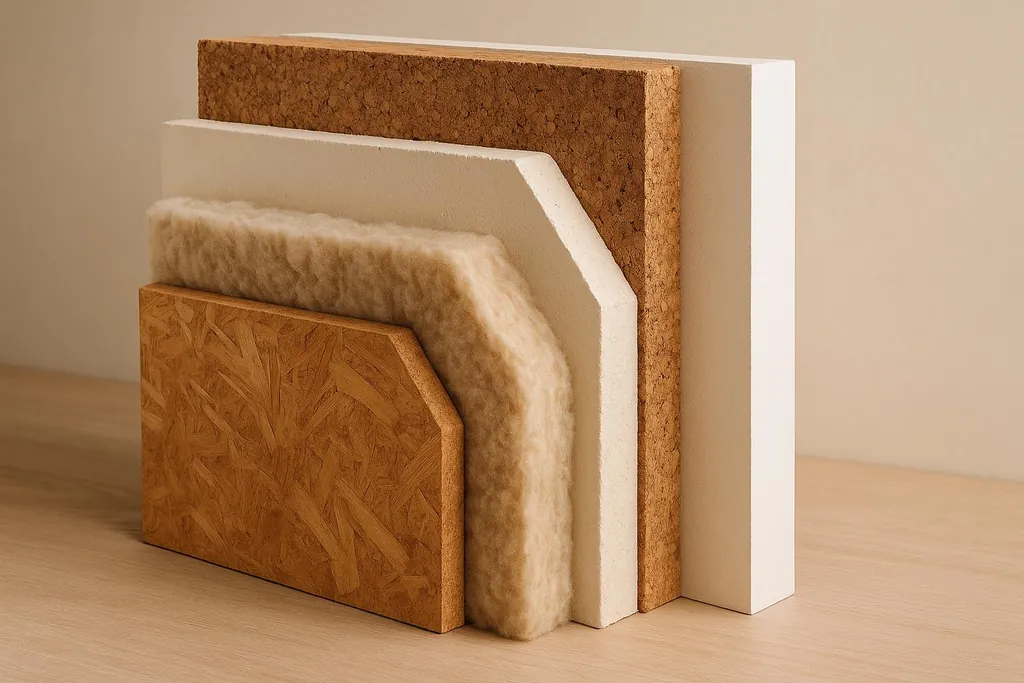
Compare spray foam insulation alternatives: rigid foam, mineral wool, cellulose, and aerogel for walls, roofs, and foundations.
Spray Foam Insulation: Health Risks, Off-Gassing Dangers & Safer Alternatives
Spray foam insulation is effective at sealing air leaks and improving energy efficiency, but it comes with serious health and environmental concerns -- from releasing VOCs and isocyanates during installation to being petroleum-based. Understanding these risks is the first step toward making a safer choice for your home.
This guide covers everything you need to know: what makes spray foam problematic, the specific health risks involved, how to stay safe if you do use it, and -- most importantly -- the safer alternatives that still deliver strong thermal performance.
Key Takeaways:
- Health risks are real: Spray foam releases VOCs, isocyanates, and flame retardants during installation and curing that can cause respiratory issues, chemical sensitivity, and worse.
- Indoor VOC levels can be up to 10x higher than outdoor levels during and after spray foam installation.
- Vulnerable populations -- children, pregnant women, and older adults -- face elevated risks from chemical exposure.
- Safer alternatives exist: Cellulose, mineral wool, cork, sheep's wool, and hemp all deliver strong R-values without toxic off-gassing.
- Proper installation is critical: If you do choose spray foam, certified professionals, full ventilation, and 24-72 hour re-occupancy waits are non-negotiable.
Spray Foam Insulation: Pros & Cons? Is It Safe? Environmental Issues?
Why Spray Foam Insulation Is Problematic
Spray foam insulation works by expanding and solidifying through a chemical reaction between two key components. While this process makes it an effective insulator, it also raises safety concerns related to the chemicals involved.
Chemical Components in Spray Foam
Spray foam insulation is created by combining two main ingredients: polyol resin (Part B) and isocyanate (Part A). The isocyanate component includes substances like methylene diphenyl diisocyanate (MDI), toluene diisocyanate (TDI), and polymeric MDI (PMDI). OSHA identifies isocyanate exposure as a leading cause of occupational asthma, with jobs in painting, foam-blowing, and polyurethane manufacturing carrying the highest risk. These chemicals are responsible for the foam's ability to expand and adhere to surfaces but are also the primary drivers of off-gassing concerns.
Other additives -- such as catalysts, blowing agents, and flame retardants -- play a role in the foam's performance but also contribute to emissions. These emissions may include formaldehyde, amines, aldehydes, and flame retardants like tris (1-chloro-2-propyl) phosphate (TCPP). The primary issue lies with volatile organic compounds (VOCs) -- chemicals that easily turn into gases at room temperature and are associated with the odors and potential health risks of spray foam insulation.
How Off-Gassing Works
Off-gassing refers to the release of gases from the spray foam as it cures. This process is most intense during the initial curing phase, which typically lasts between 24 and 72 hours.
When the foam is applied, the chemical reaction generates heat, causing the mixture to expand rapidly. This expansion releases vapors and aerosols, including isocyanate compounds, into the air. Over the next few days, as the foam hardens, the rate of gas release gradually decreases.
For off-gassing to subside effectively, precise mixing and ideal curing conditions are essential. If the polyol resin and isocyanate aren't combined properly or if environmental factors like temperature and humidity aren't optimal, the chemical reaction may remain incomplete. This incomplete curing can lead to prolonged off-gassing, with chemicals continuing to be released over time -- potentially for weeks or months.
Additionally, activities like cutting or trimming the foam can release dust containing unreacted isocyanates. Poor curing conditions, such as low temperatures or high humidity, can further delay the process and extend the period of chemical emissions.
Health Risks from Spray Foam Insulation
Spray foam insulation can release chemical compounds during its curing process that pose real health concerns. Understanding these risks allows homeowners to take proper precautions or choose safer alternatives.
Indoor Air Quality Impact
When spray foam insulation is installed, it has a significant and measurable impact on indoor air quality. The EPA reports that VOC concentrations inside homes can run 2-5x higher than outdoor levels in routine conditions, with much higher peaks during activities like paint application or curing of polyurethane products. Research shows that indoor VOC levels can be up to ten times higher than outdoor levels during and after spray foam installation. The chemicals released include formaldehyde, MDI, amines, flame retardants like TCPP, blowing agents, and aldehydes. Depending on ventilation and curing conditions, these VOCs can remain in the air for days or even weeks after installation.
One compound of particular concern is TCPP, commonly used in open-cell spray foam. The EPA Design for the Environment program identifies TCPP as highly hazardous for reproductive and developmental health. Its emissions can increase with temperature, meaning warmer conditions may lead to higher levels of release.
Short-Term Health Effects
Exposure to spray foam chemicals during and shortly after installation can cause immediate health symptoms:
- Respiratory irritation: Isocyanates may irritate the throat, cause coughing, and trigger breathing difficulties -- especially in areas with limited airflow.
- Neurological symptoms: Headaches, dizziness, nausea, and loss of coordination are common reactions.
- Skin and eye irritation: Contact with the chemicals or their vapors can cause redness, burning sensations, skin rashes, and watery or itchy eyes.
- Allergic reactions: Some individuals may develop allergic skin reactions upon exposure.
The intensity of these symptoms typically depends on the concentration of chemicals in the air and the duration of exposure. While professional installers use protective gear like respirators, suits, and gloves, even they sometimes experience mild symptoms after extended periods of work.
Long-Term Health Effects
Prolonged or repeated exposure to spray foam insulation chemicals can lead to more serious health problems:
- Respiratory sensitization: Repeated contact with isocyanates may make the immune system overly reactive. OSHA documents that the principal effects of hazardous isocyanate exposure are occupational asthma and other lung problems, plus irritation of the eyes, nose, throat, and skin. For those who develop this sensitivity, even minimal future exposure can trigger asthma-like symptoms, including wheezing and chest tightness.
- Chronic respiratory issues: Improperly installed or incompletely cured foam may continue to release harmful chemicals over time, contributing to persistent coughing and reduced lung function, particularly in spaces with poor ventilation.
- Organ damage: Prolonged exposure to certain VOCs has been linked to damage to the liver, kidneys, and central nervous system.
- Cancer risks: Extended exposure to some of the chemicals found in spray foam emissions is associated with elevated cancer risk.
Vulnerable Populations
Certain groups face elevated risks from spray foam chemical exposure:
- Children: Developing respiratory and nervous systems are more susceptible to chemical damage.
- Pregnant women: TCPP and other chemicals pose reproductive and developmental health risks.
- Older adults: Pre-existing respiratory conditions can be aggravated by VOC exposure.
- People with asthma or chemical sensitivities: Even low-level exposure can trigger severe reactions.
How to Reduce Spray Foam Health Risks
If you choose to use spray foam insulation, these precautions are essential for minimizing health risks.
Safe Installation Practices
- Hire certified professionals: Trained installers know how to mix and apply the foam properly, ensuring it cures completely and minimizes off-gassing.
- Maintain proper conditions: Install the foam under controlled conditions -- temperatures between 65degF and 85degF, with relative humidity below 50%. Accurate mixing ratios are equally important; deviating from these conditions can lead to incomplete curing and prolonged VOC emissions.
- Isolate the work area: Keep the installation zone completely off-limits during application. Seal off HVAC systems, close doors, and ensure no air circulates between the workspace and occupied areas.
- Seal adjacent spaces: Block off nearby rooms and seal electrical outlets, plumbing penetrations, and structural joints to stop vapors from spreading into occupied areas.
- Ensure proper ventilation: Use exhaust fans and allow fresh air to circulate during installation to disperse chemical vapors effectively.
- Test air quality: After installation, check the air for chemical levels to confirm they've reduced to safe levels before re-occupancy.
Re-Occupancy Guidelines
- Follow manufacturer recommendations: Adhere to the suggested waiting period -- typically 24 to 72 hours -- to allow the foam to cure and off-gas properly. Some products may need longer depending on application thickness and environmental conditions.
- Monitor temperature during curing: Cooler conditions slow the curing process, while excessive heat can cause issues like incomplete surface curing. Continuous ventilation with exhaust fans and a steady flow of fresh air is essential.
- Consider household sensitivities: If someone in your household is particularly sensitive, extend the waiting time before returning.
- Check for odors: Only re-enter the space once chemical smells have faded significantly. Keep in mind that even compounds without noticeable odors can pose health risks.
- Maintain airflow post-return: After returning, keep windows open or use fans for several additional days.
- Watch for symptoms: Avoid re-occupying the space if anyone experiences headaches, throat irritation, or other symptoms.
Long-Term Air Quality Maintenance
After spray foam installation, ongoing air quality management is critical:
- Maintain indoor relative humidity levels between 30% and 50%.
- Commission mechanical ventilation systems after installation.
- Test airflow rates and ensure exhaust fans are functioning properly.
- Verify that fresh air intake systems are working as intended.
- Consider using indoor air quality monitors to track VOC levels over time during the extended curing period.
Choosing Safer Spray Foam Products
If spray foam is your only option, select products that meet strict low-emission standards:
- Look for GREENGUARD Gold certification, EPA Safer Choice, and UL Environment labels. UL notes that GREENGUARD Gold screens for more than 15,000 known VOCs with stricter emission limits intended for sensitive environments like schools and nurseries.
- Review technical data sheets for VOC levels and opt for formaldehyde-free formulations.
- Choose professional-grade distributors who provide up-to-date technical bulletins, safety data sheets, and third-party test results.
- Note that spray foam components have a limited shelf life -- sourcing fresh products matters for proper curing.
Beyond Spray Foam: Top Alternatives for Eco-Friendly Insulation
Given the health risks outlined above, many eco-conscious homeowners are turning to safer alternatives. These materials use recycled or natural inputs, have a lower environmental impact, and promote healthier indoor air quality thanks to their low-VOC and non-toxic properties. Unlike spray foam, most don't require extended ventilation times, making it possible to occupy your home right after installation. For exterior continuous insulation specifically — where spray foam is often spec'd — rigid foam boards in polyiso, EPS, or XPS are the lower-toxicity alternative.
Quick Comparison
| Material | R-Value per Inch | Cost per 2,000 sq ft | Health Impact | Air Sealing | Environmental Profile | Installation |
|---|---|---|---|---|---|---|
| Spray Foam (Closed Cell) | 6.0-6.5 | $3,000-$5,000 | High VOC during curing | Excellent | Petroleum-based | Professional only |
| Cellulose | 3.1-3.8 | $1,500-$2,500 | Low VOC, non-toxic | Limited | High recycled content | Requires blowing equipment |
| Mineral Wool | 4.2 | Moderate | Very low, non-combustible | Limited | Recycled content | Easy-to-install batts |
| Cork | 4.0 | Premium | Non-toxic, antimicrobial | Limited | Renewable, carbon-negative | Lightweight panels |
| Sheep's Wool | 3.5-4.3 | $2,500-$3,000 | Non-toxic, breathable | Limited | Renewable, biodegradable | Flexible batts |
| Hemp | 3.7 | $3,000-$4,500 | Non-toxic, mold-resistant | Limited | Rapid renewable | Pre-formed batts |
| Cotton/Denim | 3.5-3.7 | $2,000-$3,000 | Non-toxic, no irritants | Limited | 80-85% recycled | DIY-friendly |
1. Cellulose Insulation
Cellulose insulation offers a practical option for those looking beyond spray foam. Made primarily from recycled newspapers and cardboard, it's treated with fire-retardant chemicals to improve safety.
Thermal Performance (R-value)
When it comes to keeping your home comfortable, cellulose insulation performs well. It boasts R-values between R-3.1 and R-3.8 per inch — figures consistent with the DOE Energy Saver insulation materials guide, which notes that properly dense-packed cellulose will not settle in a cavity. The Cellulose Insulation Manufacturers Association maintains an industry technical library on dense-pack methodology and fire-retardant treatment. Its ability to snugly fill small gaps and crevices enhances its overall insulation effectiveness, making it a reliable choice for comprehensive coverage.
Health and Safety
One of the standout features of cellulose insulation is its non-toxic nature. Thanks to its fire-retardant treatment, it minimizes exposure to harmful chemicals. As Koala Insulation explains:
> "Additionally, eco-friendly insulation materials are non-toxic and do not emit harmful chemicals into the air. This is beneficial for both the environment and human health, as traditional insulation materials like fiberglass have been linked to respiratory issues." - Koala Insulation
The added fire-retardant treatment not only improves safety but also helps slow the spread of flames, providing extra peace of mind.
Environmental Impact
Cellulose insulation shines in terms of environmental responsibility. With 75-85% recycled content, it turns waste paper into something useful, actively contributing to the circular economy. By reducing the need for virgin materials, it supports a more sustainable future.
With its strong performance, safety benefits, and eco-conscious design, cellulose insulation stands out as a solid choice. Next, let's take a look at another durable option - mineral wool insulation.
2. Mineral Wool Insulation
Mineral wool insulation is a solid alternative to spray foam. This fiber-based material is crafted from volcanic rock, basalt, or slag and comes in various forms like batts, rolls, and loose-fill.
Thermal Performance (R-value)
With an R-value of around 4.2 per inch, mineral wool does a great job of resisting heat transfer, which can help cut down on energy bills. For a closer look at how mineral wool stacks up against the other common cavity option, see our Rockwool vs fiberglass comparison.
Health and Safety
According to Rockwool, their products don't release any known toxic byproducts. Beyond its chemical safety, mineral wool is naturally resistant to rot, mildew, mold, and bacterial growth. These features make it a great choice for damp or humid spaces. Plus, it helps keep pests at bay.
Note that mineral wool's fibrous nature does require basic dust protection (a mask) during installation, but this is a far cry from the respirators and protective suits required for spray foam work.
Environmental Impact
Mineral wool insulation is made with up to 40% recycled content and is recyclable itself. Its production process avoids releasing harmful pollutants and doesn't harm the ozone layer. Thanks to its durability and energy-saving properties, it offers long-term environmental advantages.
Next, we'll take a closer look at cork insulation.
3. Cork Insulation
Cork insulation, made from the bark of cork oak trees, offers a practical and eco-friendly alternative for insulating spaces.
Thermal Performance
Cork insulation delivers an R-value of 4 per inch, which is comparable to open-cell spray foam. While closed-cell spray foam has a higher R-value, cork still provides reliable thermal resistance for various applications.
Health and Safety
Cork naturally resists mold and mildew, thanks to its antimicrobial properties, eliminating the need for chemical treatments. It's also fire-resistant and moisture-resistant, contributing to a healthier indoor environment. On top of that, cork is non-toxic and acts as a carbon sink, absorbing carbon dioxide even after installation.
Environmental Impact
Cork insulation stands out as a carbon-negative material, absorbing more carbon during its lifecycle than it emits during production. Harvesting cork is highly sustainable, as removing the bark doesn't harm the trees, which regenerate their bark within about nine years. For instance, one leading manufacturer powers 93% of its production using cork dust. The insulation is also fully recyclable and lasts for decades, reducing waste and the need for replacements. However, its environmental footprint is slightly impacted by the transportation required to import cork from Portugal, where most cork oak forests are found.
DIY Installation
Cork insulation comes in various forms like boards, rolls, and granules, making it versatile for different projects. It's lightweight, easy to cut with standard tools, and fits snugly into irregular spaces. Unlike spray foam, cork doesn't release harmful fumes during installation, making it a safer option for DIY enthusiasts.
4. Sheep's Wool and Hemp Insulation
When it comes to safer and more eco-friendly insulation options, natural fibers like sheep's wool and hemp stand out. These materials not only perform well thermally but also come with a smaller environmental footprint.
Thermal Performance
Sheep's wool insulation offers an impressive R-value of up to 4.3 per inch, and it holds this level of performance for as long as 50 years. This puts it on par with open-cell spray foam, which typically ranges from R3 to R4 per inch. Hempwool insulation, on the other hand, provides an R-value of 3.7 per inch. While these values are lower than the R6 to R7 per inch offered by closed-cell spray foam, the environmental advantages of natural fibers make them a compelling choice. Achieving equivalent insulation levels with wool or hemp may require thicker layers, but the trade-off often feels worthwhile for those prioritizing sustainability.
Environmental Impact
Hemp insulation is a standout in terms of eco-friendliness. Hemp plants mature in just four months, requiring very little water and no pesticides. Nearly every part of the plant is used during production, which helps minimize waste. This rapid renewability and efficient use of resources make hemp insulation an excellent green alternative. Sheep's wool, being a natural byproduct, also aligns with sustainable practices, offering a renewable and biodegradable solution.
Notably, hempcrete is now included in the 2024 International Residential Code under "Appendix BA", giving it broader regulatory recognition as a legitimate building material.
5. Cotton and Recycled Denim Insulation
Cotton batt insulation is crafted from recycled natural fibers -- typically 80-85% recycled denim and cotton -- and avoids synthetic additives, keeping chemical emissions to a minimum. It's user-friendly and can be installed without specialized gear, making it an excellent choice for DIY builders. That said, careful placement is essential to prevent gaps that could compromise its performance.
Cotton/denim insulation delivers solid thermal performance while repurposing old textiles. For a 2,000-square-foot home, installation costs typically fall between $2,000 and $3,000.
Comparison of Insulation Materials
Choosing the right insulation involves juggling several factors: thermal performance, safety, environmental considerations, cost, and how easy it is to install. Natural alternatives to spray foam each bring their own set of strengths and trade-offs, which can impact your project's outcome, budget, and long-term satisfaction.
Here's a detailed comparison of popular natural insulation materials based on key attributes:
| Material | Typical R-Value per Inch | Safety Characteristics | Environmental Profile | Installation Approach |
|---|---|---|---|---|
| Cellulose | Approximately 3.0-3.8 | Non-toxic and fire retardant | High recycled content; repurposes waste paper | Requires specialized blowing equipment |
| Mineral Wool | Approximately 3.0-3.3 | Non-combustible; basic dust protection | Often contains recycled fibers | Available as batts that can be cut to fit |
| Cork | Around 3.6-4.0 | Naturally antimicrobial, low toxicity | Renewable harvest with a low environmental impact | Lightweight panels, easy to handle |
| Sheep's Wool | Approximately 3.5-4.3 | Breathable, natural, and non-toxic | Renewable and biodegradable | Flexible batts that adapt to contours |
| Hemp | Around 3.7 | Naturally mold-resistant and non-toxic | Grows quickly with minimal resources | Comes in pre-formed batts |
| Cotton/Denim | Around 3.5-3.7 | Non-toxic, no irritants | 80-85% recycled content | DIY-friendly batts |
While the table gives a snapshot of the differences, let's dive deeper into performance, safety, environmental benefits, and installation methods.
Performance and R-Value
Closed-cell spray foam has a higher R-value per inch compared to these natural options, meaning you'll need thicker layers of natural materials to achieve the same insulation level. However, natural materials like sheep's wool and hemp provide additional benefits, such as regulating indoor humidity, while cork offers impressive moisture resistance without compromising breathability.
Safety and Installation
Natural insulation materials are generally safer for DIY installation, as they don't pose the off-gassing risks associated with spray foam. For example:
- Cork panels and hemp batts are lightweight and straightforward to install, making them ideal for DIYers.
- Cotton/denim batts can be installed without specialized gear and pose zero chemical emission risk.
- Cellulose, while effective at filling cavities completely, requires specialized blowing equipment for proper application.
- Mineral wool batts are easy to cut and install but may generate dust that requires basic protection measures.
Environmental Impact
One of the biggest draws of natural insulation is its eco-friendly profile. For example:
- Hemp and cork help sequester carbon during their production.
- Cellulose makes use of recycled paper, giving waste materials a second life.
- Sheep's wool is a renewable byproduct of agriculture and is fully biodegradable.
- Cotton/denim repurposes textile waste, with 80-85% recycled content.
Cost, Durability, and Financial Incentives
When it comes to pricing, cellulose tends to be the most budget-friendly option at $1,500-$2,500 for a 2,000 sq ft home, while cork is more expensive due to its durability and resistance to moisture. Sheep's wool ($2,500-$3,000) and hemp ($3,000-$4,500) fall in the mid-to-upper range, offering reliable performance at moderate costs. Durability varies too -- some materials, like cellulose, may settle over time, while others, such as cork, retain their insulating properties for many years.
Homeowners upgrading their insulation can take advantage of the Energy-Efficient Home Improvement Credits (25C), which offer a 30% credit on eligible improvements, up to $1,200. This can significantly offset the higher upfront cost of eco-friendly materials.
For DIY builders focused on health, eco-friendliness, and ease of use, these natural insulation materials are excellent alternatives to spray foam. Whether you're aiming for a cost-effective solution, premium performance, or a material that aligns with your environmental values, there's a natural option to suit your project.
Conclusion
Natural insulation options offer a safe, eco-conscious, and efficient way to improve thermal performance in your home. Unlike spray foam -- which poses real health risks from VOCs, isocyanates, and flame retardants like TCPP -- these materials avoid the dangers of toxic off-gassing and come with added perks like regulating humidity and allowing your home to "breathe."
Take cellulose, for example -- it's an affordable choice that, when densely packed, delivers excellent R-value without harming the environment. Mineral wool stands out for its fire resistance and ease of installation. Cork is a solid pick for moisture control, while sheep's wool and hemp excel at managing indoor humidity levels. Cotton/denim rounds out the options with its recycled content and DIY-friendly installation.
However, no matter which material you choose, proper installation and air sealing are critical to getting the most out of your insulation.
> "All insulation types perform equally well when properly installed and air sealed." - Building Sciences Corporation (BSC)
It's worth noting that materials like mineral wool, which are air-permeable, need an additional air barrier -- such as polyethylene sheeting -- to prevent airflow. Building Science Corporation lists continuity, strength, durability, stiffness, and impermeability as the five essential properties any air barrier system must satisfy. This is the key trade-off versus closed-cell spray foam, which acts as its own vapor retarder — with permeable alternatives, you need a dedicated vapor barrier on the warm side of the wall.
> "The type of insulation material you choose has little impact on your energy savings. There are 3 things that impact the efficiency of your insulation and the return on your investment: Correct installation, Proper air sealing, Getting the most insulation R-value per dollar." - Insulation Institute
Key Points for DIY Builders
- Product selection goes beyond R-values. Look for certifications like GREENGUARD Gold, EPA Safer Choice, or low-VOC labels to ensure safer materials. If you're sensitive to chemicals or designing for children or older adults, natural options like cotton batts or sheep's wool are the safest bet.
- Think beyond insulation. Long-term air quality depends on more than just the insulation you choose. Keep humidity levels between 30-50%, ensure proper ventilation, and regularly monitor your home's air quality. Tools like humidity meters and air quality monitors can help you catch problems early.
- Consider the full cost picture. While eco-friendly alternatives might require additional steps to seal your home effectively, they can pay off by improving indoor air quality, reducing health risks, and qualifying for tax credits like the 25C Energy-Efficient Home Improvement Credit.
For those looking to dive deeper, [DIY Eco Homes](/) offers detailed guides, step-by-step tutorials, and cost analyses for these natural insulation materials. Whether you're building your first passive house or retrofitting an older property, these resources can help you achieve professional-quality results.
FAQs
What are the main health risks of spray foam insulation?
Spray foam insulation releases volatile organic compounds (VOCs), isocyanates, and flame retardants like TCPP during installation and curing. Short-term exposure can cause respiratory irritation, headaches, dizziness, and skin reactions. Long-term or repeated exposure may lead to respiratory sensitization, chronic lung issues, and elevated cancer risk. Children, pregnant women, and people with asthma face higher risks. Indoor VOC levels can reach up to 10 times higher than outdoor levels during installation.
How long does spray foam insulation off-gas, and when is it safe to return home?
The most intense off-gassing occurs during the first 24 to 72 hours after installation, but VOCs can linger for days or weeks depending on ventilation and curing conditions. Manufacturers typically recommend waiting at least 24-72 hours before re-occupancy. If the foam was improperly mixed or cured under poor conditions (wrong temperature or humidity), off-gassing can continue for much longer. Always test air quality before returning and maintain ventilation for several days after re-entry.
What are the health and environmental advantages of using natural insulation materials instead of spray foam?
Natural insulation materials offer a safer and greener alternative to spray foam, bringing benefits for both your health and the planet. These materials are often derived from renewable or recycled resources, reducing waste and promoting eco-conscious home construction.
Options like cellulose, cork, wool, hemp, or cotton/denim stand out because they're generally non-toxic and free from harsh chemicals. This means they're not only kinder to the environment but also help maintain healthier indoor air quality, creating a safer space for your family. Plus, these materials deliver strong energy efficiency and thermal performance, making them a smart choice for sustainable living.
How do natural insulation materials compare to spray foam in terms of R-value?
Spray foam insulation stands out for its impressive thermal efficiency, boasting an R-value between R-6.0 and R-6.5 per inch for closed-cell. On the other hand, natural materials like cellulose typically have an R-value of R-3.2 to R-3.8 per inch, while options such as sheep's wool (up to R-4.3), cork (R-4.0), and hemp (R-3.7) fall within a similar range.
While natural insulation materials may not match the R-value of spray foam inch-for-inch, they offer unique advantages. They are more environmentally friendly, safer to install, and promote better air quality, making them ideal for homeowners focused on sustainability and well-being. Thicker application can compensate for the lower per-inch performance.
What should I know about installing natural insulation materials compared to spray foam?
Installing natural insulation materials like cellulose, cork, wool, hemp, or cotton/denim is generally simpler and safer for DIY enthusiasts compared to spray foam. Unlike spray foam, which involves handling hazardous chemicals and requires specialized equipment, respirators, and protective suits, these natural options are much easier to work with and pose fewer health risks during installation.
That said, achieving the best energy efficiency with natural insulation does call for careful installation. Since these materials might need more precise placement or additional layers to match the thermal performance of spray foam, attention to detail is key. Make sure to measure accurately, stick to the manufacturer's guidelines, and use the right tools for the job to get the most out of your chosen insulation.