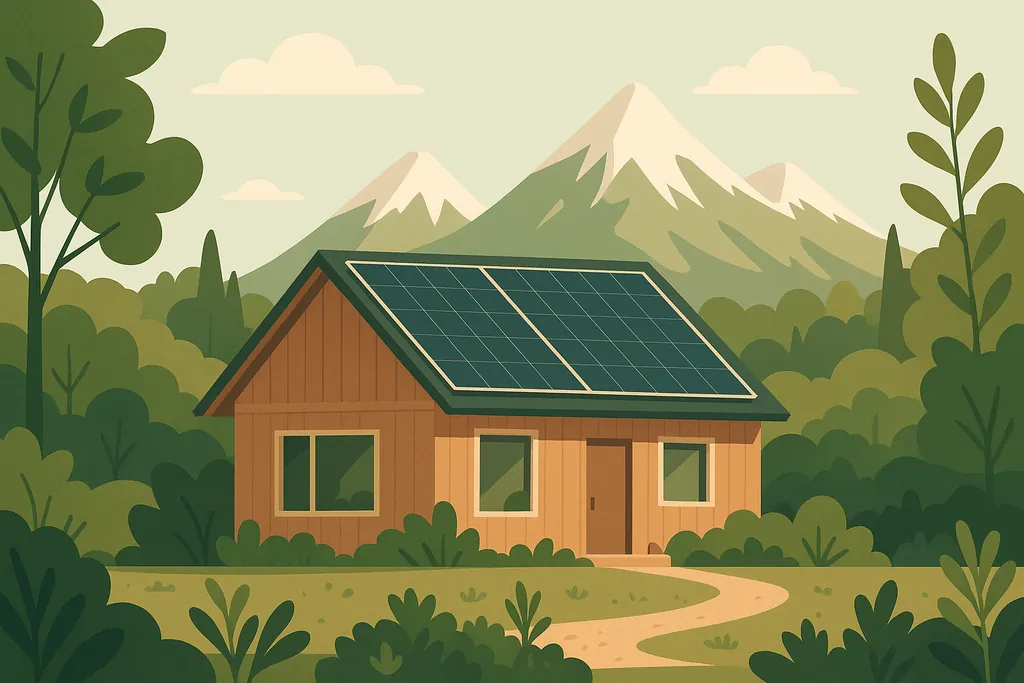
Explore the varying costs and challenges of building eco-friendly homes across Canada, influenced by regional climates and regulations.
Regional Costs for DIY Eco Homes in Canada
Building an eco-friendly home in Canada can be expensive, and costs vary widely depending on your location. Here's a quick breakdown of the key factors that influence costs across different regions:
- British Columbia: High labor costs in urban areas like Vancouver, but milder climates allow longer building seasons. Coastal areas need moisture-proofing and seismic reinforcements.
- Prairie Provinces: Affordable land but challenges include extreme temperatures, windproofing, and transportation costs in rural areas.
- Ontario: High costs in the Greater Toronto Area due to labor and permits. Rural Northern Ontario offers cheaper land but shorter construction seasons.
- Quebec: Urban areas like Montreal face high costs due to strict regulations. Rural areas like the Eastern Townships are more budget-friendly.
- Atlantic Provinces: Low land costs, but coastal weather demands advanced weatherproofing.
- Northern Regions: Harsh climates and remote locations lead to high transportation and material costs.
Key Cost Drivers
- Climate: Severe weather requires extra insulation and weatherproofing.
- Location: Urban areas have higher labor and permit costs; rural areas face transportation challenges.
- Seasonality: Shorter construction seasons in colder regions increase planning complexity.
Understanding these regional differences can help you plan your eco-home budget more effectively. [DIY Eco Homes](/) offers tools to calculate costs based on your location, materials, and climate needs.
Ontario couple built this eco-friendly earthship home for $70000
1. British Columbia
In British Columbia, eco home costs vary widely due to the province's diverse climates, strict building codes, and sustainable construction standards. Urban areas like Vancouver and Victoria see higher costs, largely because of strong market demand for eco-friendly materials. Prices for locally sourced materials can fluctuate depending on availability and market trends, leading to cost differences across different parts of BC.
Labor costs in the Lower Mainland are among the highest in the province, and fees for permits and energy certifications also add to the overall expense. Urban areas generally have higher per-square-foot costs, while regions like Vancouver Island, Interior BC, and northern remote areas may see lower rates - or, in some cases, higher costs due to challenges like material transportation or shorter construction seasons. These regional factors make customized budgeting essential.
Coastal areas face unique challenges, such as high moisture levels, which require features like vapor barriers, rain screen systems, and moisture-resistant materials. Meanwhile, BC's energy efficiency standards, such as the Step Code, call for high-performance windows, advanced air sealing, and modern ventilation systems. Coastal regions benefit from milder weather, allowing for longer building seasons, but mountain and interior areas must account for seismic activity and heavy snow loads, which can drive up construction costs.
2. Prairie Provinces
Building eco-homes in the Prairie Provinces comes with its own set of cost factors, shaped by the differences between urban and rural areas. Alberta, Saskatchewan, and Manitoba each bring unique challenges and expenses to the table. Let's take a closer look at what sets each province apart.
In Alberta, urban areas often face higher costs due to tough soil conditions and extreme weather, which require stronger foundations and better insulation. On the other hand, rural areas may offer cheaper land, but the savings can be offset by the cost of transporting materials. The province's strong solar energy potential is a big plus for sustainable construction.
Saskatchewan tends to have more predictable construction costs. Its flat terrain keeps site preparation relatively simple, but builders need to focus on insulation and windproofing to ensure homes can handle the local climate.
In Manitoba, urban and rural areas present a mix of challenges. Urban areas may need specialized foundation work due to soil issues, while rural areas often face higher transportation costs for materials. The province's access to renewable energy sources, like hydroelectric power, can help reduce heating and energy costs for eco-homes.
Across all three provinces, frost protection and wind resistance are essential. These factors play a major role in shaping sustainable designs that are both eco-friendly and built to withstand the region's harsh weather.
3. Ontario
Ontario's eco-home construction costs vary significantly due to its diverse geography and population density. The Greater Toronto Area (GTA) tends to have the highest expenses, driven by strict permitting processes, higher labor costs, and the use of premium sustainable materials.
Southern Ontario
In Southern Ontario, building eco-homes comes with additional challenges:
- Strict permitting and inspection requirements, which increase costs
- Higher labor rates
- Premium prices for sustainable building materials
- Stricter energy efficiency standards that require larger upfront investments
Central Ontario
Central Ontario offers a more cost-effective option for eco-home construction. Benefits include:
- Lower land prices
- Reduced permit fees
- Easy access to locally sourced sustainable materials
- Strong potential for solar energy utilization
Northern Ontario
Northern Ontario, while offering affordable rural land, presents unique challenges:
- Higher costs for transporting materials
- Shorter construction seasons due to harsher weather
- Greater need for insulation and weatherproofing to handle extreme conditions
Ontario's varying climate also plays a key role in construction strategies. Milder areas allow for longer building seasons, while northern regions require tighter timelines. Additionally, updated building codes across the province now mandate features like renewable energy systems, water conservation measures, and improved airtightness. While these updates increase initial costs, they are designed to deliver savings over time.
These regional differences highlight how local conditions across Ontario shape eco-home construction strategies, reflecting broader trends seen throughout Canada.
4. Quebec
Quebec, like Ontario, has its own mix of urban costs and challenges tied to remote areas when it comes to eco-home construction. Unique regional factors, including local regulations and varying costs, play a major role in shaping the province's eco-home landscape. While Quebec has guidelines that support eco-friendly construction, the specifics differ widely depending on the region.
Montreal Metropolitan Area
In Montreal, building an eco-home comes with higher costs. Urban land prices are steep, and strict municipal regulations often require eco-friendly materials, driving up expenses. Skilled labor is also more expensive in this area. Additionally, urban planning rules can stretch project timelines, adding another layer of complexity.
Eastern Townships
The Eastern Townships present a more budget-friendly option for eco-home builders. Land and development costs are lower compared to Montreal, and there's a strong network of suppliers offering sustainable materials. Zoning regulations here are more flexible, making it easier to use alternative building methods. Local communities are also more supportive of eco-conscious projects, creating a favorable environment for such initiatives.
Northern Quebec
Northern Quebec presents a different set of challenges. The region's remoteness and harsh winters lead to higher transportation costs and the need for specialized foundations. Builders must account for the short construction season, which requires precise scheduling. In areas with permafrost, additional structural adjustments are necessary, further increasing costs.
Regulatory Framework
Quebec's building codes include specific rules aimed at energy efficiency and sustainability. For example, advanced insulation and airtightness are required, along with provisions for renewable energy systems. While these regulations raise initial costs, they contribute to long-term savings in energy use.
Language Considerations
In Quebec, bilingual documentation is mandatory for permits and other project-related paperwork. This requirement can add both time and cost to the approval process. Additionally, bilingual professionals - such as contractors and inspectors - are often needed, which can affect project timelines and budgets.
These regional differences highlight how local factors significantly influence the cost of building eco-homes in Quebec and across Canada.
5. Atlantic Provinces
The Atlantic Provinces - New Brunswick, Nova Scotia, Prince Edward Island, and Newfoundland and Labrador - have unique cost factors and design needs. This section builds on earlier regional insights while focusing on the challenges and pricing dynamics specific to this maritime region.
New Brunswick
New Brunswick offers relatively low land costs, especially in urban areas like Saint John and Fredericton, which are attractive for eco-home projects. The province's abundant forestry resources help lower transportation costs for building materials. However, local conditions like frost heave and coastal humidity require specialized foundations and enhanced insulation, which can influence overall expenses.
Nova Scotia
Nova Scotia's climate demands extra attention to weatherproofing and insulation. In cities like Halifax, higher demand and stricter building codes contribute to increased construction costs. Coastal areas require materials that can endure salt spray and strong winds, adding another layer of complexity to building eco-friendly homes.
Prince Edward Island
Prince Edward Island's environmental regulations lead to higher costs for eco-home construction. The island's exposure to strong winds means builders need to invest in structural reinforcements, wind-resistant roofing, and better drainage systems to ensure durability.
Newfoundland and Labrador
In Newfoundland and Labrador, building eco-homes is more expensive due to environmental and logistical challenges. The shorter construction season and the need for additional thermal and wind protection drive up costs, especially in areas like St. John's.
Regional Cost Factors
Several shared factors influence building costs across the Atlantic Provinces:
- Coastal weather conditions demand advanced weatherproofing measures.
- Remote locations often increase the cost of sourcing materials.
- Short construction seasons require tight project timelines and efficient management.
Material Availability
While the region benefits from locally sourced sustainable materials, particularly from forestry industries, certain specialized eco-materials may need to be imported from larger markets. This can add to overall project costs.
Building Season Considerations
- The construction season is limited, typically running from late spring to early fall, making efficient scheduling crucial.
- Foundation work is best scheduled for early spring when conditions are more favorable.
- Interior finishing can often be completed during the winter months to maximize productivity year-round.
These seasonal limitations play a key role in shaping construction timelines and design decisions across the region.
6. Northern Regions
Building eco-friendly homes in Canada's northern territories comes with unique cost challenges. Harsh weather, limited infrastructure, and short construction seasons demand specialized building techniques and careful planning.
Yukon Territory
In Yukon, construction costs are higher than in milder regions. Long distances for transporting materials, combined with permafrost conditions, mean builders need to use custom foundations, high-quality insulation, and windows designed to withstand extreme temperatures. These factors also apply in the Northwest Territories, where remoteness adds to the complexity.
Northwest Territories
Projects in areas like Yellowknife face steep cost increases. The remote locations and short building seasons require meticulous planning and specialized approaches at every step.
Nunavut
Nunavut takes these challenges to another level. Arctic conditions, difficult logistics, and labor shortages make construction projects here especially demanding and expensive.
Climate-Specific Design Requirements
Eco-homes in northern Canada benefit from designs tailored to the region's extreme conditions. Key considerations include:
- Thermal Envelope: Homes need super-insulated walls, advanced air barriers, and construction techniques that reduce heat loss through thermal bridging.
- Mechanical Systems: Efficient systems are crucial. Ventilation designed for extreme cold, backup power options, and freeze-resistant water systems are standard.
- Solar Considerations: Window placement and size are optimized to maximize natural light and energy efficiency, addressing the dramatic seasonal changes in daylight.
Construction Season Planning
The short building season in these regions adds another layer of complexity. Projects require precise scheduling to make the most of the limited favorable weather. Tasks like laying foundations, assembling structures, and completing exterior work must align with these optimal periods. Interior work, however, can extend into transitional seasons when conditions allow for indoor activity.
DIY Eco Homes offers detailed guides and cost breakdowns to help builders tackle these unique challenges while staying on budget and prioritizing sustainable practices. These insights lay the groundwork for exploring broader regional considerations in the next section.
Weather and Risk Factors
Weather patterns and natural hazards play a big role in shaping construction and maintenance costs for eco-friendly homes in Canada. Below, we break down how regional weather, insurance needs, and smart design choices can influence your planning.
Regional Weather Considerations
Local weather doesn't just impact day-to-day living - it also affects construction and long-term upkeep costs:
Pacific Coast (British Columbia) Frequent heavy rain calls for top-notch waterproofing and moisture barriers. Additionally, seismic activity in this region means homes may need extra structural reinforcements.
Prairie Region With extreme temperature fluctuations and high winds, homes here need strong insulation and reinforced structures to ensure they last.
Central Canada Heavy snow and freeze-thaw cycles demand durable roofs and well-designed foundations. Ice dam prevention systems are also a must.
Insurance Considerations
Weather risks directly impact insurance requirements and premiums. For properties in flood zones, wildfire-prone areas, or regions with high winds, specific features - like raised foundations, fire-resistant materials, or stormproof windows - may be necessary to keep premiums manageable.
Key Design Adjustments
Coastal Areas
- Use materials that resist corrosion and ensure proper drainage systems.
- Install windows and doors that can withstand storms.
Northern Regions
- Add high-performance insulation.
- Design roofs that can handle heavy snow loads.
- Include ventilation systems suited for extremely cold temperatures.
Urban Centers
- Counteract urban heat island effects with reflective surfaces or greenery.
- Improve air filtration and soundproofing for better indoor quality.
Cost Impacts
These weather-driven adaptations can raise construction costs. The exact increase depends on the specific climate challenges addressed during the design and build phases.
Reducing Risks Through Smart Choices
Design and Timing
- Position the home to maximize natural protection and plan construction during favorable weather.
- Use landscaping, such as windbreaks, to shield the home from harsh conditions.
- Factor weather delays into the project schedule.
Material Selection
- Choose locally sourced materials suited to the climate.
- Opt for eco-friendly, moisture-resistant options.
- Focus on products that are durable and require minimal upkeep.
Regional Factors: Opportunities and Obstacles
When considering weather impacts, regional factors play a key role in determining the feasibility of eco-friendly construction projects. The process of building environmentally conscious homes varies significantly by location, bringing both opportunities and obstacles that influence construction methods.
Milder climates help reduce heating and cooling costs, while extreme weather regions demand better insulation and specialized building techniques. Urban areas offer easier access to skilled labor and modern materials, but rural locations may provide cheaper land - often at the cost of slower material delivery. In remote areas, transportation expenses can further strain the budget.
By carefully assessing key regional factors - such as climate, material availability, labor access, and permitting processes - builders can identify ways to cut costs and support sustainability goals. For example, sourcing local materials and leveraging regional incentives can help lower expenses while aligning with eco-conscious objectives.
Understanding these regional dynamics is essential for crafting a DIY strategy that balances sustainability with affordability. DIY Eco Homes provides actionable guides to help navigate these regional challenges, making it easier to plan and execute environmentally friendly construction, no matter where you're building.
Conclusion
Building an eco-friendly home in Canada involves taking regional differences into account, as these can significantly influence construction costs. Factors like transportation, material availability, and local building requirements vary widely between urban centers and remote areas.
For example, provinces like British Columbia and Ontario typically have higher costs due to stricter building codes and elevated labor expenses, though they may also offer energy-efficiency incentives. The Prairie Provinces, on the other hand, are often more budget-friendly with affordable land and fewer regulations, despite the challenges of extreme weather. In northern regions, the harsh climate demands significant investment in insulation, while Atlantic provinces offer lower land prices. Quebec's hydroelectric infrastructure can help reduce long-term energy costs, making it a unique option. These regional differences highlight the importance of crafting a strategy that fits your location.
Taking a DIY approach can help reduce labor expenses, but the actual savings will depend on the project's size and the region. Starting construction during the best building seasons can also improve efficiency and take advantage of better weather. To succeed, it's crucial to understand local regulations and prepare for any climate-related obstacles. DIY Eco Homes offers the resources and guidance needed to build energy-efficient homes while keeping costs under control, no matter where in Canada you're building.