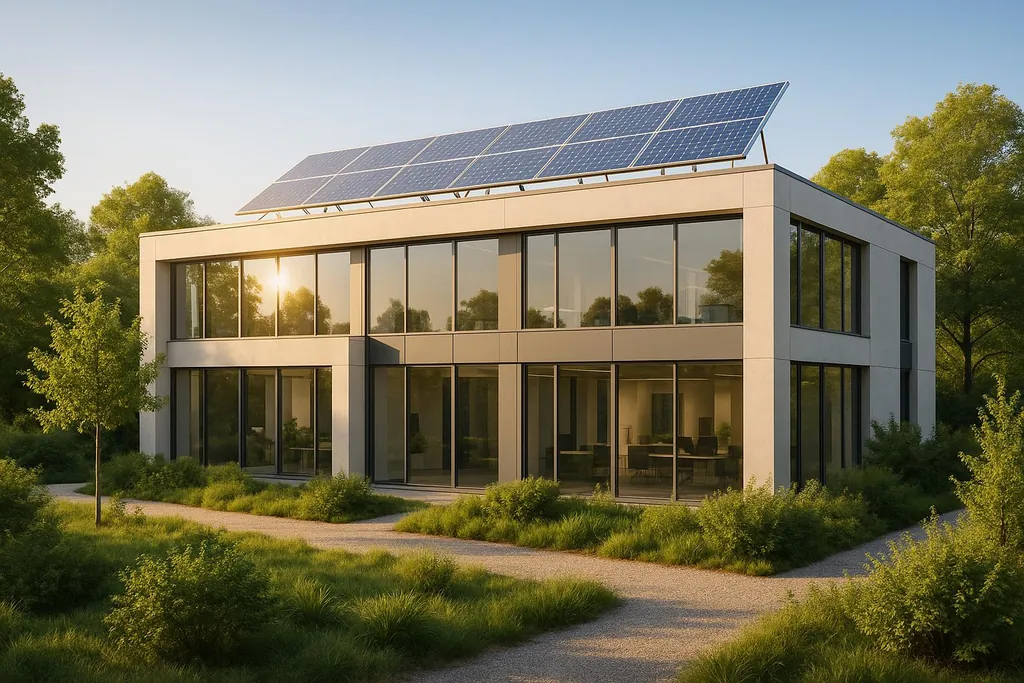
Explore the essentials of net zero buildings, from energy efficiency to renewable integration, and learn how to create your dream sustainable home.
What is a Net Zero Building?
A net zero building is a home that produces as much energy as it consumes annually. These homes combine energy-efficient construction with renewable energy systems, like solar panels, to balance energy use and reduce utility costs. Here's what you need to know:
- Energy Efficiency: Airtight insulation, sealed gaps, and efficient appliances minimize energy waste.
- Renewable Energy: Solar panels and, in some cases, wind turbines generate power. Battery systems store excess energy.
- Smart Systems: Tools like smart thermostats and energy monitors optimize energy use in real-time.
- Financial Benefits: Lower utility bills, tax incentives, and potential income from selling surplus electricity.
- Environmental Impact: Reduced carbon emissions and improved air quality.
Net-Zero 101 - A guide to building your future-proofed dream home
Key Features of a Net Zero Building
Net zero buildings are designed to minimize energy use while incorporating renewable energy sources and advanced energy management systems. These key features work together to create homes that are efficient, sustainable, and cost-effective. Let’s break down what makes these buildings stand out.
Energy Efficiency and Insulation
The backbone of any net zero building is airtight insulation. The home’s envelope - its walls, floors, and ceilings - serves as a thermal barrier, keeping indoor temperatures stable and reducing the need for heating or cooling.
Air leakage is a major culprit in energy waste. According to ENERGY STAR, between 25% and 40% of the energy used to heat and cool a typical U.S. home is lost due to air leaks. Imagine leaving a window open all year long - that’s essentially the impact of combined air leakage in many homes.
By sealing gaps and adding insulation in critical areas like attics, crawl spaces, and basements, homeowners can significantly cut heating and cooling costs. Since nearly 90% of homes in the U.S. are under-insulated, there’s a huge opportunity for improvement. Even simple fixes like caulking and weatherstripping can pay off quickly, reducing energy use while making your home more comfortable by eliminating drafts and cold spots.
When paired with renewable energy systems, these efficiency upgrades form a strong foundation for achieving net zero energy use.
Renewable Energy Integration
Renewable energy systems, particularly solar panels, play a central role in net zero homes. Solar panels generate electricity during daylight hours, offsetting much of a household’s energy consumption. To make sure your system meets your energy needs throughout the year, it’s important to size it correctly based on your local weather patterns and available sunlight.
Many utility companies offer net metering programs, which allow you to sell surplus electricity back to the grid. This not only lowers your energy costs but also ensures you have access to power when your system isn’t producing enough. Adding battery storage systems can further improve efficiency by capturing excess energy for use during cloudy days or at night. In some areas, residential wind turbines might also be an option, though you’ll need to check local zoning laws and noise regulations before installation.
Combining renewable energy with smart energy management tools takes efficiency to the next level.
Smart Energy Management
Smart energy management systems are the brain behind net zero living. These tools help you track and optimize your home’s energy use in real-time, pinpointing areas where waste occurs.
For instance, smart thermostats can automatically adjust temperatures based on your daily routine, reducing heating and cooling demands without sacrificing comfort. Appliances with the ENERGY STAR label consume less energy, saving money over time. Other smart devices, such as programmable water heaters and load management systems, shift energy use to off-peak hours when electricity is cheaper.
Additional smart solutions include LED lighting systems, which use far less electricity than traditional bulbs, and smart power strips, which cut down on standby energy consumption from devices like TVs and chargers. Together, these technologies create an efficient, responsive system that keeps energy use in check - making net zero living not just possible, but practical.
Step-by-Step Guide for DIY Net Zero Construction
Turning your home into a net zero powerhouse - one that produces as much energy as it uses - takes careful planning and execution. Here's a breakdown of the key steps to help you get there.
Planning and Design
Before you pick up a hammer or screwdriver, start with a home energy audit. This will give you a clear picture of how your home currently performs, highlighting areas where improvements will make the biggest impact .
Next, evaluate your property's solar potential. Pay attention to how sunlight moves across your property throughout the day. South-facing roofs with little to no shade are ideal for solar panels. Watch out for anything that could block sunlight during peak hours, typically between 9:00 AM and 3:00 PM.
Think about your home's orientation and how it interacts with the sun. Using passive solar design principles can cut down your heating and cooling costs. For instance, large south-facing windows let in sunlight during the winter, while overhangs can block the summer heat. Meanwhile, minimizing east and west-facing windows can help you avoid unwanted heat gain.
To plan effectively, review your energy usage over the past 12 months. Look at your utility bills and factor in any upcoming changes, like switching to electric appliances or adding an EV charger. This gives you a baseline to calculate the size of the renewable energy system you'll need.
Once your plan is in place, the next step is to improve your home's energy efficiency by focusing on air sealing and insulation.
DIY Insulation and Sealing
Start with air sealing before upgrading insulation. This approach ensures you get the most out of your insulation and prevents moisture issues inside your walls.
Look for air leaks by spotting visible stains or drafts, especially around wall-ceiling joints and wall-floor connections . For a more precise assessment, consider hiring an energy assessor to conduct a blower door test, which measures how airtight your home is.
- Use caulking to seal cracks and gaps around stationary areas, like door and window frames, or where plumbing and wiring pass through walls.
- Apply weatherstripping to seal moving parts, such as doors and operable windows.
- For larger gaps, opt for low-expansion spray foam. It’s especially useful for sealing areas like window frames, baseboards, and spots where insulation looks dirty due to air movement.
- Install foam gaskets behind outlet and switch plates on exterior walls, and replace exterior door bottoms with those featuring flexible sealing gaskets.
These air sealing measures often pay off fast - sometimes within a year . Combined with proper insulation, you could save up to 10% on your annual energy bills .
Once you've sealed your home, focus on insulating key areas like the attic, basement, and crawl spaces. While air sealing is critical, insulation is essential to reduce heat transfer through your home’s envelope .
With air sealing and insulation complete, you're ready to move on to renewable energy systems like solar panels.
Installing Solar Panels
Before diving into solar installation, make sure your home is as energy-efficient as possible. A well-sealed and insulated home requires a smaller, less expensive solar setup .
Once your efficiency upgrades are done, size your solar system based on your updated energy needs. Solar photovoltaic (PV) systems are currently one of the most cost-effective renewable energy options for residential net zero homes .
Modern solar panels weigh between 40–60 lbs each , so check if your roof can handle the extra weight. Most newer homes meet this requirement, but older roofs might need reinforcement.
DIY solar installation is possible, but it requires careful planning and strict adherence to local building codes . One homeowner saved around $12,000 on a 9.4kW system by doing the work themselves .
Here’s a quick rundown of the process:
- Get the necessary permits from your local building department. Electrical permits and inspections are typically required.
- Contact your utility company about net metering programs. These allow you to sell excess electricity back to the grid.
- Plan your panel layout to maximize sun exposure while keeping a safe distance from roof edges.
- Install mounting rails according to the manufacturer’s instructions, ensuring they’re securely attached to roof rafters.
- Connect the panels in series or parallel, depending on your inverter and local electrical codes.
A PV system can generate electricity at about 60–70% of the grid's cost . However, after factoring in energy losses through charge controllers, batteries, and inverters, the overall efficiency typically lands around 58% .
Before connecting your system to the grid, schedule the required electrical inspections. This ensures your setup meets safety standards and qualifies for net metering programs in your area.
Materials and Tools for DIY Projects
Creating a net zero home means choosing the right materials and tools to maximize energy efficiency without breaking the bank. With plenty of eco-conscious materials and practical tools on the market, you can build sustainably while keeping costs in check.
Eco-Friendly Building Materials
When it comes to materials, prioritizing energy-efficient and sustainable options makes a big difference:
- Cellulose insulation, made from recycled materials, is a great way to minimize heat loss while being environmentally conscious.
- Reclaimed wood is not only sustainable but also provides strength and character for walls and other structural elements.
- Low-VOC paints and finishes are a smart choice for maintaining healthy air quality in tightly sealed homes. While they may cost a bit more than standard paints, they significantly reduce indoor pollutants.
- Structural insulated panels (SIPs) streamline construction by combining framing, insulation, and sheathing, all while boosting thermal efficiency.
- Metal roofing stands out for its durability and reflective properties, making it ideal for net zero homes. It pairs well with solar panels and reflective coatings, helping to cut down on cooling costs.
- Triple-pane windows are a solid investment for energy savings. Their superior insulation helps keep indoor temperatures stable, leading to long-term savings despite the higher upfront cost.
Once you’ve chosen the right materials, having the proper tools will ensure your build is precise and efficient.
Tools for DIY Builders
The right tools can make all the difference when working on a net zero home. Here are some essentials:
- Digital manometers are handy for measuring air pressure during blower door tests, helping you check your home’s airtightness.
- Infrared thermometers and thermal imaging devices reveal insulation gaps and thermal bridges, so you know exactly where to improve.
- High-quality caulk guns and weatherstripping tools ensure tight air seals, which are critical for energy efficiency.
- Reciprocating saws with insulation blades make cutting insulation materials clean and simple, saving time and effort.
- For solar panel installation, tools like torque wrenches, connector crimpers, and digital multimeters are essential for secure mounting and proper electrical connections. DIY solar tool kits are a convenient option, bundling everything you need in one package.
- Blower door testing equipment can often be rented from local tool shops, offering an affordable way to gauge your home’s energy performance without a hefty investment.
Budgeting and Sourcing Tips
Once you’ve selected your materials and tools, it’s time to manage costs wisely. Here are a few tips to keep your project budget-friendly:
- Buy materials in bulk or source excess supplies from contractors to save money.
- Look for factory seconds on items like windows and doors. These products may have minor cosmetic flaws but typically perform just as well as first-quality options.
- Check out local salvage yards or non-profit outlets for reclaimed materials. These can be both affordable and environmentally friendly.
- Calculate your total project costs upfront, including labor, permits, and a contingency budget for unexpected expenses. Costs will vary based on your home’s size, condition, and energy goals.
- Don’t forget to explore rebates, tax credits, and financing programs for energy-efficient upgrades. These incentives can significantly cut down both initial and long-term costs.
Maintaining and Monitoring a Net Zero Building
Once you've implemented strategies to achieve a net zero building, the next step is ensuring it stays efficient over time. This requires a combination of regular upkeep and energy monitoring to keep everything running smoothly.
Regular Maintenance Practices
Routine maintenance is key to keeping your home's systems operating at their best:
- Clean solar panels: Use water and a soft brush to remove dirt and debris, taking care to clean during cooler parts of the day to avoid potential damage from heat.
- Inspect air seals: Use an infrared thermometer to check for temperature variations around windows and doors. If you notice drafts, it’s time to reapply caulk or replace weatherstripping.
- HVAC upkeep: Replace or clean filters regularly and schedule professional servicing to maintain efficiency. For heat recovery ventilators, follow the manufacturer's guidelines for filter care and inspect core components as needed.
- Check insulation: Inspect areas like attics and crawl spaces for signs of settling, moisture damage, or pests. Address any issues immediately to maintain proper thermal performance.
Pairing maintenance with energy monitoring ensures your home stays on track toward long-term efficiency.
Energy Monitoring Tools
Tracking your energy consumption in real time helps you quickly identify and resolve inefficiencies:
- Smart energy monitors: These devices connect to your electrical panel, giving you detailed insights into how much energy individual appliances are using.
- Solar inverter monitoring: Many modern inverters come with built-in monitoring systems. Dedicated platforms can provide even deeper analysis, helping you detect issues like shading or reduced panel output.
- Smart thermostats: These devices adjust temperatures automatically based on occupancy and outdoor conditions, optimizing energy use. Utility companies often offer energy dashboards and time-of-use data to help you align energy consumption with peak solar production.
- Compare energy use and solar output: Regularly review your energy consumption against your solar production. Spotting imbalances early allows you to make adjustments and maintain net zero performance.
Long-Term Benefits of Net Zero Living
Staying consistent with maintenance and monitoring does more than just keep your home efficient - it delivers lasting advantages:
- Lower costs and increased value: Regular upkeep helps manage energy expenses while enhancing your property’s appeal and value.
- Reduced environmental impact: Using less energy means a smaller carbon footprint and contributes to healthier communities.
- Better comfort and air quality: Stable indoor temperatures and improved air quality can enhance your overall well-being.
- Resilience during outages: By relying on on-site energy production and efficient systems, your home is better equipped to handle power outages or grid instability.
With a little effort, you can ensure your net zero home continues to provide these benefits for years to come.
Conclusion
Building a net zero home isn’t just about reducing energy consumption - it's about embracing a lifestyle that benefits both your wallet and the planet. These homes are designed to generate as much energy as they use annually, which means lower utility bills and a smaller carbon footprint .
What makes this even more achievable is the DIY approach. By focusing on airtight insulation, renewable energy systems, and smarter energy management, homeowners can take control of the process. Sure, it requires time and effort to pick up the necessary skills, but the payoff is worth it. Think about it: drastically reduced energy bills - or even earning energy credits - can offset the initial investment over time.
Keeping your home running efficiently is just as important as building it. Regular maintenance and monitoring ensure your net zero home continues to perform at its best, protecting your investment for years to come.
Ready to get started? Start by assessing your home and identifying areas for improvement. Whether it’s adding better insulation, installing solar panels, or simply upgrading to a smart thermostat, every step brings you closer to energy independence. Not only will you enjoy the financial benefits, but you’ll also contribute to a healthier planet. Your future self - and the environment - will be glad you started today.
FAQs
How can I retrofit my home to achieve net zero energy efficiency?
Retrofitting your home to reach net zero energy efficiency starts with a detailed energy audit. This helps pinpoint where energy is being wasted. Once you know the problem areas, focus on improving insulation and air sealing to cut down on energy loss. Upgrading to energy-efficient systems, such as heat pumps for heating and cooling, is another smart move. To balance out your energy use, installing solar panels or other renewable energy systems is a must.
You can take it a step further by using eco-friendly materials and adopting energy-efficient design strategies. Not only do these upgrades reduce your environmental footprint, but they can also lead to noticeable savings on your energy bills over time. It’s a win-win for both sustainability and your wallet.
What is net metering, and how can it benefit homeowners with solar panels?
Net metering allows homeowners with solar panels to send surplus electricity back to the grid and earn credits on their utility bills. These credits can offset energy costs, making solar power even more appealing. To make this work, a bidirectional meter is usually needed. This device tracks both the electricity you draw from the grid and the excess you send back.
Before enrolling in a net metering program, it’s essential to review your state’s specific policies and any associated fees, such as connection or participation charges. These details can vary significantly depending on where you live and can influence your overall savings. Being informed about these factors will help you determine whether net metering is a good fit for your energy needs and financial plans.
What challenges might arise when maintaining a net zero home, and how can they be addressed?
Maintaining a net zero home isn’t without its hurdles. You might face challenges like keeping up with evolving technology, dealing with higher upfront expenses, or managing how climate changes impact your home’s energy efficiency. For instance, over the years, components like solar panels or insulation may need upgrades or replacements to maintain optimal performance.
To tackle these issues, focus on regular upkeep of your energy systems. This could mean updating insulation, replacing windows when necessary, or integrating newer, energy-saving technologies as they become available. Planning for the long haul is also key - investing in durable, environmentally friendly materials can help reduce costs over time and ensure your home stays aligned with net zero standards.