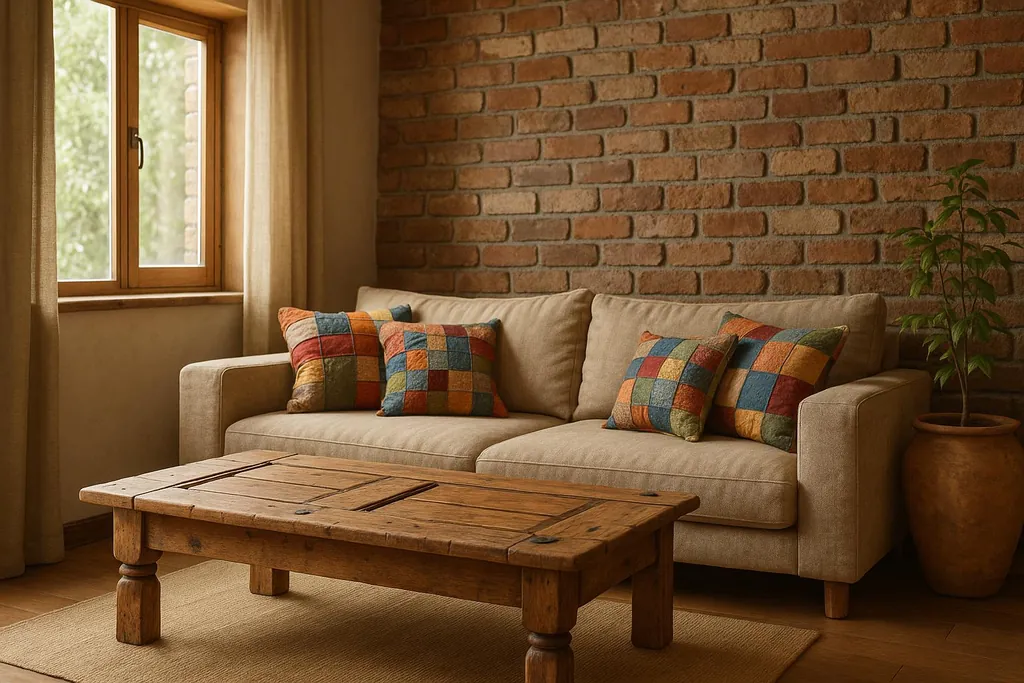
Explore the benefits and sourcing options for recycled materials in DIY home projects, combining cost savings with eco-friendly practices.
Ultimate Guide to Recycled Materials for DIY Homes
Recycled materials are a smart choice for DIY home projects. They cut costs, reduce waste, and support eco-conscious building practices. From reclaimed wood to salvaged bricks and recycled steel, these materials offer practical and budget-friendly alternatives without compromising quality or durability. Plus, many states offer tax benefits for using them.
Key Benefits of Using Recycled Materials:
- Lower construction costs compared to new materials.
- Reduced environmental impact by repurposing waste.
- Access to unique materials like reclaimed wood, salvaged bricks, and recycled steel.
- Potential tax credits and green building certifications.
Popular Recycled Materials for DIY Homes:
- Reclaimed Wood: Ideal for flooring, framing, and furniture. Inspect for damage and prep before use.
- Salvaged Bricks: Great for walls, foundations, and decorative projects. Check for structural integrity.
- Recycled Steel: Strong and versatile, perfect for framing and roofing.
- Recycled Glass & Plastic: Used for countertops, decking, and outdoor structures.
Where to Source Recycled Materials:
- Local salvage yards and Habitat for Humanity ReStores.
- Online platforms like Craigslist and Facebook Marketplace.
- Deconstruction companies and industrial surplus stores.
Cost Tips:
- Buy in bulk or off-season for discounts.
- DIY cleaning and prepping to save money.
- Build relationships with suppliers for better deals.
Using recycled materials requires planning and inspection but offers a cost-effective and responsible way to build. Whether you’re sourcing locally or online, these materials can help you create a home that’s both functional and resource-efficient.
How to Make Recycled BEAMS from Plastic Waste at Home
Types of Recycled Materials for Home Construction
Choosing the right recycled materials can make a big difference in your DIY home construction. These materials not only help you save money but also support eco-friendly building practices. Here’s a closer look at some popular options and what to keep in mind when using them.
Recycled Timber and Wood
Reclaimed wood is incredibly versatile and can be sourced from places like old barns, factories, pallets, or even discarded furniture. It’s a great option for structural framing, flooring, wall paneling, and custom furniture.
However, reclaimed wood needs careful inspection for issues like nail holes, rot, or insect damage. A metal detector can help locate hidden fasteners, and you’ll need to spend time cleaning, removing nails, and prepping the wood. For structural uses, consider having the wood professionally graded to ensure it meets building codes. Prices can vary a lot depending on the wood’s type, condition, and rarity, so shop around to find the best fit for your project.
Reclaimed Bricks and Masonry
Salvaged bricks bring a unique charm and durability to your construction. Their varied colors and textures can add character while also lending a sense of history to modern designs. Before use, inspect bricks for residue, chips, or structural weaknesses. Older bricks might need additional testing to ensure they’re safe and suitable for your project. Beyond bricks, reclaimed materials like stone, concrete blocks, and decorative masonry can be used for foundations, retaining walls, or accent features.
Recycled Steel and Metal
Recycled steel is both strong and environmentally friendly. You can find structural steel beams, roofing materials, siding, and hardware from demolition sites or metal recyclers. Components like I-beams, angle iron, and steel tubing are ideal for open floor plans and heavy-load support. Recycled metal roofing, available in corrugated panels or standing seam styles, offers long-lasting weather resistance with minimal upkeep.
Aluminum is another excellent option, often sourced from salvaged windows, siding, or gutters. It’s lightweight, corrosion-resistant, and cost-effective. Always check metal components for rust, damage, or incorrect sizing before use, and factor in any finishing or transportation costs. These materials open up a wide range of structural and design possibilities.
Recycled Glass and Plastic
Recycled glass and plastic are becoming increasingly popular among eco-conscious builders. For instance, recycled glass countertops combine crushed glass with resin or cement to create durable and visually appealing surfaces that rival natural stone. Recycled plastic lumber is perfect for decking, fencing, and outdoor structures, as it’s resistant to moisture, insects, and UV damage while requiring little maintenance.
If using salvaged windows or doors, check their energy efficiency and consider upgrading single-pane units if needed. Emerging products like insulation panels made from recycled plastic bottles or building blocks formed from compressed plastic waste are also gaining traction, offering more ways to reduce landfill waste.
Other Recycled Materials
For those looking to get creative, there are plenty of unconventional recycled materials to explore. Old tires can be repurposed into retaining walls, planters, or even foundation elements when treated properly. Salvaged hardware, such as hinges, handles, light fixtures, and plumbing components, can add unique character to your build while cutting costs - just make sure they’re thoroughly cleaned and tested for safety.
Other options include insulation and building panels made from recycled cardboard or paper, which must be treated to handle moisture. Cork flooring or wall panels made from recycled wine corks provide an interesting texture and insulation benefits. Reclaimed slate, tile, and ceramic materials are also great for flooring, backsplashes, or decorative accents. Before using unconventional materials, check local building codes and permit requirements, as some areas may have restrictions or require additional inspections.
Where to Find Recycled Materials in the United States
Finding quality recycled materials is easier than ever, thanks to the growing availability of both traditional and online sources. Across the country, you can explore options ranging from salvage yards to digital platforms. Below, we’ll dive into the best places to source recycled materials, along with tips for navigating legal and safety requirements, and even how to deconstruct homes for reusable components.
Best Places to Source Recycled Materials
If you’re looking to get started, here are some of the top places to find recycled materials:
- Architectural salvage yards: These are treasure troves for anyone hunting for unique, high-quality building materials. Salvage yards specialize in preserving items from demolished buildings, offering everything from vintage light fixtures and hardwood flooring to ornate millwork. Prices are often lower than buying new, making this a budget-friendly option.
- Habitat for Humanity ReStores: Found in many communities, these nonprofit stores stock donated building materials at reduced prices. You’ll find a wide range of items like appliances, cabinetry, lumber, and lighting fixtures. It’s a good idea to visit regularly or call ahead to check what’s in stock.
- Construction and demolition waste facilities: These facilities are great for sourcing bulk materials like concrete, asphalt, and metal. They often sort materials by type, making it easy for contractors and DIY enthusiasts to find what they need.
- Online marketplaces: Platforms like Facebook Marketplace and Craigslist make it simple to connect with sellers offering recycled materials. Whether you’re hunting for specific items or comparing prices, online options add convenience to your search.
- Deconstruction companies: Unlike traditional demolition, deconstruction carefully dismantles buildings to salvage reusable components. Many of these companies sell materials directly from their projects, offering everything from reclaimed wood to fixtures.
- Industrial surplus stores: These stores often sell materials from factory closures or overstock inventories at discounted prices. They’re particularly useful for projects requiring a consistent supply of materials.
No matter where you source materials, be sure to verify that they meet local building codes and safety standards.
Legal and Safety Requirements
Before purchasing recycled materials, it’s crucial to ensure they comply with local regulations. Building permits and inspections may require documentation, especially for structural materials. To avoid delays, contact your local building department early in the planning phase to understand what’s needed.
For materials from older structures, testing for lead or asbestos might be necessary. Hiring professionals to test these materials ensures safety and compliance. Additionally, many areas require engineering assessments to confirm the structural integrity of recycled load-bearing components.
Keep thorough records, including material origins, test results, and compliance certificates. These documents can be invaluable during inspections or when selling your property.
How to Deconstruct Homes for Salvageable Materials
Deconstruction is a great way to source materials while reducing waste, but it takes careful planning, the right tools, and plenty of time. Here’s how to get started:
- Assess the structure: Walk through the building to identify valuable materials, such as hardwood flooring, lumber, or unique architectural details. Take note of dimensions, condition, and any potential hazards based on the building’s age.
- Gather tools and arrange disposal: Essential tools include reciprocating saws, pry bars, sledgehammers, cordless drills, and safety gear. Renting a dumpster for debris and hiring certified contractors to dispose of hazardous materials can help streamline the process.
- Work systematically: Start with non-structural elements like doors, cabinetry, and fixtures. Gradually move to structural components, saving major elements like beams and framing for last. Always consult a structural engineer before removing load-bearing parts.
- Prepare and store materials: Clean off nails and fasteners, sort materials by type and condition, and store them in a dry, organized space to maintain their quality.
Deconstruction can be labor-intensive, but enlisting help from friends or family can make the process more manageable - and even enjoyable. Plus, the effort pays off when you see the cost savings and environmental benefits of using salvaged materials.
Sourcing recycled materials successfully often comes down to building strong relationships with local suppliers, staying informed about your market, and keeping a flexible project timeline. While it takes patience, the rewards - both financial and environmental - make it a worthwhile endeavor for DIY builders and sustainability-minded homeowners alike.
Cost Planning and Budgeting with Recycled Materials
When using recycled materials in your project, careful cost planning becomes a game-changer. While these materials often come with cost savings, their prices can vary based on condition, rarity, and availability. By budgeting wisely and sourcing strategically, you can make the most of these savings. Below, we’ll explore typical costs, practical tips to cut expenses, and tools to simplify your budgeting process.
Average Costs of Common Recycled Materials
Recycled materials tend to cost less than brand-new ones, but the savings you see will depend on the type of material, its condition, and market trends. For example:
- Reclaimed timber: Prices fluctuate based on wood species and its condition.
- Reclaimed bricks: Typically cheaper than new bricks, though costs vary by source and style.
- Recycled steel and metals: Prices are heavily tied to commodity market trends.
- Recycled glass and plastics: Costs depend on supplier availability and demand.
Don’t forget to account for delivery fees, which are influenced by the supplier’s location and the quantity of materials being transported.
Tips for Reducing Costs and Maximizing Savings
Understanding material costs is just the start. Here are some tried-and-true strategies to keep expenses in check:
- Buy in bulk or collaborate: Purchasing larger quantities or teaming up with other builders can unlock discounts.
- Time your purchases: Prices often fluctuate seasonally. Buying during slower periods might lead to better deals.
- Build relationships with suppliers: Regular visits to local salvage yards or ReStores can give you early access to discounted or high-quality materials.
- DIY processing: Materials that require cleaning or minor repairs are usually cheaper. With some effort, you can prep these yourself and save significantly.
- Stay flexible: Being open to adjusting your timeline allows you to seize deals when they arise.
- Negotiate: Whether you’re buying in bulk or paying in cash, don’t hesitate to negotiate for a better price.
Using [DIY Eco Homes](/) for Budget Planning

To streamline your budgeting process, consider the tools offered by DIY Eco Homes. Their platform provides detailed cost breakdowns and real-world pricing data tailored for sustainable building projects.
- Comprehensive breakdowns: These tools cover material and labor costs, including transportation and any necessary processing for recycled materials.
- Video tutorials: Learn cost-saving techniques for processing and installing recycled materials, which can help you cut back on professional labor expenses.
- Project calculators: Estimate material quantities and overall expenses with precision, factoring in waste and processing needs for a more accurate picture.
DIY Eco Homes’ transparent budgeting system lets you track your actual spending against your estimates, helping you refine your approach for future projects. However, keep in mind that while recycled materials can reduce costs, they often require extra time for sourcing, prepping, and installing. Be sure to account for this time investment when planning your project to fully benefit both financially and environmentally.
Design Ideas and Applications for Recycled Materials
Recycled materials open up a world of creative possibilities, combining cost-effectiveness with environmental benefits. They provide a chance to design spaces that reflect both sustainability and style, turning your home into an eco-friendly haven. From structural elements to decorative touches, these materials can add character and purpose to every corner of your living environment.
Structural Applications
Reclaimed timber is a fantastic option for load-bearing beams, offering both strength and a rustic charm to exposed structures. Crushed recycled concrete can be used as aggregate in new concrete mixes, cutting costs while reducing landfill waste. Reclaimed bricks, with their weathered look and natural thermal properties, not only support structural needs but also enhance designs that incorporate passive solar principles.
Steel framing is another area where recycled materials shine. Salvaged I-beams and other structural steel components can be repurposed for custom framing, providing a budget-friendly option that’s especially appealing for DIY enthusiasts.
Interior and Decorative Uses
Recycled materials can bring a unique story to your home’s interior. Reclaimed hardwood flooring or kitchen countertops made from repurposed wood are both durable and visually striking, adding a sense of history and craftsmanship to your space.
Recycled glass is another versatile material, perfect for countertops or decorative accents that bring a pop of color and texture. Vintage architectural elements, like old windows or tin ceiling tiles, can be reimagined as room dividers, cabinet doors, or wall art, adding charm and character to your design. These elements aren’t limited to interiors - they can also redefine outdoor spaces with the same sustainable spirit.
Landscaping and Outdoor Projects
Your outdoor areas offer endless opportunities to incorporate recycled materials. Recycled concrete or reclaimed bricks can be used to create retaining walls, garden borders, or even cold frames, blending practicality with a touch of history.
Fencing projects are another great way to use recycled materials. Reclaimed wood and metal panels can be repurposed into unique and functional fencing designs. For garden projects, reclaimed lumber works beautifully for raised garden beds, compost bins, or tool storage.
Recycled materials also shine in outdoor furniture and decor. A salvaged bathtub can become a charming planter or water feature, while reclaimed stone can define natural-looking borders or water channels. With a bit of creativity, old wood or metal can be transformed into benches, tables, or other outdoor furniture that combines practicality with a meaningful nod to sustainability.
When using reclaimed materials, it’s important to understand their properties and limitations. For example, reclaimed wood may need to be treated for pests or structural issues, while salvaged metal might require rust prevention. These extra steps not only ensure the materials’ longevity but also add to the unique character of your project, making your sustainable home truly one of a kind.
Building Your Home with Recycled Materials
Using recycled materials in home construction is a smart way to combine eco-conscious choices with significant cost savings. Materials like reclaimed timber, salvaged bricks, recycled steel, and repurposed glass can serve both structural and decorative purposes, making them versatile options for any project.
Start with a solid plan to align recycled materials with your specific needs. For instance, reclaimed wood and salvaged bricks can help trim costs while adding unique character to your home. Over time, these savings can really add up.
Before diving in, take the time to inspect the quality of your materials. Check reclaimed wood for any signs of damage, ensure salvaged metal is rust-free, and verify that recycled glass meets safety standards. A thorough inspection can prevent costly mistakes down the line.
To find these materials, explore local salvage yards, connect with demolition professionals, or browse online marketplaces. These resources often offer high-quality options at more affordable prices.
For guidance, DIY Eco Homes provides detailed cost breakdowns and tips for incorporating reclaimed materials into energy-efficient home designs. By following these practices, you can build a home that’s not only sustainable but also built to last.
Lastly, be open to adapting your designs based on the materials you find. This approach not only supports sustainability but also results in a home filled with character and individuality.
FAQs
What challenges might you face when using recycled materials in DIY home projects?
Working with recycled [materials for DIY](/blog/how-to-source-local-materials-for-diy-homes) home projects can be a rewarding endeavor, but it’s not without its hurdles. One of the biggest challenges is dealing with inconsistent quality. Since recycled materials can vary in strength, durability, and overall condition, it’s crucial to thoroughly evaluate them to ensure your project remains sturdy and safe.
Another concern is the possibility of contamination or hidden defects in some materials. Without proper treatment or inspection, these issues could lead to safety risks down the line, so taking the time to assess and, if necessary, clean or repair the materials is essential.
Navigating local building codes and regulations can also be tricky. Some areas have specific rules or standards for using recycled materials in construction, so it’s a good idea to familiarize yourself with local guidelines to avoid potential setbacks.
Lastly, finding high-quality recycled materials often requires extra effort. Sourcing reliable suppliers and planning ahead can make a big difference, but it does take time and research to locate materials that are both suitable and sustainable for your project.
How can I make sure the recycled materials I use for my DIY home meet local building codes and safety standards?
When using recycled materials for your project, it's crucial to ensure they comply with U.S. building codes and safety standards. Look for certifications such as [UL 2809](https://www.ul.com/services/ul-2809-recycled-content-validation), [SCS Recycled Content](https://www.scsglobalservices.com/services/recycled-content-certification), or the [Recycled Claim Standard](https://www.scsglobalservices.com/services/recycled-claim-standard) (RCS). These certifications confirm that the materials are traceable and meet necessary regulations.
Beyond certifications, take the time to examine the materials closely. Check for structural integrity, durability, and any signs of damage or contamination before putting them to use. It’s also a good idea to consult with local building authorities to verify that the materials align with specific regional requirements. Taking these steps will help you create a project that’s not only safe but also up to code.
How can I creatively use recycled materials to enhance my home's interior and exterior design?
Incorporating recycled materials into your home is a great way to add character while being mindful of the planet. Inside, reclaimed wood can bring warmth and charm when used for accent walls, shelves, or even custom furniture pieces. Old glass jars can find new life as decorative storage containers or planters, and salvaged tiles can create eye-catching backsplashes or tabletops with a story to tell.
Outside, materials like recycled steel or glass can be repurposed for siding, fencing, or walkways. Reclaimed bricks or stones work beautifully for patios or garden borders, offering both durability and a rustic aesthetic. If you're into DIY, consider turning wooden pallets into outdoor seating or using recycled plastic bottles as insulation. These projects not only cut down on waste but also add unique, eco-conscious touches to your home.