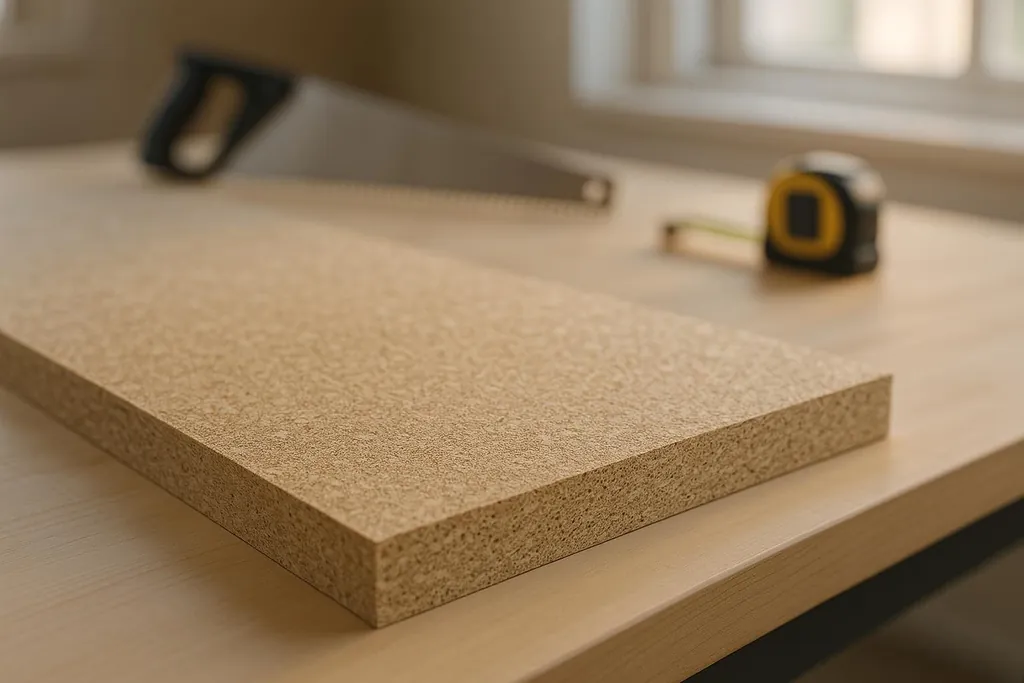
Explore the pros and cons of Blandex boards for DIY projects, comparing their affordability, durability, and environmental impact with other materials.
Blandex Boards Explained: Are They a Smart Choice for DIY Builders?
Updated May 2026 — prices and supplier notes refreshed; core comparison and durability guidance unchanged.
Looking for a material that's affordable, easy to work with, and fits your DIY building needs? Blandex boards might be worth considering. Here's a quick overview:
- Cost: Priced between $15-$35 per sheet, they’re cheaper than plywood but slightly pricier than OSB.
- Durability: Strong enough for most indoor projects but vulnerable to moisture, making waterproofing essential for damp environments.
- Eco-Friendliness: Made from recycled wood fibers, though adhesives can complicate disposal.
- Ease of Use: Lightweight and simple to cut, ideal for beginners or small teams.
Blandex boards are a practical option for interior builds like walls or decorative pieces. However, for heavy-duty or outdoor projects, you might need to explore other materials like plywood or solid lumber. Let’s break down their pros, cons, and how they compare to alternatives.
1\. Blandex Boards
Blandex boards are a type of engineered wood made by compressing wood fibers with adhesives. They’re a versatile material, suitable for both structural and non-structural projects. Let’s dive into their cost, durability, environmental considerations, and ease of use to help you decide if they’re the right fit for your DIY project.
Affordability
In terms of price, Blandex boards sit in the mid-range for engineered wood products. A standard 4x8-foot sheet will typically cost between $15 and $35, making them comparable to oriented strand board (OSB) and less expensive than high-grade plywood.
What sets Blandex apart is the potential for time savings during installation. Thanks to their standardized sizes and relatively lightweight nature, they’re easier to handle and cut than solid lumber. For instance, in a 12x16-foot shed project, using Blandex boards could shave off 3-4 hours of installation time.
However, availability can vary. In rural areas, stock might be limited, and shipping costs could add an extra $50 to $100 to your total. It’s a good idea to check with local suppliers before committing to a design that heavily relies on these boards.
Durability
Blandex boards hold up well under typical conditions. Their compressed wood fiber construction makes them strong enough for interior walls, subflooring, and roof sheathing, with load-bearing capabilities similar to plywood of the same thickness.
That said, moisture exposure is their Achilles’ heel. Prolonged contact with water or high humidity can cause swelling, warping, and deterioration. If you’re building in areas prone to heavy rain or humidity - like the Pacific Northwest or the Southeast - you’ll need to prioritize waterproofing and proper ventilation.
Temperature changes are less of a concern. Blandex boards maintain their shape across a wide range, from \-20°F to 120°F, covering most residential building needs in the continental U.S.
One thing to watch out for is the edge strength. The material near the edges can chip or crumble when cutting or drilling, especially with thinner panels. It’s worth taking extra care during these steps.
Environmental Impact
From an environmental perspective, Blandex boards have pros and cons. On the plus side, they’re made from wood waste and recycled fibers, reducing the need for virgin lumber. This makes them a resource-conscious choice.
However, the adhesives used in manufacturing can raise concerns. Historically, some engineered wood products contained formaldehyde-based resins, which release VOCs (volatile organic compounds). Modern Blandex boards are required to meet CARB Phase 2 standards, limiting formaldehyde emissions to 0.09 parts per million or less. Always check product labels to ensure compliance.
While the production process is energy-intensive, the use of recycled materials offsets some of the environmental impact. Still, when compared to the energy needed to harvest and process solid lumber, the difference isn’t as large as you might think.
At the end of their lifespan, recycling Blandex boards can be tricky due to the adhesives. Most often, they end up in construction waste, though they can sometimes be repurposed for non-structural uses like garden beds or temporary builds.
Ease of Use
For DIY enthusiasts, Blandex boards are generally easy to work with, even if your carpentry skills are basic. They cut cleanly with standard tools like circular saws, table saws, or even handsaws for smaller tasks. Unlike solid wood, they don’t splinter as much, which means cleaner cuts and fewer mistakes.
Fastening is simple - construction screws, nails, or staples work well without the need for pre-drilling in most cases. Just avoid placing screws too close to the edges, as the material there is more prone to crumbling.
A major advantage is their lightweight nature. A 4x8-foot, ½-inch sheet weighs about 40-50 pounds, making it manageable for solo builders. For comparison, a similar sheet of ¾-inch plywood can weigh 60-70 pounds.
The smooth surface of Blandex boards is paint- and stain-friendly, but you’ll want to apply a primer for better results. If you’re leaving the boards exposed, be aware that their look leans more industrial or rustic than polished.
Before installation, let the boards acclimate to your workspace for 48-72 hours. This helps them adjust to local humidity and temperature, reducing the risk of warping or gaps later. Stack them flat with spacers between each sheet to allow for proper air circulation.
2\. Other Common DIY Building Materials
To understand the advantages of Blandex boards, it’s helpful to compare them to other materials commonly used in DIY projects. Here’s a closer look at some popular options, focusing on their cost, durability, environmental considerations, and ease of use.
Affordability
Plywood is a strong, moisture-resistant material, but it tends to be more expensive than Blandex boards. Higher-grade plywood, designed for heavy-duty purposes, comes with an even steeper price tag.
OSB (Oriented Strand Board) is a budget-friendly engineered wood product often used for subflooring and wall sheathing. It’s a great option for projects where cost is a key factor.
Solid lumber falls into a moderate price range but may require additional labor for cutting and assembly, which can add to overall project expenses.
MDF (Medium-Density Fiberboard) has a smooth surface that’s perfect for painting, but its density makes it heavier and harder to handle compared to lighter options like Blandex boards.
Now, let’s see how these materials measure up in terms of durability.
Durability
When selecting materials, performance and longevity are just as important as cost. Here’s how these options compare:
- Plywood: Known for its structural strength, plywood’s layered construction helps it resist splitting and provides good rigidity. It’s commonly used for flooring and roof decking. With proper sealing, it can handle moderate moisture without issue.
- OSB: While OSB performs well in dry conditions and is often used for sheathing, it’s less resistant to moisture. Protecting it from water exposure is essential to maintain its integrity.
- Solid Lumber: Naturally durable if properly maintained, solid lumber’s visible grain allows for easy inspection of imperfections. When used correctly, it can last a long time in various applications.
- MDF: Ideal for indoor uses like shelving and cabinetry, MDF has a smooth surface and consistent performance. However, it’s not suited for areas with high moisture or humidity, as prolonged exposure can cause it to deteriorate.
Environmental Impact
The environmental footprint of these materials varies widely and can influence your choice depending on your priorities.
- Reclaimed Lumber: This is a sustainable option that repurposes wood from older structures. While it reduces the need for new harvesting, its availability can be inconsistent, and it may require extra prep work before use.
- Plywood: The eco-friendliness of plywood depends on how it’s sourced. Certified plywood from sustainably managed forests has a lower environmental impact.
- OSB: Made from fast-growing wood species, OSB is designed to minimize waste. However, like most engineered wood products, its manufacturing process is energy-intensive.
- Solid Lumber: The impact of solid lumber depends on the species and harvesting methods. Softwoods from managed forests generally have a smaller footprint than hardwoods, but processing and transportation also play a role.
- MDF: MDF production involves adhesives that can release emissions. While formaldehyde-free options are available, they may come with higher costs and disposal challenges.
Ease of Use
Ease of handling and installation is another key factor to consider, especially for DIY projects.
- Plywood: Plywood is relatively easy to work with using standard tools. While its layers can splinter if mishandled, using sharp tools and proper techniques reduces this risk. It’s also flexible enough to handle slight adjustments during installation, making it a forgiving choice for beginners.
- OSB: OSB’s durability and uniformity make it practical for construction. Its rough texture, however, requires sharp blades for clean cuts.
- Solid Lumber: Working with solid lumber demands more experience. Factors like grain direction, wood movement, and potential warping require careful planning, making it better suited for those with advanced carpentry skills.
- MDF: MDF is great for projects requiring smooth edges and a polished finish. However, its weight and density can make it harder to manage. It also produces fine dust when cut, so proper precautions are needed to keep the workspace clean.
No matter which material you choose, it’s crucial to let it acclimate to your workspace before starting your project. This simple step helps prevent future issues like warping or gaps after installation.
Advantages and Disadvantages
Let’s take a closer look at the pros and cons of different materials to help you choose the best option for your project. Whether you’re working with a tight budget, aiming for durability, or balancing ease of use, understanding these trade-offs is key.
Blandex boards are lightweight, making them easy to handle and install. This reduces physical strain and speeds up the process, which is a big plus for smaller teams or DIY projects. They’re also budget-friendly, typically costing less than many alternatives. Plus, their uniform composition means you won’t have to deal with knots, splits, or irregular grain that can complicate cutting and assembly.
On the downside, Blandex boards need proper sealing in damp areas to prevent damage. They’re not as strong as solid lumber or high-grade plywood, so they may require extra reinforcement for load-bearing applications. While great for interior projects like partition walls or decorative features, outdoor use demands additional weatherproofing.
Plywood is known for its strength and versatility. Its cross-laminated layers provide excellent structural integrity and resistance to warping, making it a go-to for flooring, roofing, and other structural tasks. However, high-quality plywood can be pricey, and its weight makes handling large sheets a two-person job. Cutting can also cause splintering, so sharp tools are a must.
OSB (Oriented Strand Board) offers great value, especially for subflooring and wall sheathing where aesthetics aren’t a priority. It’s engineered to use wood efficiently and provides sufficient strength for many construction needs. That said, its rough texture isn’t ideal for visible surfaces, and it’s vulnerable to moisture, so water protection is essential.
Solid lumber brings natural beauty and durability to the table. However, working with it requires advanced skills to manage issues like wood movement, warping, and grain direction. Inspecting grain patterns can help spot potential weak points before installation. Pricing varies widely depending on the species and grade, landing it in the moderate-to-high price range.
MDF (Medium-Density Fiberboard) shines in projects requiring smooth, paint-ready surfaces. Its consistent density eliminates concerns about knots or grain, making it ideal for cabinetry, shelving, and trim work. But MDF is heavy, which can make installation challenging, and it doesn’t handle moisture well, limiting its use to dry indoor spaces. Cutting it also produces fine dust, so proper ventilation and protective gear are essential.
Comparing Key Factors
Here’s a quick breakdown of how these materials stack up across different criteria:
| Material | Affordability | Durability | Environmental Impact | Ease of Use |
|---|---|---|---|---|
| Blandex Boards | Budget-friendly ($15-$25 per sheet) | Moderate; best for non-structural uses | Made from recycled materials; lower carbon footprint | Very easy; lightweight and simple to cut |
| Plywood | Moderate to high ($30-$60+ per sheet) | High; strong and moisture-resistant | Varies by sourcing; certified options available | Moderate; sharp tools needed to avoid splintering |
| OSB | Low ($20-$30 per sheet) | Good in dry conditions; moisture-sensitive | Efficient use of fast-growing species; energy-intensive production | Moderate; rough texture requires sharp blades |
| Solid Lumber | Moderate to high ($3-$12 per board foot) | High with proper maintenance | Depends on harvesting practices; certified options preferred | Challenging; requires carpentry experience |
| MDF | Moderate ($25-$40 per sheet) | Low moisture resistance; indoor use only | Adhesive emissions; formaldehyde-free options cost more | Moderate; heavy and produces fine dust |
Choosing the Right Material
Your choice should align with your project’s specific needs. For interior walls or lightweight decorative pieces, Blandex boards are a practical and economical option. If strength is critical, plywood or solid lumber are worth the extra investment. For budget-conscious builders tackling subflooring, OSB offers a solid middle ground. And if you’re after a smooth, paint-ready finish, MDF is the clear winner for dry indoor applications.
Also, consider your skill level. Beginners often find Blandex boards and plywood easier to work with because they’re more forgiving. Solid lumber, on the other hand, requires a deeper understanding of wood behavior. Think beyond the upfront cost - materials that last longer or require less maintenance can save you money in the long run, even if they cost more initially. By weighing these factors, you can make a choice that balances cost, durability, and ease of use for your specific project.
Conclusion
The lack of extensive verified data makes it tricky to form a clear-cut judgment on Blandex boards when it comes to cost, durability, and their impact on the environment. To determine if they’re the right fit for your project, check the latest sources and confirm they align with your local building codes and sustainability objectives. Combine this information with the material comparisons outlined earlier to make well-informed choices for your DIY project.
FAQs
How can I effectively waterproof Blandex boards for damp environments?
To make Blandex boards resistant to moisture in damp areas, begin by cleaning and sanding the surface thoroughly. This step ensures the coating adheres properly. For smaller sections, apply a high-quality sealant, while waterproof paint works better for covering larger areas. For added durability, you might want to use a waterproof membrane, which creates a strong barrier against moisture. Be sure to follow the manufacturer’s guidelines carefully and allow enough drying time between applications. These precautions will help your Blandex boards last longer and perform well, even in tough conditions.
How do Blandex boards compare to materials like reclaimed lumber or certified plywood in terms of environmental impact?
Blandex boards are often considered a greener option because they’re made from fast-growing trees and produced using efficient methods that cut down on waste while encouraging forest regrowth. For DIY enthusiasts aiming to lessen their environmental impact, this can be a solid choice.
On the other hand, reclaimed lumber gives old wood a second life, reducing the need for fresh materials. However, it can be trickier to find and might require more effort to work with. Certified plywood, like [Baltic Birch](https://forestplywood.com/blog/about-plywood/all-about-baltic-birch/), offers another eco-conscious alternative. It’s typically sourced from responsibly managed forests and manufactured with efficiency in mind. Each of these materials has its own advantages, so your decision should align with your project’s environmental priorities and practical requirements.
Are Blandex boards suitable for outdoor projects if treated or reinforced?
Yes, you can use Blandex boards for outdoor projects, but they need proper treatment or reinforcement to handle factors like moisture, temperature shifts, and UV exposure. Applying a durable sealant or weather-resistant coating is crucial to improve their lifespan and shield them from potential damage.
That said, even with these precautions, Blandex boards might not match the performance of materials specifically made for outdoor use. Consider your local climate and the specific demands of your project before deciding if Blandex boards are the best option.