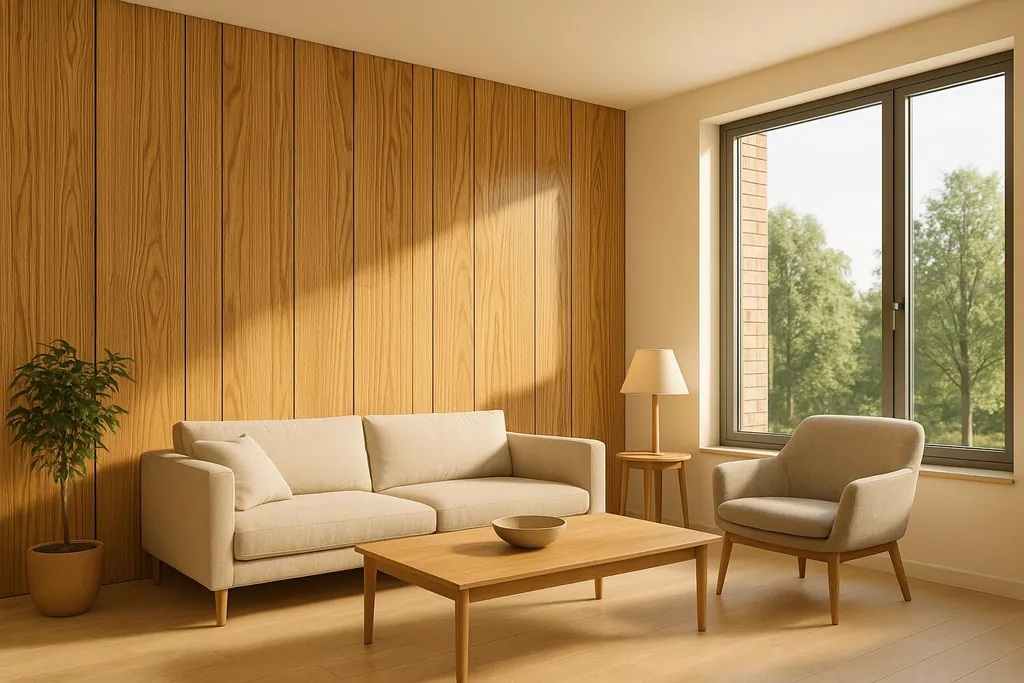
Explore the dual benefits of bamboo acoustic panels for passive houses, combining sound absorption, thermal insulation, and eco-friendliness.
Bamboo Acoustic Panels for Passive Houses
Bamboo acoustic panels offer a dual benefit for passive house construction: noise reduction and thermal insulation, all while supporting eco-conscious building practices. These panels enhance sound absorption thanks to bamboo's natural structure, often combined with felt backing for improved performance. With a Noise Reduction Coefficient (NRC) of 0.50, they reduce ambient noise effectively while adding a modern aesthetic.
Key Highlights:
- Acoustic Performance: Absorbs and disperses sound energy effectively.
- Thermal Insulation: Thermal conductivity below 0.082 W/mK, comparable to traditional insulation materials.
- Eco-Friendly Material: Bamboo grows rapidly (7 years to maturity), absorbs 35% more oxygen than trees, and has a lower carbon footprint.
- Durability: Twice the compressive strength of concrete and tensile strength comparable to steel.
While bamboo panels are visually appealing and environmentally friendly, they come with higher upfront costs, making them ideal for feature walls or specific spaces rather than large-scale use. For passive house builders, combining bamboo panels with more cost-effective insulation materials like cellulose or wood fiber panels can balance performance and budget.
1\. Bamboo Acoustic Panels
Soundproofing
Bamboo acoustic panels are an excellent option for sound absorption, thanks to their naturally porous and fibrous structure. These qualities allow bamboo to absorb and disperse sound energy effectively, making it a great fit for passive house construction where noise control is important . The material's composition - made up of lignin, cellulose, pectin, and hemicellulose - further enhances its ability to absorb sound .
To meet industry standards, a material is considered sound-absorbing if its average absorption coefficient at specific frequencies exceeds 0.2 . Bamboo fiber panels not only meet this benchmark but have also outperformed traditional plywood in sound absorption tests. Their performance is even comparable to glass wool, a widely used acoustic material . The geometry of bamboo fibers - such as their length, diameter, and shape - also plays a role in their soundproofing ability . Compared to other natural materials like cotton and coconut fibers, bamboo provides a balanced solution. While coconut fibers are lighter and require more material for the same effect, bamboo’s density ensures consistent and reliable performance . Natural fibers like bamboo are increasingly recognized for their strong acoustic properties compared to animal and mineral fibers .
These soundproofing benefits set the stage for exploring bamboo's potential in thermal insulation for buildings.
Thermal Insulation
Bamboo panels don’t just excel in soundproofing - they’re also highly effective for thermal insulation. With a thermal conductivity below 0.082 W/mK, they rival conventional insulation materials. For example, studies have shown that a two-row bamboo panel configuration can achieve U-values as low as 1.40 W/m²K, demonstrating its insulation capabilities .
In one study, researchers Al-Rukaibawi et al. tested a steel-bamboo wall system that included mineral wool insulation and two bamboo layers. This setup achieved a thermal transmittance of 0.235 W/m²K for external walls, improving insulation performance by nearly 64% . Another study by Li et al. revealed that prefabricated houses using light steel-bamboo wall structures reduced energy consumption by 26.1% to 48.4% in winter compared to traditional reinforced concrete homes . Bamboo panels also manage moisture effectively with their outer layer while providing solid thermal insulation with their inner layer, making them ideal for maintaining a building’s thermal envelope .
Sustainability
The thermal and acoustic benefits of bamboo are complemented by its environmentally friendly profile. Bamboo grows incredibly fast, reaching maturity in just months instead of decades, and absorbs up to four times more CO₂ than many tree species. This rapid growth reduces its carbon footprint. Plus, bamboo doesn’t require harmful pesticides or fertilizers, and it regrows from the same stalks after harvesting, further enhancing its environmental appeal .
In a study by Yu et al., a bamboo-structured residential building in China - enhanced with vacuum insulation panels - outperformed traditional brick-concrete structures in both energy efficiency and carbon footprint . This makes bamboo panels an attractive choice for passive house projects prioritizing sustainability alongside performance.
Cost
Bamboo panels offer dual benefits of soundproofing and insulation, cutting down the need for separate materials. Their rapid growth cycle - bamboo can be harvested and processed within three years, compared to decades for hardwoods - helps keep prices stable . Additionally, engineered bamboo composites are becoming more common in light-frame construction, offering durability and cost-effective installation . While initial costs may vary depending on processing, the combination of acoustic and thermal properties in a single material ensures long-term value, especially for passive house construction.
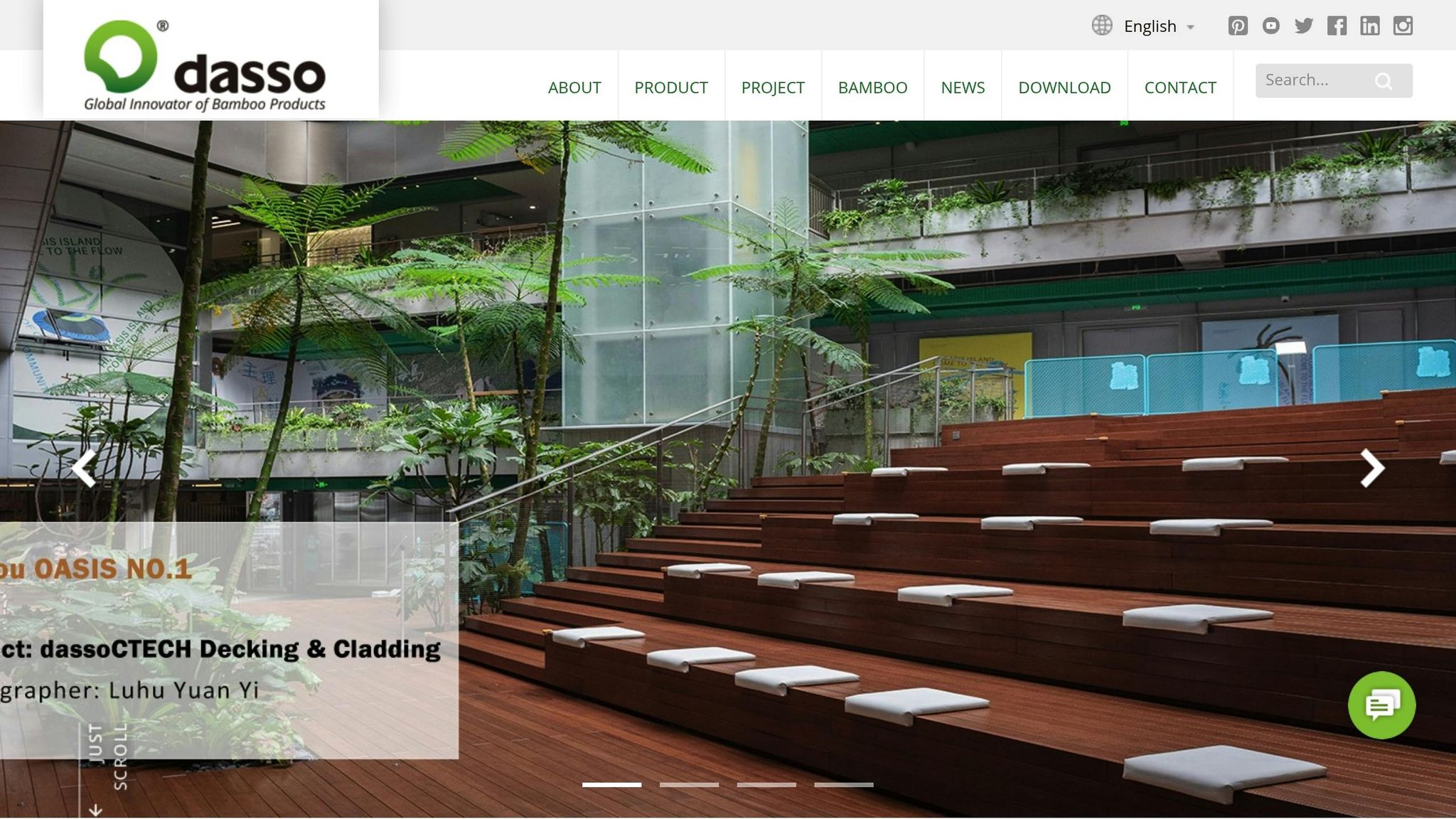
How it's made: dasso's acoustic Bamboo panels.
2\. Wood Fiber Panels
Wood fiber panels deliver impressive sound and thermal performance, making them a strong choice for passive house designs.
Soundproofing
When it comes to acoustic performance, wood fiber panels stand out. They effectively reduce heat loss and block sound transmission, thanks to their natural fibrous structure. This makes them ideal for walls, floors, and ceilings in spaces where noise control is a priority.
> "Wood fibre boards reduce heat loss and sound transmission because of their superior thermal and acoustic insulation qualities." - 2050 Materials
The panels absorb sound energy while also helping to regulate temperature. This dual-purpose functionality makes them a go-to material for builders looking to meet multiple performance goals with one solution. Their sound absorption capabilities complement their already well-established thermal benefits.
Thermal Insulation
Thermal performance is another area where wood fiber panels shine. With thermal conductivity values ranging between 0.037 and 0.047 W/(mK) , they compete effectively with conventional insulation materials while offering additional advantages.
These panels can reduce heat flow by up to 90%, achieving thermal transmittance as low as 0.53 W/m²K - a 37% improvement over uninsulated structures . In fact, interior thermal insulation systems using wood fiberboards have shown energy savings of up to 79% .
One unique feature of wood fiber panels is their phase shift capability. They absorb excess heat during warmer periods and release it gradually during cooler times, helping to maintain stable indoor temperatures. Studies reveal that wood fiber panels can extend the phase shift by 2 hours compared to standard materials, reducing summer overheating and ensuring winter comfort .
> "Wood fibre board insulation plays a key role in creating comfortable indoor climates in winter and in summer." - Stich Consulting & Design
Additionally, these panels are breathable, allowing them to naturally manage moisture by absorbing and releasing it. This helps prevent condensation issues while enhancing thermal mass, making them particularly effective for passive house applications where indoor climate consistency is critical.
Sustainability
Wood fiber panels are an environmentally friendly option. As a renewable resource, wood can be sustainably harvested from well-managed forests. Plus, wood stores carbon - about half its dry weight is carbon - helping offset CO₂ emissions throughout a building's lifecycle .
Modern manufacturing processes use 99% of each log, minimizing waste . Life Cycle Assessments consistently show that wood products outperform alternatives in terms of energy use, pollution, and greenhouse gas emissions .
> "Wood is the ultimate 'green' product - it's renewable, sustainable, recyclable, grown locally, versatile, biodegradable and has a smaller energy, water and carbon life cycle footprint than other products." - Idaho Forests Products Commission
Most wood fiber panels are biodegradable and can be recycled, often alongside other wood and paperboard products. For passive house projects focused on sustainability, look for panels certified by organizations like the Forest Stewardship Council (FSC) to ensure responsible sourcing. These qualities align perfectly with the energy efficiency and environmental goals of passive house designs.
Cost
Wood fiber panels can offer cost advantages by combining thermal and acoustic insulation into one material. This eliminates the need for separate soundproofing solutions, potentially reducing overall project expenses.
The renewable nature of wood also helps stabilize pricing compared to petroleum-based insulation products. Local sourcing in many areas can further cut transportation costs and support regional economies. While initial costs may vary depending on the manufacturer and specifications, the long-term energy savings - up to 79% improvements in efficiency - translate into significant operational cost reductions over time .
Additionally, their high recycling rate and biodegradability contribute to lower end-of-life costs, as these materials can often be repurposed or disposed of with minimal environmental impact.
Wood fiber panels, like bamboo alternatives, address the dual needs of soundproofing and energy efficiency, offering builders a versatile option for achieving passive house standards.
3\. Cellulose Insulation
Cellulose insulation stands out as a sustainable choice that combines exceptional soundproofing and thermal efficiency with eco-conscious construction practices. Made mostly from recycled paper, it fits seamlessly with the environmentally friendly goals of passive house design.
Soundproofing
When it comes to reducing noise, cellulose insulation performs impressively. It not only creates a sound barrier but also absorbs vibrations effectively. In real-world tests, cellulose insulation scored 44 NIC (Noise Isolation Class) points, compared to 40 NIC points for fiberglass batts. This translates to a 60% reduction in sound power. In fact, cellulose insulation can rival or even surpass the performance of 4-inch fiberglass sound-control batts in limiting noise .
Thermal Insulation
Cellulose insulation also excels in thermal performance, with an R-value ranging from 3.1 to 3.8 per inch. Its thermal conductivity, approximately 40 mW/m·K, paired with dense-packed installation techniques, minimizes air leakage and enhances its insulating capability. High-quality cellulose insulation can cut heating and cooling costs by as much as 20%, and in many cases, it outperforms fiberglass by reducing energy bills an additional 20–30%. Thanks to its density - two to three times greater than fiberglass - it helps maintain steady indoor temperatures throughout the year .
Sustainability
Beyond its performance, cellulose insulation is a win for the environment. Composed of roughly 85% recycled material - primarily post-consumer recycled newspaper - it significantly reduces landfill waste . Its production process is energy-efficient, with one of the lowest embodied energy levels among insulation products, and it generates far fewer greenhouse gas emissions compared to fiberglass or foam. Additionally, cellulose insulation traps carbon, contains no volatile organic compounds (VOCs), and is non-toxic, making it a safe and eco-friendly choice for construction. Its combination of sustainability and performance makes it ideal for meeting passive house standards .
Cost
Cellulose insulation is also an economical option for passive house projects. Installation costs for blown-in applications typically range between $1.20 and $2.80 per square foot, while DIY installations can lower material costs to as little as $0.35–$1.50 per square foot. Here's a quick cost breakdown:
| Installation Type | Cost Range per sq ft |
|---|---|
| Wet-spray cellulose (new construction) | $0.60 – $2.00 |
| Dense-pack cellulose (remodeling) | $1.60 – $4.20 |
| Blown-in cellulose (average) | $1.20 – $2.80 |
Labor costs typically range from $0.70 to $1.70 per square foot, and renting a blower machine costs about $100 to $200 per day . Over time, the energy savings achieved with cellulose insulation help offset these upfront costs, making it a practical and budget-friendly choice for passive house builders .
Advantages and Disadvantages
Bamboo acoustic panels, wood fiber panels, and cellulose insulation each bring distinct strengths and trade-offs to the table. Understanding these differences helps builders match materials to their project goals, especially for passive house construction.
Bamboo acoustic panels stand out for their eco-friendliness. Recent data shows a carbon footprint as low as –2.74 kg CO₂ per kilogram, making them a highly sustainable option . However, this comes with higher upfront costs, starting at $89.99 per panel . While bamboo panels offer a sleek, premium look and strong environmental credentials, their acoustic performance is not as optimized as other materials, making them ideal for projects prioritizing visible sustainability over soundproofing.
Wood fiber panels provide a middle ground between performance and sustainability. Their porous structure effectively absorbs sound, reducing echo and reverberation. For example, TimberHP Wood Fiber Insulation boards are priced around $15.50 per board . Like bamboo, wood fiber panels often have a negative carbon footprint . However, they are slightly less effective at sound absorption compared to specialized materials like fiberglass or foam . This makes them a practical choice for projects needing a balance of affordability, sustainability, and moderate acoustic performance.
Cellulose insulation excels in both thermal and acoustic performance. With R-values ranging from 3.1 to 3.8 per inch, it offers excellent thermal insulation while also dampening sound effectively. Made from up to 85% recycled materials, it is an environmentally friendly option . Its affordability - typically costing $1.20 to $2.80 per square foot - makes it a strong contender for passive house projects aiming to meet high performance standards without breaking the budget.
Here's a quick comparison of their key features:
| Material | Soundproofing | Thermal Performance | Sustainability | Cost Range |
|---|---|---|---|---|
| Bamboo Acoustic Panels | Moderate | Limited | Excellent (≈ –2.74 kg CO₂/kg) | Starting at $89.99 per panel |
| Wood Fiber Panels | Effective at reducing echo | Moderate | Very good (negative carbon footprint) | ≈ $15.50 per board |
| Cellulose Insulation | Effective acoustic performance | Excellent (R-3.1–3.8 per inch) | Excellent (up to 85% recycled content) | ≈ $1.20–$2.80 per sq ft |
It's also worth noting that panelized systems, such as bamboo and wood fiber panels, can cut construction time by 55% and reduce labor costs by 41% compared to traditional methods . On the other hand, cellulose insulation's blown-in application offers its own time-saving advantages for installation.
For passive house projects, cellulose insulation often delivers the best overall value due to its strong thermal and acoustic performance at a reasonable price. Bamboo panels, while more expensive, are ideal for projects that emphasize visible eco-friendly materials, and wood fiber panels strike a balance between cost, performance, and sustainability. Ultimately, the choice depends on whether your focus is on maximum efficiency, aesthetic sustainability, or a mix of both.
Conclusion
Based on the data discussed, bamboo acoustic panels stand out for their eco-friendly attributes but may not always be the most cost-effective option for passive house projects.
These panels provide strong acoustic performance and a natural aesthetic, but their higher price compared to alternatives like cellulose insulation or wood fiber panels can make them less viable for extensive use in large-scale projects. While they bring a combination of sustainability and visual charm, their cost suggests they are better suited for specific applications rather than widespread use in passive house construction.
Bamboo acoustic panels shine in areas like living rooms, home offices, or feature walls, where their natural texture and eco-friendly appeal can elevate the overall design. A balanced approach often works best - using affordable materials for large-scale thermal and acoustic needs while reserving bamboo panels for spaces where their unique qualities can make the most impact.
FAQs
Are bamboo acoustic panels a cost-effective choice for passive house construction?
Bamboo acoustic panels are a budget-friendly option for passive house projects, usually priced between $1 and $3 per square foot. These panels deliver impressive sound absorption, rivaling traditional materials like glass wool, while being lightweight and environmentally friendly.
What sets bamboo apart is its fast growth rate and natural insulating properties, making it an energy-efficient material for passive houses. Its blend of cost-effectiveness, eco-friendliness, and performance makes it a smart choice for soundproofing and maintaining energy efficiency in sustainable construction projects.
What makes bamboo acoustic panels an eco-friendly choice for passive house construction?
Bamboo acoustic panels are a smart, eco-conscious choice for passive house construction. Bamboo's rapid growth makes it a renewable resource, helping to combat deforestation. Plus, it naturally absorbs large amounts of carbon dioxide during its growth, which can significantly reduce your home's carbon footprint.
What’s more, bamboo thrives with minimal water and is fully biodegradable, meaning it won’t add to long-term waste. These features make bamboo acoustic panels an ideal option for energy-efficient homes that prioritize environmentally friendly building practices.
Are bamboo acoustic panels a cost-effective option when combined with other insulation materials for passive houses?
Bamboo acoustic panels can be an affordable and eco-friendly option when used alongside other insulation materials in passive houses. As a renewable material with strong soundproofing capabilities, bamboo is a great choice for boosting acoustic comfort in energy-efficient homes. When combined with traditional insulation materials, it can improve both thermal insulation and noise reduction, creating a quieter and cozier living space.
For the best results, focus on installing bamboo panels in areas where soundproofing is most essential, like walls or ceilings in busy parts of the house. Pairing bamboo with materials such as mineral wool or cellulose insulation can strike a good balance between cost-effectiveness and energy savings. Be sure to work with a building professional to confirm that your choices align with your passive house design and local [building codes](/blog/building-permit-guide-requirements-for-off-grid-homes-in-canada).