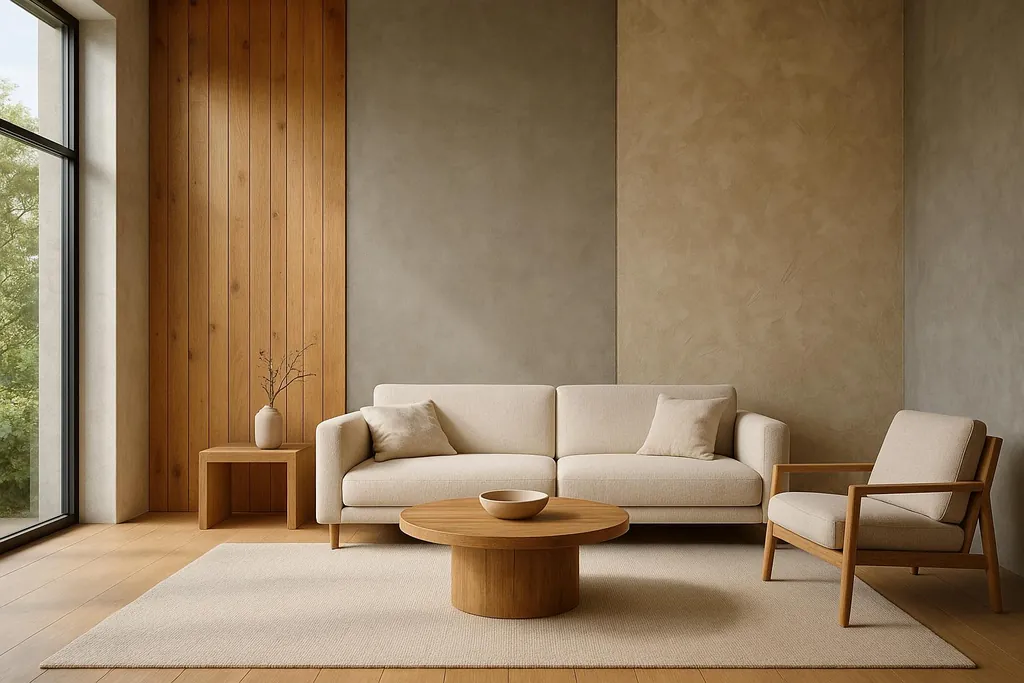
Explore durable, eco-friendly drywall alternatives like wood paneling, lime plaster, and reclaimed materials for walls and ceilings.
16 Drywall Alternatives That Look Better and Last Longer
Drywall is popular but comes with serious downsides: poor durability, susceptibility to moisture, harmful VOC emissions, and significant environmental concerns. Its production is energy-intensive, depletes natural resources, and generates waste that piles up in landfills. In fact, embodied carbon -- the total emissions from extracting, manufacturing, transporting, and disposing of building materials -- accounts for 11% of global greenhouse gas emissions. Much of that happens before construction even begins.
If you're seeking options that are stronger, more moisture-resistant, and eco-friendlier, here are sixteen alternatives to consider:
- Wood Paneling: Durable, warm, and easy to install. Costs $3.00--$12.00 per sq ft.
- Plaster (Lime, Clay, and Venetian): Long-lasting with a smooth or textured finish. Costs $2.50--$8.00 per sq ft.
- Bamboo Panels: A fast-growing, eco-friendly option with natural tones. Costs $4.00--$10.00 per sq ft.
- Magnesium Oxide Board (MGO): Fire, water, and pest-resistant with a Class A fire rating. Costs $1.50--$4.00 per sq ft.
- Hempcrete Panels: Carbon-negative and mold-resistant. Costs $5.00--$15.00 per sq ft.
- Recycled Gypsum Board: Moisture-resistant and eco-conscious. Costs $1.20--$2.50 per sq ft.
- Fiber Cement Board: Strong and moisture-resistant. Costs $2.00--$6.00 per sq ft.
- Agricultural Fiber Panels: Made from crop byproducts, durable, and biodegradable. Costs $2.50--$7.00 per sq ft.
- Glass-Mat Panels: Water and fire-resistant with fiberglass reinforcement. Costs $1.80--$4.50 per sq ft.
- Modular Wall Systems: Pre-fabricated panels for flexible designs. Costs $8.00--$25.00 per sq ft.
- Cork Panels: Renewable, sound-absorbing, and naturally fire-resistant. Costs $2.00--$12.00 per sq ft.
- Plywood Panels: Impact-resistant with a natural wood finish. Costs $0.75--$2.00 per sq ft.
- Rammed Earth: Stunning thermal mass walls from local soil. Costs $10.00--$25.00 per sq ft.
- Straw Bale: Excellent insulation with high R-values for cold climates. Costs $3.00--$8.00 per sq ft.
- Mycelium-Based Plaster: Mushroom-root bio-material that's carbon-negative. Costs $4.00--$10.00 per sq ft.
- Synthetic Gypsum Board: Up to 96% recycled industrial byproduct. Costs $0.50--$1.50 per sq ft.
Each option offers unique benefits in durability, moisture resistance, and eco-friendliness. Below is a quick comparison to help you decide.
What Are Eco-friendly Alternatives For Drywall? - LearnToDIY360.com

Clay Plaster Made with Toilet Paper - So Simple to Apply Over Almost Any Surface
Fast & Final Walls: No Tape, Mud or Paint | Durable and Easy to Clean
Quick Comparison
| Material | Durability | Moisture Resistance | Cost (per sq ft) | Best Use Cases |
|---|---|---|---|---|
| Wood Paneling | High | Moderate | $3.00--$12.00 | Living rooms, bedrooms |
| Plaster | Very High | High | $2.50--$8.00 | Kitchens, bathrooms |
| Bamboo Panels | High | Moderate | $4.00--$10.00 | Eco-friendly homes |
| Magnesium Oxide Board | Very High | High | $1.50--$4.00 | Bathrooms, basements |
| Hempcrete Panels | High | High | $5.00--$15.00 | Living spaces |
| Recycled Gypsum Board | Moderate | High | $1.20--$2.50 | Standard rooms |
| Fiber Cement Board | Very High | Very High | $2.00--$6.00 | Wet or high-traffic areas |
| Agricultural Fiber Panels | Moderate | Moderate | $2.50--$7.00 | Bedrooms, offices |
| Glass-Mat Panels | High | Very High | $1.80--$4.50 | Bathrooms, laundry rooms |
| Modular Wall Systems | Very High | High | $8.00--$25.00 | Offices, large spaces |
| Cork Panels | Good | Good | $2.00--$12.00 | Home offices, accent walls |
| Plywood Panels | Very Good | Poor-Moderate | $0.75--$2.00 | Hallways, workshops |
| Rammed Earth | Very High | High | $10.00--$25.00 | Southwest-style homes |
| Straw Bale | High | Moderate | $3.00--$8.00 | Cold-climate builds |
| Mycelium-Based Plaster | Moderate | Moderate | $4.00--$10.00 | Interior feature walls |
| Synthetic Gypsum Board | Moderate | Poor | $0.50--$1.50 | General interior walls |
These options cater to different needs and budgets, offering better durability, moisture resistance, and eco-friendly alternatives to drywall.
Understanding Thermal Mass vs. Insulation
Before diving into individual materials, it helps to understand two key concepts that affect wall performance: thermal mass and insulation.
Thermal mass refers to materials like rammed earth or adobe that absorb heat during the day and release it slowly at night, helping to stabilize indoor temperatures. This makes thermal-mass walls ideal for areas with large temperature swings between day and night, such as the Southwest.
Insulation, by contrast, resists heat flow in either direction. Materials like hempcrete and straw bales are excellent for keeping warmth in during winter and blocking heat out during summer. These materials tend to perform best in climates with more consistent temperatures, such as the humid Southeast or the cold Northeast.
For regions with moderate conditions, like the Pacific Northwest, a combination of both properties might be the best approach. Understanding this distinction will help you choose the right material for your specific climate.
1\. Wood Paneling
Wood paneling brings a natural, inviting warmth to any space while offering impressive durability. Gone are the days of outdated designs - modern wood paneling now comes in a variety of styles like vertical slats, shiplap, board-and-batten, and plywood. Each option adds its own charm and texture, combined with the longevity that makes wood a smart choice for your walls.
Products like Stikwood peel-and-stick reclaimed wood planks make the process incredibly accessible. These planks are FSC-certified and free of VOCs, allowing you to complete a project in just a day using basic tools. As one satisfied customer shared: "It's just a beautiful way to break up the monotony of drywall!"
Let's break down its main advantages, starting with its durability.
Durability
Wood paneling is built to last. With proper care, it can handle minor wear and tear through simple refinishing - something drywall can't easily manage. Unlike drywall, which is prone to cracks and chips, wood panels maintain their structural integrity even with regular use. Wood paneling also naturally absorbs sound, contributing to a quieter and more comfortable living space compared to drywall's limited acoustic control.
Sustainability
When responsibly sourced, wood paneling can be a more eco-friendly option. Reclaimed wood, for example, gives new life to materials that might otherwise be discarded, while reducing the need for fresh timber. Using reclaimed hardwood generates 175 kg CO2-e/m3 compared to 240 kg CO2-e/m3 for new wood, while unmanaged wood waste can emit a staggering 1,030 kg CO2-e/m3 due to methane emissions. The demand for reclaimed lumber is on the rise, with the market expected to hit $36.77 billion by 2033.
If you're purchasing new wood, look for certifications like those from the Forest Stewardship Council (FSC) to ensure it comes from sustainably managed forests. Compared to the energy-intensive production process of drywall - which is also non-biodegradable - wood paneling stands out as a renewable and biodegradable alternative. Plus, at the end of its lifespan, wood can often be recycled or composted.
Ease of Installation
The installation process for wood paneling can vary based on the style and your level of expertise. Pre-finished plywood panels are a popular DIY option, needing only basic tools for cutting and nailing. In many cases, these panels can even be installed directly over existing drywall, making them a convenient choice for renovations.
For reclaimed wood panels, let them acclimate to your space for 48 hours to prevent warping or shrinking. Measure your wall space carefully, locate studs with a stud finder, and pre-drill holes to prevent splitting near edges. A pneumatic nail gun speeds things up, but finish nails work well for smaller projects.
For those with more experience, traditional tongue-and-groove planks require careful wall preparation but remain manageable. Unlike drywall, which involves multiple steps like mudding, taping, sanding, priming, and painting, most wood paneling only requires trim to cover the joints. Pre-finished panels eliminate the need for painting altogether, saving both time and effort.
Cost (in USD)
While wood paneling has a higher upfront cost, it can balance out over time due to lower labor expenses. Material prices vary depending on the type of wood. Basic plywood paneling typically costs between $1.50 and $3.00 per square foot, while high-end hardwood options range from $8 to $15 per square foot. By comparison, drywall materials are more affordable, averaging $0.50 to $0.62 per square foot.
However, labor costs for wood paneling are often lower. For an average-sized room, installing quality wood paneling may cost between $2,000 and $6,000, while drywall installation is usually closer to $1,500. Although the initial investment is higher, wood paneling's durability and lower maintenance needs can make it a more cost-effective choice in the long run.
Maintenance
Reclaimed wood thrives with regular dusting and an occasional polish using natural oils, which helps prevent cracking and keeps the surface looking rich. Keep in mind that wood can warp in areas with high moisture, so proper sealing is essential in bathrooms or kitchens.
With its blend of style, strength, and eco-conscious benefits, wood paneling remains a standout option for interior walls.
2\. Plaster (Lime, Clay, and Venetian)
After exploring the natural charm of wood paneling, plaster emerges as another strong and eco-friendly choice. It can turn walls into sleek or textured masterpieces, ready to be painted or admired in their natural state. Unlike the flat, uniform look of drywall, plaster brings depth and character, elevating a room's overall aesthetic. Unlike drywall -- which involves taping, mudding, and multiple finishing coats -- plaster can be applied directly to walls, cutting out several labor-intensive steps.
Plaster comes in several varieties, including lime, gypsum, clay-based, and Venetian options. Each type has its own perks. Let's explore them in detail.
Lime Plaster
Lime plaster stands out for its breathability and flexibility, which help prevent cracking and extend a building's lifespan - sometimes exceeding 100 years. What's more, lime plaster can reabsorb about 50% of the carbon dioxide it produces during manufacturing as it hardens, eventually transforming back into limestone. Its water-resistant properties make it an excellent choice for moisture-prone areas like bathrooms, kitchens, and coastal homes.
For pricing, Eco Stucco's DecoLime costs around $140 for a 55-pound bag, covering approximately 100 square feet. Alternatively, LimeStrong Artisan's Stone plaster is priced at about $100 for a 32-pound bag covering the same area. In areas with heavy foot traffic, applying a sealer to limewash finishes can provide extra durability.
> "Earthen plaster brings the outdoors in, creating a living, breathing wall." > -- Central Indiana Stucco Repair
Clay Plaster
Clay plaster is particularly effective in managing indoor humidity levels, keeping them between 30% and 60% while reducing airborne pollutants by up to 40%. Research shows it can absorb odors and certain volatile organic compounds (VOCs), contributing to fresher, healthier air. Its earthy tones and ease of repair make it a favorite among DIY enthusiasts. Clay plaster is ideal for dry spaces like living rooms and bedrooms.
American Clay's Enjarre plaster is a popular choice, costing about $75 for a 63-pound bag that covers roughly 100 square feet. This biodegradable material offers warm, inviting textures.
Venetian Plaster
Venetian plaster offers a combination of beauty and functionality. Known for its polished, marble-like finish, it brings depth and elegance to interior spaces. Modern versions -- such as Moroccan Clay DIY Matte Plaster and Neo Plaster -- are designed to be user-friendly, often requiring fewer coats than traditional applications. LimeStrong Artisan's Marble mineral plaster costs about $115 for a 30-pound bag, which covers up to 300 square feet.
Applying Venetian plaster requires skillful troweling, with each layer building on the last to create a smooth, lustrous surface. The result is a stunning finish with subtle variations in tone and texture, offering a level of sophistication that standard drywall can't achieve. Venetian plaster is a strong choice for busy areas that see a lot of wear and tear, and for spaces like Tadelakt-finished wet rooms.
> "Natural materials are truly unique! By virtue of their materiality, they capture the nuances of the hand of the artisan." > -- Earthly Yours
Shared Plaster Benefits
All natural plasters share several advantages: they are highly breathable, allowing moisture vapor to pass through, which helps prevent mold and mildew. They also provide excellent thermal performance, absorbing and storing heat to maintain comfortable indoor temperatures. They are biodegradable and provide natural thermal and acoustic insulation, leading to noticeable savings on heating and cooling costs over time.
Installation Process
Applying plaster takes more skill and time than installing drywall since it involves multiple layers and drying periods. Begin by removing any wallpaper, loose paint, or debris, then clean the surface thoroughly. If you're working with new drywall or concrete, apply a primer designed for natural plasters to prevent the substrate from absorbing moisture too quickly.
For clay plaster, you'll need a hawk, trowels in various sizes, and a spray bottle for misting. Mix the plaster to the consistency of thick yogurt and apply a thin, even coat to a small 3-foot section at a time, working from the bottom upward.
Lime plaster requires extra caution because of its caustic nature. Always wear gloves, long sleeves, and eye protection. Mix to a creamy texture and apply two to three thin coats, allowing 24-48 hours of drying time between layers. Traditional three-coat lime plaster involves a rough base coat, a smoother middle coat, and a final finish coat.
Aim for conditions between 50-80 degrees F with moderate humidity. Avoid working in extreme heat or cold, as this can lead to uneven drying or cracking. Modern pre-mixed options have made it easier for DIY enthusiasts to tackle smaller projects.
Cost Factors
Plaster does come with higher upfront costs for materials and labor compared to drywall. However, its long-lasting nature and minimal upkeep often make it a worthwhile investment in the long run. Clay plasters are more forgiving for beginners since they stay workable longer, while lime plaster demands more precision but rewards you with century-spanning durability.
3\. Bamboo Panels
Bamboo panels bring together an appealing mix of eco-friendliness and aesthetic charm. As a fast-growing material, bamboo offers a greener alternative to more resource-heavy options. Its natural texture and warm tones can instantly elevate the ambiance of a room, making it a popular pick for those looking to combine sustainability with stylish interior design. Perfect for environmentally conscious renovations, bamboo panels add both character and a touch of nature to any space.
4\. Magnesium Oxide Board (MGO)
Magnesium Oxide Board (MGO) stands out as a durable and environmentally friendly alternative to traditional drywall. It's designed to handle tough conditions while offering sustainable benefits. MgO boards are crafted from magnesium oxide, a mineral sourced from natural deposits -- unlike traditional drywall, which sandwiches gypsum between paper. The absence of paper facing makes them inherently resistant to moisture damage, sidestepping common issues like mold and mildew.
Durability
MGO board is built to last, boasting resistance to fire, moisture, and pests, which sets it apart from standard drywall. It carries a Class A fire rating (non-combustible), making it a top performer in fire safety -- ideal for kitchens, garages, and workshops. While regular drywall can crumble when exposed to water or become a fire hazard, MGO board maintains its strength even in demanding environments. This makes it a reliable choice for areas prone to high humidity, like bathrooms and kitchens, where traditional drywall often warps or develops mold. Its excellent impact resistance also makes it well-suited for high-traffic areas.
Sustainability
When it comes to being eco-conscious, MGO board checks many boxes. Its production process uses 50% less energy than traditional drywall, significantly cutting its carbon footprint. Plus, it's recyclable and compostable, reducing landfill waste. Unlike some building materials that emit harmful chemicals, MGO board is low in VOCs and free from formaldehyde, promoting healthier indoor air quality. Its non-toxic ingredients make it a safer choice for both the environment and indoor living.
Ease of Installation
Installing MGO board can be more labor-intensive and may require specialized cutting tools, which leads to higher installation costs. However, its exceptional durability means fewer repairs and replacements down the line, potentially balancing out the initial investment over time.
Cost (in USD)
MGO board is priced between $1.50 and $3.00 per square foot for materials. Homeowners should be prepared for increased costs for both materials and labor. That said, its resilience against moisture and fire, combined with its long lifespan, can lead to substantial savings over the years by minimizing maintenance and replacement expenses.
5\. Hempcrete Panels
Hempcrete panels are crafted by combining hemp fibers (hurds) with a lime-based binder, presenting an eco-friendly alternative to traditional drywall. The result is a lightweight, insulating bio-composite that actively absorbs and stores CO2 from the air.
Sustainability
One standout feature of hempcrete panels is their carbon-negative nature -- they absorb more CO2 than they emit throughout their lifecycle. On top of that, they offer excellent insulation, helping to maintain comfortable indoor temperatures. Hempcrete is free from toxic chemicals and VOCs, making it a healthier choice for both builders and the environment. At the end of its life, hempcrete can be naturally recycled, minimizing its overall environmental footprint.
Durability
Hempcrete isn't just about being environmentally friendly; it's built to last. European homes built with hempcrete have stood the test of time, showcasing resistance to fire, pests, and mold. These panels resist cracking and general wear, making them a durable choice. They also hold up well against water exposure, seismic activity, and extreme weather. Their insulation capabilities contribute to better energy efficiency, which can lower heating and cooling costs over time.
Important note: Hempcrete is not load-bearing. It needs a structural frame -- usually made of wood or steel -- to provide support. If steel is used, it should be treated or painted to prevent corrosion caused by the lime binder.
Indoor Air Quality
Thanks to hempcrete's breathability, it allows moisture to pass through, which helps regulate humidity and prevents mold or mildew. Additionally, its structure reduces noise, creating a quieter and more comfortable indoor environment. Its nontoxic makeup contributes to better indoor air quality compared to traditional drywall, which can release chemicals linked to respiratory problems.
DIY Installation
For DIY projects, hempcrete offers a user-friendly option -- though it does require preparation. A typical mix involves 1 part lime binder to 2-3 parts hemp hurds by volume. Unlike traditional concrete, hempcrete has a longer workability period, making adjustments easier during installation. However, structural framing should be planned with experienced professionals to ensure safety. Curing time can be influenced by temperature and humidity. When finishing hempcrete walls, opt for breathable, eco-friendly finishes like lime plaster to preserve its moisture-regulating properties.
Hemp wall panels are also available as pre-fabricated panels for quick and easy installation. While they aren't structural, they excel at soundproofing and enhancing indoor air quality, and can be installed using standard tools.
Cost (in USD)
For a standard 10x20 ft area, traditional drywall panels (4x8 ft) cost around $12.30--$15.72 each, totaling approximately $300--$400. In comparison, hempcrete panels for the same space range from $500 to $800. This price difference reflects their higher production costs and limited availability.
6\. Recycled Gypsum Board
Recycled gypsum board, often called greenboard, is an eco-conscious option that transforms waste gypsum into a moisture-resistant material. It offers an alternative to traditional drywall while helping to reduce environmental waste.
Sustainability
Greenboard contributes to a circular economy by repurposing waste materials and minimizing landfill contributions. Around 20% of the gypsum used in the United States comes from recycled sources. Manufacturers are also adopting production methods that incorporate recycled content, further reducing their environmental footprint. This makes recycled gypsum board a practical choice for those seeking reliable performance in a more sustainable package.
Durability
Recycled gypsum board excels in high-moisture areas like bathrooms, basements, and laundry rooms. Its moisture-resistant properties help prevent mold and mildew, while the gypsum core naturally resists fire. However, like standard drywall, it can be prone to dents, cracks, and other surface damage, especially in areas with heavy foot traffic. Recycled gypsum panels match traditional gypsum in fire resistance and overall performance when produced to high standards.
Ease of Installation
When it comes to installation, recycled gypsum board works just like traditional drywall. It's available in standard 4x8-ft sheets, designed to fit typical framing systems, and can be installed using standard drywall tools and methods. This makes it a straightforward choice for both professionals and DIY enthusiasts.
7\. Fiber Cement Board
Fiber cement board is a specially designed wall material made from a mix of cement, sand, and cellulose fibers. This combination gives it impressive resistance to moisture, fire, and physical damage, making it a solid alternative for spaces where traditional drywall might fall short. Fiber cement sheets are priced between $12 and $14 per 3x5 sheet, which is more expensive than traditional sheetrock, but their durability justifies the cost.
Durability
One of the standout features of fiber cement board is its long-lasting nature. The cement-based structure makes it resistant to moisture, helping to prevent mold and mildew in damp environments. Its natural fire resistance and sturdy construction mean it can handle the daily wear and tear of high-use areas like basements, garages, or busy hallways. It requires little upkeep and is built to last.
Environmental Considerations
Fiber cement board is made from materials that are widely available, and some manufacturers include recycled content to minimize waste. This aligns with eco-conscious building trends. However, it's worth noting that cement production contributes to carbon emissions. That said, the material's extended lifespan can reduce the frequency of renovations or replacements, potentially offsetting its initial environmental impact over time.
Installation Tips
Installing fiber cement board requires a bit more effort compared to standard drywall because of its significantly heavier weight -- often requiring two people for handling. Proper tools are essential: use specialized cutting equipment and wear protective gear to avoid exposure to dust. The boards are secured to wall framing with corrosion-resistant screws, and closer screw spacing is advised to ensure the material stays firmly in place. Their industrial aesthetic also makes them a great choice for modern or minimalist interior styles. While installation may require extra care, its durability and performance make it a great choice for moisture-prone or high-traffic areas.
Cost (in USD)
Fiber cement board is more expensive upfront than drywall, but its durability and minimal maintenance often translate into long-term savings. To manage costs, it can be strategically used in areas that see heavy use or are exposed to moisture, balancing its benefits with your budget.
8\. Agricultural Fiber Panels
Agricultural fiber panels provide a clever wall solution by repurposing agricultural byproducts like wheat straw, rice hulls, and corn stalks - materials that might otherwise be burned or discarded. The process involves gathering crop residues, thoroughly cleaning them, and binding them with formaldehyde-free adhesives to produce dense, textured boards with a natural aesthetic.
Products like Breathaboard incorporate hemp or canola stalks mixed with lime, pressed between sheets of paper. The natural lime cycle absorbs CO2 and forms calcium carbonate, binding the panels together. To put the environmental impact into perspective: replacing traditional drywall with compressed strawboard in a standard house could result in storing 6,357 kilograms (about 14,000 pounds) of CO2, instead of emitting 965 kilograms (around 2,130 pounds). That's a shift of over 7,300 kilograms (roughly 16,100 pounds) of CO2 per home.
Tom Robinson, a former plasterer and contractor at Adaptavate, highlights the potential:
> "This investment will enable us to revolutionize the way construction materials are made without forcing any change on end users. We're using industrial carbon absorbing processes to produce a healthier, high performance product that is better for the health of people and planet and a genuine drop-in replacement for gypsum plasterboard."
Durability
These panels are built to last. Their compressed fiber structure gives them impressive strength, making them more resistant to dents and impacts than traditional drywall. When installed and maintained properly, they can retain their shape and integrity for decades. Plus, their fibrous composition naturally adds insulation and soundproofing, often eliminating the need for additional materials. Breathaboard's alkaline nature makes it naturally resistant to mold and bacteria, and unlike conventional drywall, which can release harmful hydrogen sulfide gas when exposed to moisture, Breathaboard remains safe even in damp conditions.
However, moisture is a critical factor. While they can handle typical household humidity, extended exposure to water or consistently damp conditions can lead to swelling or deterioration. This makes them a great choice for spaces like living rooms, bedrooms, and offices, but less ideal for bathrooms or basements unless proper moisture barriers are in place.
Beyond durability, these panels stand out for their environmental advantages.
Sustainability
By utilizing agricultural waste that might otherwise be burned, these panels help curb agricultural pollution while creating practical building materials. Their production requires much less energy compared to traditional options like cement or steel. Breathaboard's breathability and moisture-buffering capabilities passively regulate indoor moisture, reducing pollutants, preventing condensation, and minimizing the risk of mold or mildew.
At the end of their lifecycle, many of these panels are fully biodegradable and compostable, turning into fertilizer instead of waste. Unlike synthetic materials that can linger in landfills for decades, these panels close the loop on sustainability. With raw materials sourced locally, transportation emissions are reduced, keeping the carbon footprint low.
Another bonus: these panels are made without formaldehyde or volatile organic compounds, promoting better indoor air quality and reducing environmental impact compared to conventional building materials.
Ease of Installation
Installing agricultural fiber panels is straightforward and similar to other panel systems, making them a solid option for DIY projects. They can be cut with standard woodworking tools, though a fine-tooth saw blade is recommended to avoid frayed edges.
Their lightweight design makes them easier to handle compared to heavier materials like fiber cement board. You can use standard wood screws to attach them to wall studs, and they hold fasteners securely without cracking or splitting. Plus, they're versatile when it comes to finishes, accepting paint, stain, or other treatments with ease.
One thing to keep in mind during installation: cutting the panels can generate dust, so wearing a mask is a smart precaution.
Cost (in USD)
Agricultural fiber panels are priced between $1.25 and $4.00 per square foot, putting them in the budget-friendly to mid-range among drywall alternatives. Their durability and minimal maintenance needs make them a strong long-term investment. Plus, their natural thermal and acoustic properties can save on insulation costs.
In some areas, tax incentives or rebates for using sustainable materials might help offset the upfront costs, adding even more value to this eco-conscious choice.
9\. Glass-Mat Panels
Glass-mat panels, often called fiberglass-faced drywall or fiberglass-reinforced panels, swap out the traditional paper facing for a tough fiberglass mat. These panels combine the familiar gypsum core of standard drywall with the added durability of fiberglass, making them a reliable choice for demanding environments.
The fiberglass surface gives these panels a clear edge: they handle moisture, impacts, and fire exposure much better than regular drywall. This makes them an excellent fit for spaces where traditional drywall typically struggles, like basements, bathrooms, and laundry rooms. Let's dive into what makes them so durable.
Durability
Glass-mat panels stand out for their durability in several ways. Their fiberglass surface is highly water-resistant, which makes them ideal for humid areas, as they resist moisture damage and help prevent mold growth - something that's often a problem with standard drywall. The fiberglass also makes them scratch-resistant and fire-resistant, ensuring they hold up well even in high-traffic or challenging spaces.
Longevity and Environmental Benefits
Thanks to their long lifespan and low maintenance needs, glass-mat panels are a smart choice for reducing waste. Their resistance to mold and moisture damage means they last far longer than traditional drywall, cutting down on replacements and repairs over time. Plus, they maintain the fire resistance of standard drywall while offering superior protection against mold, which helps reduce their overall environmental footprint.
Installation Process
Installing glass-mat panels is much like working with regular drywall. They can be attached to wood or metal framing using standard tools and fasteners. However, the fiberglass texture can create a slightly uneven finish, making painting a bit tricky. Because of this, many people opt to finish them with tile, which works especially well in bathrooms and kitchens. Their sturdy design also ensures screws stay securely in place, avoiding the cracking or crumbling sometimes seen with damaged drywall.
Cost (in USD)
Glass-mat panels are more expensive upfront. However, their durability in moisture-prone areas often leads to long-term savings by reducing repair and replacement costs.
10\. Modular Wall Systems
Modular wall systems bring a modern twist to interior construction, using pre-manufactured panels that snap or lock together without the need for traditional fasteners. These panels are often made from lightweight materials like aluminum, steel, composite materials, or engineered wood, and they connect seamlessly through built-in hardware systems.
Unlike conventional construction methods, these panels arrive at the site ready for assembly. Many even come equipped with pre-installed channels for electrical wiring, plumbing, and HVAC systems, making them especially practical for commercial spaces. Another standout feature is their flexibility - components can be swapped or rearranged to adapt as your space evolves.
Durability
One of the biggest strengths of modular wall systems is their durability. Built with high-quality materials and engineered for resilience, the panels are finished with coatings that resist scratches, dents, and everyday wear far better than traditional painted drywall. They're tough enough to withstand impacts, making them ideal for high-traffic areas like offices, schools, or retail environments.
Since these systems don't rely on joint compound or tape like drywall, there's less risk of cracking at the seams over time. This not only keeps the walls looking great but also ensures they remain structurally sound for years with minimal upkeep. Their durability also ties into their eco-friendly benefits, offering a long-lasting solution that reduces the need for frequent repairs or replacements.
Sustainability
Modular wall systems shine when it comes to sustainability. Their reusable nature means less waste during renovations or relocations, as panels can be disassembled and reinstalled with minimal damage - unlike drywall, which often ends up in landfills. Many systems are also made from recycled materials, and some manufacturers even offer take-back programs to refurbish and reuse old panels. This reusability supports eco-conscious building practices, helping reduce long-term environmental impact.
Ease of Installation
Installing modular wall systems is straightforward and efficient. Their lightweight design means a small team can handle the setup, even on uneven surfaces, using just basic hand tools. Plus, there's no need to deal with drying times for joint compound or paint, which can significantly speed up project timelines. The integrated connection systems make the assembly process even simpler, saving both time and effort.
Cost (in USD)
While modular wall systems come with a higher upfront cost compared to standard drywall, they often prove more economical in the long run. Their quick installation process and ability to be reconfigured or reused can lead to substantial savings on future renovations. For homeowners and businesses looking for a flexible, durable solution, the long-term benefits can outweigh the initial investment, especially for those prioritizing sustainable and adaptable building options.
11\. Cork Panels
Cork panels offer a blend of natural charm and functionality that makes them a standout option for accent walls, home offices, bedrooms, and media rooms. Harvested entirely from the bark of cork oak trees, the process is tree-friendly since it doesn't require cutting down the tree -- the bark regenerates every 9 years, making cork one of the most renewable wall covering options available.
Durability
Cork is naturally fire-resistant and self-extinguishing, moisture-resistant, and hypoallergenic, helping reduce dust and dust mite accumulation. Its flexibility means it resists cracking even in settling buildings. However, cork panels are not immune to physical damage and may fade if exposed to direct sunlight or UV rays over time. This makes them ideal for accent walls, home offices, or creative spaces rather than high-traffic areas.
As Elizabeth Hays from Taskrabbit explains: "While it's not strong enough for all the walls in your home, it's perfect when you want to add a pop of personality."
Sustainability and Air Quality
Cork panels check all the right boxes for sustainability. The renewable harvest cycle, carbon-absorbing growth process, and hypoallergenic properties combine to make cork an excellent eco-friendly option. Cork is impermeable to liquids and gases, and its antimicrobial properties contribute to better indoor air quality. Its natural thermal and acoustic insulation helps reduce energy consumption for heating and cooling, while also providing exceptional soundproofing -- perfect for spaces where noise reduction is important.
Installation
Cork panels are often available in tile or sheet form and can be installed over existing drywall or other surfaces. Clean the wall thoroughly, ensuring it's completely dry. Cork panels are typically attached using construction adhesive (in a zigzag pattern covering about 80% of the wall surface) rather than nails or screws. Press each panel firmly into place starting from one corner, and use a rubber roller to smooth out air bubbles. Allow the adhesive to cure for 24-48 hours. Cork is easy to cut with a sharp utility knife -- score the surface and snap along the line. For curved cuts, use a jigsaw with a fine-tooth blade.
Let cork panels sit in a dry area for 24 hours before installation to acclimate and straighten out any bends from transport. Use non-toxic adhesives to maximize eco-friendly benefits.
Cost (in USD)
Cork panels typically range from $2.00 to $12.00 per square foot depending on thickness and quality. Their affordability, ease of installation, and eco-friendly perks make them a smart alternative, especially when used thoughtfully for accent walls or functional spaces like home studios.
12\. Plywood Panels
Plywood panels bring a warm, natural look to interior spaces while offering a faster, more straightforward installation process than drywall. Made by gluing together thin layers of wood veneer in a cross-laminated pattern, plywood delivers excellent structural strength and resistance to shrinkage, warping, twisting, and cracking.
Durability
Plywood is tough to beat for handling wear and tear. It can take hits from bumps, dings, and everyday activity without showing much damage, making it ideal for hallways, mudrooms, playrooms, garages, and workshops. Its layered construction reduces the need for frequent repairs compared to drywall, which easily cracks or dents.
However, plywood does have vulnerabilities -- it can be damaged by termites and prolonged exposure to moisture. Proper installation with moisture barriers is highly recommended for damp areas.
Sustainability
For wall applications, finishing-grade plywood often features appealing veneers like maple or birch. Products like UV Wood by Columbia Forest Products and PureBond finished-grade plywood use low-emission, formaldehyde-free adhesives, contributing to better indoor air quality. Look for FSC-certified options to ensure your plywood comes from responsibly managed forests.
Ease of Installation
Plywood is easy to work with using standard woodworking tools. It cuts smoothly and attaches securely to wall studs using nails or screws. Many pre-finished plywood options eliminate the need for priming or painting, saving time and labor. Unlike drywall, there's no mudding, taping, or sanding required.
To protect the material from moisture, seal and paint it properly -- especially crucial in humid areas. A good sealing and finishing job will help ensure it lasts for years.
Cost (in USD)
Plywood panels are priced between $0.75 and $2.00 per square foot, making them one of the most budget-friendly options. While drywalling a room can cost less than $200 in materials alone, plywood's durability and lower maintenance needs can make it more cost-effective over time. Pre-finished plywood further offsets costs by eliminating extra labor steps.
13\. Rammed Earth
For a distinctive and stunning wall finish, rammed earth is a compelling option. These walls are crafted from local soil mixed with binders and compacted in layers within formwork, resulting in solid panels with beautiful natural color variations and striations.
How To BUILD A RAMMED EARTH WALL: Sustainable & STRONG!
Thermal Mass and Durability
Rammed earth excels in thermal mass -- absorbing heat during the day and releasing it slowly at night. This makes it ideal for areas with large temperature swings between day and night, such as the American Southwest. Rammed earth walls are naturally insulating and extremely durable, capable of lasting for centuries with minimal maintenance.
Sustainability
Because rammed earth uses local soil as its primary ingredient, transportation emissions are minimal. Its production requires far less energy than cement or steel manufacturing. At the end of its life, rammed earth simply returns to the earth without creating waste.
Installation
Rammed earth construction requires tampers, forms, and mixers -- different from standard drywall tools. It's more demanding in terms of skill, requiring practice to get soil mixing ratios and compaction techniques right. Precast rammed earth panels can make installation easier for those who want the look without the full labor process. A good approach is to build a small test wall first to refine your skills before diving into a full-scale project.
Cost (in USD)
Rammed earth walls are among the more expensive options at $10.00 to $25.00 per square foot, reflecting the labor intensity. However, their longevity and unique aesthetic make them a worthwhile investment for those seeking a truly distinctive, sustainable home.
14\. Straw Bale
Straw bale construction is one of the best-insulated wall systems available, making it an excellent choice for cold-climate builds and energy-efficient homes.
Insulation and Durability
Straw bales provide excellent R-values and create a tight thermal seal that keeps cold air out and warm air in. They work best in colder northern areas where insulation is the primary concern. Properly finished with plaster, straw bale walls are also remarkably durable and fire-resistant.
Sustainability
Straw is an agricultural byproduct that's widely available and inexpensive. Using straw bales for walls diverts material that might otherwise be burned, reducing agricultural emissions. The embodied energy in straw bale construction is extremely low.
Installation
Straw bale walls require baling needles, saws, and plastering tools. They are considered more beginner-friendly than rammed earth or hempcrete -- the bales are stacked and pinned, then finished with plaster. However, walls taller than 4 feet may need special engineering approval, and you should always check with your local building department about permits and codes.
Important: If you're in an earthquake-prone zone (Seismic Design Categories D or higher), you may need additional engineering approval. Coastal builders should also ensure the structure's lowest level is well above the Base Flood Elevation. Always call 811 before digging to ensure you avoid underground utilities.
Cost (in USD)
Straw bale construction costs approximately $3.00 to $8.00 per square foot for materials, making it one of the more affordable alternatives. The primary expense is often in the plastering and finishing work.
15\. Mycelium-Based Plaster
This innovative bio-material is created from mycelium -- the root structure of mushrooms -- which binds agricultural waste into a functional wall finish. As the mycelium grows through a substrate of crop residue, it forms a dense, non-toxic plaster that can be directly applied to walls.
Sustainability
Mycelium-based plasters are carbon-negative, biodegradable, and completely non-toxic. They avoid releasing harmful chemicals, making them one of the healthiest options for indoor spaces. At the end of their use, they can be composted or recycled without environmental harm.
Durability
While not as impact-resistant as fiber cement or MGO board, mycelium-based plasters offer moderate durability suitable for interior feature walls and low-traffic areas. They provide natural insulation and contribute to a healthier indoor environment.
Installation
Mycelium plasters are relatively new to the market and may require sourcing from specialty suppliers. Application is similar to other plaster finishes, requiring trowels and careful layering. They pair well with other natural materials and bio-based wall systems.
Cost (in USD)
Prices typically range from $4.00 to $10.00 per square foot, reflecting the specialized production process. As the market grows, costs are expected to decrease.
16\. Synthetic Gypsum Board
Synthetic gypsum board looks and performs just like traditional drywall but stands out for its more environmentally conscious production process. It's made from flue gas desulfurization (FGD) gypsum, a byproduct of power plants that remove sulfur dioxide from their emissions. Despite being synthetic, this gypsum is chemically identical to natural gypsum and can include up to 96% recycled content.
Sustainability
By repurposing industrial byproducts, synthetic gypsum board diverts waste from landfills and reduces the need for energy-intensive gypsum mining. It aligns with the push for more sustainable building materials and a circular economy.
Durability
Performance-wise, synthetic gypsum panels match traditional drywall in durability and fire resistance. However, standard boards share the same weaknesses -- they can be porous and prone to mold in humid environments. Some manufacturers produce panels with added moisture and fire resistance to address this.
A word of caution: Some synthetic gypsum panels, particularly those imported from China, have been known to release sulfur compounds that can corrode copper wiring and pose health risks. Always source from reputable manufacturers.
Ease of Installation
Synthetic gypsum board installs identically to traditional drywall using standard tools and techniques. This makes it the most familiar and beginner-friendly option for anyone who has worked with drywall before.
Cost (in USD)
At $0.50 to $1.50 per square foot, synthetic gypsum board is the most affordable option on this list, making it a practical choice for general interior walls where budget is a primary concern.
Side-by-Side Comparison
Choosing the right drywall alternative comes down to factors like durability, eco-friendliness, ease of installation, cost, and the size of the room you're working with. Here's a comprehensive comparison:
| Material | Durability Rating | Eco-Friendliness | Installation Difficulty | Cost per sq ft (USD) | Best Room Types | Fire Resistance |
|---|---|---|---|---|---|---|
| Wood Paneling | High | Moderate | Moderate | $3.00 - $12.00 | Living rooms, dens, bedrooms (100-400 sq ft) | Moderate |
| Plaster | Very High | High | Difficult | $2.50 - $8.00 | Bathrooms, kitchens, formal rooms (50-300 sq ft) | High |
| Bamboo Panels | High | Very High | Easy | $4.00 - $10.00 | Any room, especially eco-homes (80-500 sq ft) | Moderate |
| Magnesium Oxide Board | Very High | High | Moderate | $1.50 - $4.00 | Basements, bathrooms, garages (100-800 sq ft) | Class A (non-combustible) |
| Hempcrete Panels | High | Very High | Moderate | $5.00 - $15.00 | Bedrooms, living areas (150-400 sq ft) | Good |
| Recycled Gypsum Board | Moderate | Very High | Easy | $1.20 - $2.50 | Standard rooms, closets (80-600 sq ft) | Good |
| Fiber Cement Board | Very High | Moderate | Difficult | $2.00 - $6.00 | Wet areas, high-traffic zones (50-400 sq ft) | High |
| Agricultural Fiber Panels | Moderate | Very High | Easy | $1.25 - $7.00 | Bedrooms, offices (100-350 sq ft) | Good |
| Glass-Mat Panels | High | Moderate | Moderate | $1.80 - $4.50 | Bathrooms, laundry rooms (40-250 sq ft) | High |
| Modular Wall Systems | Very High | High | Easy | $8.00 - $25.00 | Offices, flexible spaces (200-1,000 sq ft) | High |
| Cork Panels | Good | Very High | Easy | $2.00 - $12.00 | Home offices, accent walls (40-200 sq ft) | Good (self-extinguishing) |
| Plywood Panels | Very Good | Moderate | Easy | $0.75 - $2.00 | Hallways, workshops (100-500 sq ft) | Poor (needs treatment) |
| Rammed Earth | Very High | Very High | Difficult | $10.00 - $25.00 | Southwest-style homes (100-500 sq ft) | Very High |
| Straw Bale | High | Very High | Moderate | $3.00 - $8.00 | Cold-climate builds (200-800 sq ft) | Good (when plastered) |
| Mycelium-Based Plaster | Moderate | Very High | Moderate | $4.00 - $10.00 | Interior feature walls (40-200 sq ft) | Moderate |
| Synthetic Gypsum Board | Moderate | Good | Easy | $0.50 - $1.50 | General interior walls (80-1,000 sq ft) | Good |
This table highlights the strengths and ideal uses for each material, helping you narrow down options based on your needs and budget.
Budget Picks
For those looking to save money, synthetic gypsum board ($0.50-$1.50/sq ft), plywood panels ($0.75-$2.00/sq ft), and recycled gypsum board ($1.20-$2.50/sq ft) are the most affordable options. They deliver solid performance without breaking the bank.
Best All-Around Value
Bamboo panels and magnesium oxide board strike a great balance between durability, cost, and sustainability, making them versatile choices for multiple room types. Agricultural fiber panels also balance cost with environmental responsibility.
By Room Size
If you're tackling a small space -- like a powder room, closet, or laundry area (40-100 sq ft) -- materials like glass-mat panels, cork panels, or recycled gypsum board are excellent fits. Medium-sized rooms (100-400 sq ft), such as bedrooms or living rooms, can accommodate a variety of materials, from wood paneling to hempcrete panels. For larger spaces (over 400 sq ft), modular wall systems and rammed earth shine with their adaptability and long-lasting durability.
By Climate
In humid areas, materials like MgO board, cork panels, and fiber cement board shine due to their moisture resistance. In colder climates, hempcrete, straw bale, and materials with high insulation values perform best. For regions with extreme temperature swings, rammed earth provides excellent thermal mass. In drier environments, synthetic gypsum board or agricultural waste panels hold up well.
Whether you're prioritizing sustainability, ease of installation, or durability, these alternatives offer reliable options to replace traditional drywall.
DIY Preparation and Maintenance Guide
Getting started with alternative wall finishes means knowing the specific steps needed for each material. Proper preparation can reduce installation time by up to 60% and ensure long-lasting results.
Surface Preparation
Start by removing any wallpaper, loose paint, or debris. Scrape off peeling paint and sand down glossy or rough areas using 120-grit sandpaper. Wipe the walls with a damp cloth to remove lingering dust, then allow them to dry completely. Use a 4-foot level to check for uneven spots and address any issues before installation.
Tools by Material Type
- Plaster finishes: Hawks, trowels (choose based on desired sheen), spray bottles, mixing buckets. For Venetian plaster and Roman clay, trowels are a must.
- Panel materials (wood, cork, plywood): Stud finder, circular saw or miter saw, drill, level, finish nails or pneumatic nail gun, construction adhesive.
- Rammed earth: Tampers, formwork, mixers.
- Straw bale: Baling needles, saws, plastering tools.
- Hempcrete: Mixing equipment, spray applicators or hand tools for packing, wooden forms.
Maintenance by Material
- Natural plasters: Dust regularly or wipe with a slightly damp cloth. Avoid harsh chemicals. For limewash and Roman clay in high-traffic areas, apply a sealer.
- Cork panels: Vacuum gently or clean with a soft, damp cloth. Apply periodic sealing to protect from moisture.
- Wood paneling: Regular dusting and occasional polish with natural oils to prevent cracking.
- Tadelakt: Seal with special wax or soap for ongoing protection.
- Chalk-finish paint: Leave as-is or seal with paint-on wax for extra durability.
Certifications to Look For
When choosing low-VOC products, look for certifications like GREENGUARD and Green Seal to ensure healthier indoor air quality.
Combining Eco-Friendly Walls with Energy-Efficient Features
Your wall system is just one part of creating an energy-efficient home. To get the most out of it, pair your eco-friendly walls with high-performance windows, effective air sealing, and proper ventilation. Airtight construction with minimal thermal bridging can significantly reduce heating and cooling demands.
Breathable materials like hempcrete, straw bale, and natural plasters naturally help regulate moisture, which may call for different ventilation strategies compared to sealed systems. Always follow manufacturer guidelines for sealing and structural requirements.
Products like Faswall blocks and Eco-Panels are designed with user-friendly installation in mind, even for those without construction experience. Faswall offers free starter kits with design ideas, product details, pricing, and installation instructions.
Final Thoughts
Switching from traditional drywall to eco-friendly alternatives offers a range of benefits, from lasting durability to striking aesthetics and a lighter environmental footprint. These materials are built to last, often surpassing the lifespan of standard drywall. While green building materials may increase initial construction costs by around 2%, they can deliver up to 20% savings over the lifetime of a building through reduced energy bills, lower maintenance, and fewer replacements.
The environmental perks come from their use of renewable resources and recycling initiatives, which help cut down on construction waste and reduce the strain on landfills. Many sustainable wall materials are designed to be low in VOCs, free of formaldehyde, and resistant to mold -- some even go further by filtering pollutants from the air.
On the design front, these alternatives bring a unique charm and texture that drywall simply can't replicate. Think of the inviting warmth of wood paneling, the refined elegance of Venetian plaster, the natural appeal of bamboo, or the striking striations of rammed earth -- all offering a distinct personality to your space.
The push for green building is gaining momentum. The percentage of firms expecting the majority of their projects to be green-certified has been steadily rising, and by choosing sustainable wall systems, you're not just building a structure -- you're creating a space that meets modern efficiency standards and supports long-term environmental responsibility.
If you're hesitant, start small. Try applying an alternative finish to a single accent wall to get a feel for the material and learn the installation process before tackling larger projects.
As shown in the comparison provided, each option has its own strengths, making it easier to find the right fit for your specific needs. For step-by-step instructions, cost analyses, and practical tutorials on working with these drywall alternatives, check out [DIY Eco Homes](/). Whether you're updating a single room or designing an entire house, these sustainable materials combine durability and style to meet the demands of today's homeowners.
FAQs
What is eco-friendly drywall, and how does it differ from conventional drywall?
"Eco-friendly drywall" usually refers to one of three categories: (1) conventional gypsum board manufactured with a higher share of recycled or synthetic gypsum (a byproduct of coal-plant flue-gas desulfurization, diverting waste from landfill), (2) lighter-weight gypsum boards like USG ToughRock Lite or CertainTeed EasyShield that cut transportation embodied carbon by 25-30% per panel, and (3) drywall alternatives entirely — magnesium oxide (MgO) boards, cement board, hempcrete plasters, or mycelium panels — which sidestep gypsum's mining and energy-intensive calcining process altogether. The strictest eco-friendly drywall picks are free of formaldehyde and other VOCs, sourced from local manufacturers within a few hundred miles, and certified through programs like GREENGUARD or Cradle to Cradle. Choosing eco-friendly drywall over conventional reduces a home's interior-finish embodied carbon by roughly 20-40% depending on the option selected.
What counts as sustainable drywall, and is it worth the premium?
Sustainable drywall is any wall-finish product that lowers the lifecycle environmental impact of a build compared to standard 1/2-inch gypsum board. The three benchmarks that matter most: (1) recycled content — sustainable gypsum boards often use 95-100% recycled or synthetic gypsum and recycled paper facers, versus 0-30% in commodity board; (2) embodied carbon — local manufacturing within 500 miles cuts transportation emissions sharply, and product-specific Environmental Product Declarations (EPDs) let you compare apples to apples; (3) indoor air quality — sustainable drywall avoids formaldehyde-based binders and meets EPA TSCA Title VI or stricter GREENGUARD Gold emission limits. On cost: sustainable gypsum boards run roughly 5-15% more than commodity drywall ($0.45-$0.65/sq ft vs $0.40/sq ft), which is typically less than 1% of a whole-build budget. The premium is almost always worth it for owner-builders who care about embodied carbon — and for damp-rated bathrooms and basements, sustainable specialty boards (MgO, cement, paperless mold-resistant) outperform conventional drywall on durability and pay back the premium directly through reduced repair costs.
What is the best eco-friendly drywall alternative for a sustainable home?
The "best" eco-friendly drywall alternative depends on which environmental property you weigh hardest. For lowest embodied carbon, hempcrete plaster on a structural substrate is hard to beat — hemp sequesters atmospheric CO2 during growth, the lime binder reabsorbs more CO2 as it cures, and the finished wall can be net-negative on carbon. For durability and moisture resistance, MgO board outperforms gypsum in bathrooms, basements, and exterior soffits while being mineral-based and recyclable. For indoor air quality, natural lime or clay plaster over reed mesh provides a vapor-open finish that buffers humidity and contains zero VOCs. For owner-builder budgets, FSC-certified plywood or shiplap delivers a substantial visual upgrade at $0.75-$2.00/sq ft, especially if locally milled. Most eco-builds end up using two or three of these in combination — plywood in main living areas, MgO in wet rooms, lime plaster on a feature wall — to match material to function.
What are the benefits of choosing alternatives to traditional drywall?
Choosing alternatives to drywall offers some clear benefits. Materials like wood paneling or plaster tend to be sturdier and handle moisture or heavy use much better, making them ideal for certain spaces. Plus, they bring a distinct visual appeal, giving you the chance to design a space that feels more tailored and visually engaging.
On top of that, many of these options are environmentally friendly, often made from sustainable or recycled materials that align with today's focus on green construction. Their durability also means fewer repairs or replacements over time, which can help you save both money and effort. Many eco-friendly wall materials also improve indoor air quality by being free from harmful chemicals like formaldehyde and VOCs.
Are drywall alternatives more cost-effective than traditional drywall over time?
The cost of drywall alternatives varies based on the material and your long-term plans. Take magnesium oxide (MgO) boards or cement board, for example. While they might come with a higher upfront price tag, their durability and low maintenance often make them a smarter financial choice over time. These materials are less prone to damage, meaning fewer repairs or replacements -- and more savings in the long run.
For those aiming to balance affordability with eco-friendliness, materials like wood paneling, bamboo, or plywood are worth considering. Not only can they bring a distinctive look to your space, but with proper care, they can last for years. Green building materials may increase initial costs by about 2%, but they can deliver up to 20% savings over the lifetime of a building. The most budget-friendly options -- synthetic gypsum board ($0.50-$1.50/sq ft) and plywood ($0.75-$2.00/sq ft) -- offer affordable entry points.
What is the best drywall alternative for areas with high moisture, like bathrooms or kitchens?
For areas prone to high moisture, like bathrooms and kitchens, magnesium oxide (MgO) board stands out as the top choice with its Class A fire rating and natural mold resistance. Fiber cement board is another excellent option with strong resistance to water, mold, and mildew. Glass-mat panels are specifically designed for wet areas with their fiberglass facing that resists moisture damage.
For a more decorative option, lime plaster and Tadelakt are naturally water-resistant and ideal for bathrooms. Cork panels also offer good [moisture resistance](/blog/cost-strength-moisture-resistance-plywood-vs-osb-showdown) while adding acoustic benefits. What's more, cement board works well with different finishes -- whether you're adding tiles or a coat of paint -- offering both design versatility and lasting functionality.
What are the upfront costs and potential savings of using eco-friendly wall finishes instead of drywall?
When it comes to eco-friendly wall finishes, the upfront costs can be higher, but they often pay off in the long run. Some materials, like cork or hempcrete, boost energy efficiency by helping regulate indoor temperatures, lowering your heating and cooling expenses. Although the initial investment might be 10-20% higher, the long-term savings on energy and upkeep can make these sustainable choices a smart financial decision.
At the budget end, synthetic gypsum board ($0.50-$1.50/sq ft) and plywood ($0.75-$2.00/sq ft) cost less than traditional drywall installation when labor is factored in. Mid-range options like agricultural fiber panels and recycled gypsum board offer strong value. Premium choices like rammed earth and modular wall systems have higher upfront costs but exceptional longevity.
What maintenance is needed to keep eco-friendly wall finishes in good condition?
Eco-friendly wall finishes are built to last and only need simple care. For natural plaster, a quick dusting or a wipe with a slightly damp cloth is usually all it takes -- steer clear of harsh chemicals. Cork panels are easy to maintain with gentle vacuuming or a soft, damp cloth, plus periodic sealing to protect from moisture. Reclaimed wood thrives with regular dusting and an occasional polish using natural oils to prevent cracking.
For specialized finishes, Tadelakt needs to be sealed with special wax or soap, while chalk-finish paint can be left as-is or sealed with wax for extra durability. Limewash and Roman clay in high-traffic areas benefit from a sealer application.
What's the best eco-friendly wall option for my climate?
In colder regions, materials with excellent insulation like straw bale and hempcrete provide high R-values to keep heat inside. For areas with large temperature swings like the Southwest, thermal mass materials such as rammed earth absorb heat during the day and release it at night. In humid regions, breathable materials like lime plaster and MgO board handle moisture effectively. For warmer, drier areas, clay plaster, agricultural panels, or synthetic gypsum perform well.
Opting for locally sourced materials not only cuts down on environmental impact but can also enhance the longevity of your wall system.
What tools and skills do I need to install sustainable wall systems?
The tools vary by material. For panel materials like plywood, cork, and wood paneling, you'll need a drill, level, saw, stud finder, and fasteners -- standard carpentry skills are sufficient. Plaster finishes require hawks, trowels, mixing tools, and more skill -- lime plaster demands precision while clay plaster is more forgiving for beginners. Hempcrete needs mixing equipment and spray applicators. Rammed earth requires tampers, formwork, and mixers.
For beginners, cork panels, plywood, recycled gypsum board, and synthetic gypsum board are the most approachable. A good way to start with any unfamiliar material is to build a small test wall or accent wall first to refine your skills.
How do hempcrete and mycelium plasters contribute to better indoor air quality?
Hempcrete and mycelium plasters are natural, non-toxic materials that contribute to better indoor air quality. Because they are free from harmful chemicals like VOCs (volatile organic compounds), they don't release pollutants into the air, offering a safer and healthier living space compared to traditional drywall, which can release chemicals linked to respiratory problems.
Another advantage is their breathability. These materials help regulate indoor humidity levels, which can significantly reduce the likelihood of mold growth. Their carbon-negative production processes mean they actively absorb CO2 rather than emitting it.