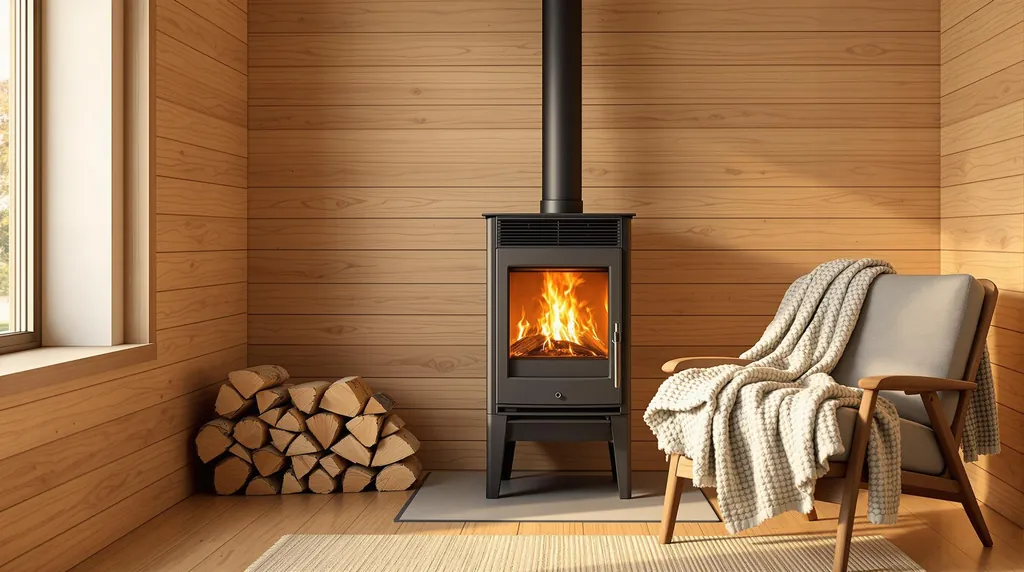
Learn how to effectively tackle common heating challenges in off-grid homes with practical solutions for insulation, equipment, and maintenance.
Heating an off-grid home can be tough, especially during winter. Limited electricity, uneven heating, and fuel supply issues are common challenges. Here's how to tackle them:
- Upgrade insulation: Seal gaps and use materials like fiberglass or foam to reduce heat loss.
- Choose efficient systems: Options like heat pumps, high-efficiency furnaces, or solar thermal systems work well depending on your climate.
- Ensure even heat distribution: Use ventilation, ceiling fans, or radiant floor heating.
- Have a backup: Wood-burning stoves or dual-fuel furnaces are reliable during outages.
- Maintain systems: Regular upkeep prevents breakdowns and freezing risks.
Reviewing ALL Our Off-Grid Heating Systems | DIY In-Floor ...
Main Off-Grid Heating Issues
Understanding the common challenges of off-grid heating is essential for finding energy-efficient solutions. Below, we break down key issues like insulation problems, uneven heating, fuel supply concerns, and maintenance difficulties.
Poor Insulation and Heat Loss
Without proper insulation, off-grid homes can lose a lot of heat, making energy use inefficient. Heat loss typically happens in these areas:
- 35% through exterior walls
- 25% through the roof and attic
- 25% through windows and doors
- 15% through floors and basements
Every bit of wasted energy in an off-grid home makes heating more difficult and costly.
Cold and Hot Spots
Uneven heating is a common issue, particularly in homes with a single heat source. Some contributing factors include:
- Blocked vents and dirty filters: These can restrict airflow, making it harder to distribute heat evenly.
- Home layout: Multi-story homes often have noticeable temperature differences between floors.
- Distance from the heat source: Rooms farther away may not get enough heat, leaving them uncomfortably cold.
Fuel Supply Challenges
Staying stocked with fuel can be a logistical headache, especially in remote areas. Here's what an off-grid home might require:
- Around 400 gallons of propane per year for heating, hot water, and backup power
- About one cord of wood for the winter months
- A steady 400W of electricity to power boilers and circulation pumps
The challenge grows during the winter when solar power is limited, but heating needs are at their peak.
System Breakdowns and Upkeep
Off-grid heating systems come with their own set of maintenance demands, and neglect can lead to major failures. Common issues include:
- Freezing risks: Hydronic systems are particularly vulnerable during power outages.
- Electricity needs: Systems like propane-fired boilers require constant power, which can strain limited resources.
- Manual effort: Wood stoves need regular refueling and attention, which can be tough for part-time residents.
Fixing Off-Grid Heating Problems
After outlining common off-grid heating challenges, here are practical ways to address them.
Insulation Upgrades
Good insulation is key to keeping off-grid homes warm. In the U.S., attic insulation typically requires R-30 to R-38 (about 10–14 inches of material), with colder areas needing up to R-60, per Energy Star guidelines.
- Attic Tips: Measure insulation depth and add fiberglass blankets laid perpendicularly for better coverage.
- Wall Insulation: Check through electrical outlet plates, use rigid foam, or furr out walls. Seal gaps around windows and doors to prevent drafts.
- Foundation Protection: Cover dirt crawl spaces with a 6-mil polyethylene vapor barrier, insulate floors with batt insulation between joists, and address any moisture issues before insulating basements.
Using Heat-Storing Materials
Thermal mass materials help stabilize indoor temperatures by absorbing and slowly releasing heat.
> "Surrounding your fireplace with materials like rock or brick adds both aesthetic appeal and thermal mass. These materials absorb heat from the fire during the winter and release it slowly, helping maintain warmth even after the fire goes out." – StearnsDesignBuild
Some effective options include:
- Adding brick or stone walls near heat sources.
- Installing concrete or tile flooring to retain heat.
- Incorporating stone features for additional thermal mass.
Choosing the Best Heating System
Selecting the right heating system depends on your climate and energy needs. Here's a quick comparison:
| System Type | Efficiency Rating | Best For |
|---|---|---|
| Air-Source Heat Pump | 3:1 BTU ratio | Moderate climates |
| Ground-Source Heat Pump | 4:1 BTU ratio | Various climates |
| High-Efficiency Furnace | 90–94% efficiency | Harsh winters |
| Solar Thermal | 50–80% coverage | Sunny locations |
> "Efficiency is the cheapest, fastest, and most sustainable way to save energy and create a warm home or business." – Dan Chiras, Author and Director of The Evergreen Institute
Once you've chosen a system, ensure heat is distributed evenly for maximum comfort.
Ensuring Even Heat Distribution
To maintain consistent warmth throughout your home, consider:
- Ventilation systems for better airflow.
- Radiant floor heating combined with thermal-mass flooring.
- Placing heat sources strategically.
- Using ceiling fans to circulate warm air.
Backup Heating Options
A backup heating system is crucial for extreme weather or system downtime. A dual-fuel wood-burning furnace is a great choice, as it can switch to a secondary fuel source when needed.
Money-Saving Tools and Methods
Improving your heating system not only makes your home more comfortable but also helps cut down on costs and energy waste.
Affordable Insulation Options
Using budget-friendly insulation materials can significantly reduce heat loss in your home. Here are a few options to consider:
- Straw: Offers an R-value of 1.45. It needs a thicker application to work effectively.
- Papercrete with Lime: Provides R-values between 2.6 and 3.2 and naturally deters pests.
- Recycled Cardboard: With R-values of 3 to 4, it's ideal for dry climates.
Pairing these materials with efficient heating equipment can maximize savings and performance.
Efficient Heating Equipment
Modern options in heating equipment can make a big difference:
- Woodstoves: Newer models burn more cleanly and efficiently than older ones.
- Solar Hot Air Systems: These systems provide extra warmth without recurring fuel costs.
- Multi-Fuel Wood-Burning Furnaces: They offer flexibility and serve as a dependable backup heating source.
Installation Tips for Cost Savings
Follow these steps to get the most out of your insulation and heating setup:
Insulation Installation
- Add attic insulation to meet recommended R-values.
- Seal gaps around windows and doors to prevent drafts.
- Use vapor barriers in crawl spaces to block moisture.
- Place thermal mass materials (like bricks or concrete) near heat sources to retain warmth.
Optimizing Heat Sources
- Position heaters to distribute warmth evenly across your space.
- Use ceiling fans to help circulate warm air.
- Incorporate thermal mass features to store and release heat effectively.
- Regularly maintain your heating systems to ensure they run efficiently.
Conclusion
Heating an off-grid home effectively requires solid insulation, dependable equipment, and a well-designed system. For example, adding a wood stove cut annual propane use from 400 to 350 gallons while keeping the home comfortable.
A layered approach works best. Combining strong insulation, efficient heat distribution, and a reliable backup ensures lower energy needs and consistent warmth, even during outages.
For emergencies, direct vent propane heaters like the Empire DV215 are a great choice. Craig Anderson explains:
> "The biggest advantage of these units is that they require no electricity at all to function."
These systems reduce energy reliance and provide comfort when the power goes out.
Key steps to consider:
- Strengthen insulation and seal gaps to create a solid foundation.
- Use thermal mass materials to retain heat longer.
- Add backup heating systems for extra security.
- Keep up with regular maintenance to ensure everything runs smoothly.