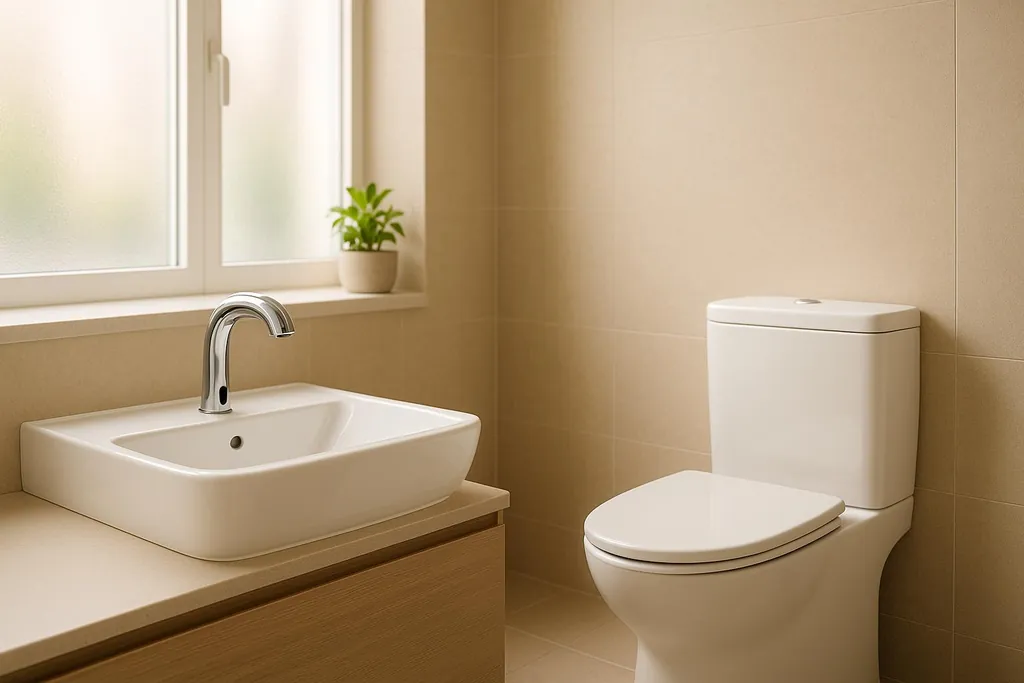
Learn how to design a plumbing system that conserves water, improves efficiency, and incorporates modern technology for sustainable living.
How to Design a Water-Efficient Plumbing System
Designing a plumbing system that saves water while maintaining performance is simpler than you think. Here’s what you need to know:
- Efficient Pipe Layouts: Use shorter pipe runs and choose the right system (trunk-and-branch, centralized, or manifold) to minimize water waste.
- Water-Saving Fixtures: Install WaterSense\-labeled toilets, showerheads, and faucets to cut water use by up to 30%.
- Smart Appliances: ENERGY STAR dishwashers and washing machines use less water and energy, reducing utility bills.
- Leak Prevention: Regular maintenance, durable materials like PEX, and smart leak detection systems can save gallons of water.
- Modern Technology: Smart valves, water usage monitors, and alternative systems like rainwater harvesting and graywater reuse make a big impact.
Start small by upgrading fixtures or go all-in with a complete system redesign. Either way, these strategies help reduce water usage, lower costs, and support a more efficient home.
How Modern Plumbing Systems Save Water | Smart Solutions for Sustainable Living
Planning an Efficient Pipe Layout
Designing an efficient pipe layout involves carefully selecting pipe sizes, arranging components, and planning routes to conserve water and minimize energy use.
Choosing the Best Pipe Layout System
When it comes to residential plumbing, there are three common layout systems to consider, each offering distinct advantages:
- Trunk-and-Branch System: This setup uses a main supply line that branches out to smaller lines feeding individual fixtures. It works well when fixtures are located close together but may cause delays in hot water delivery for longer runs.
- Centralized System: In this design, the water heater and distribution points are placed near high-demand areas, which helps reduce both water waste and energy loss.
- Whole-House Manifold System: This system uses a central manifold with dedicated lines running directly to each fixture. It allows for precise flow control and minimizes the risk of cross-circulation between fixtures.
The right choice depends on factors like your home's size, layout, and water usage patterns. Once you've selected a system, the next step is to fine-tune the design by optimizing pipe lengths and sizes.
Optimizing Pipe Length and Diameter
Shorter pipe runs are key to reducing water waste and ensuring quicker hot water delivery. By keeping the distance between the water heater and fixtures as short as possible, you can minimize the amount of water left sitting in the pipes.
Pipe sizing is just as critical. Oversized pipes hold more water, which cools down between uses, while undersized pipes can lead to restricted flow and pressure issues. Additionally, avoid unnecessary bends and turns in the pipes to maintain consistent water pressure and flow.
Now, let’s look at how the placement of your water heater can further improve efficiency.
Positioning the Water Heater Effectively
To maximize efficiency, install the water heater close to the fixtures that demand the most hot water, such as kitchens, bathrooms, and laundry rooms. This reduces heat loss and speeds up hot water delivery .
Whenever possible, place the water heater in a conditioned space like a utility closet, laundry room, or insulated basement. This helps maintain a stable operating temperature and reduces the energy required to keep the water hot . In colder regions, interior placement is especially important to prevent heat loss. For heat pump water heaters, basements are often ideal regardless of climate, while a well-insulated garage can be a good option in warmer areas .
Selecting Water-Efficient Fixtures and Appliances
Once you've optimized your pipe layout, the next step is choosing fixtures and appliances that help cut down on water usage. By combining the right water-saving products, you can reduce indoor water use by roughly 30%. Below, we’ll explore some of the most efficient options to complete your water-saving setup.
Understanding WaterSense\-Labeled Fixtures
The WaterSense program, managed by the EPA, sets strict standards for plumbing fixtures, ensuring they use at least 20% less water than standard models - without compromising performance.
- Toilets: WaterSense-labeled toilets are a game changer, using just 1.28 gallons per flush compared to older models that consume up to 6 gallons. Dual-flush options take it a step further, offering 0.8 gallons for liquid waste and 1.28 gallons for solid waste.
- Showerheads: WaterSense showerheads deliver a maximum of 2.0 gallons per minute (GPM) while maintaining strong water pressure. Many use aerating or pressure-compensating designs, which create a satisfying shower experience with less water.
- Faucets: Bathroom faucets with the WaterSense label flow at 1.5 GPM, and kitchen faucets max out at 2.2 GPM. These often include aerators that mix air with water, giving the impression of a higher flow while using much less water.
Choosing Energy-Efficient Appliances
ENERGY STAR-certified dishwashers and clothes washers are key players in a water-efficient system. These appliances combine advanced technology with significant water and energy savings.
- Dishwashers: Modern ENERGY STAR dishwashers come with soil sensors that adjust the wash cycle based on how dirty your dishes are. They also feature better water filtration and more efficient spray jets, using about 3.5 gallons per cycle compared to the 6 gallons older models require.
- Clothes Washers: High-efficiency washers, especially front-loading ENERGY STAR models, use just 13–17 gallons per load, a huge improvement over older top-loading machines that can use 40 gallons or more. These washers also spin clothes faster, extracting more water and cutting drying time.
Another benefit of energy-efficient appliances is their indirect water savings. Since they require less energy to heat water, they reduce the load on your water heater, further conserving resources.
Comparing Fixture Flow Rates
Understanding flow rates is crucial when selecting fixtures that meet your water-saving goals. Here's a breakdown of common fixtures and how much water you can save by upgrading:
| Fixture Type | Standard Flow Rate | High-Efficiency Rate | Water Savings |
|---|---|---|---|
| Kitchen Faucet | 2.2 GPM | 1.8 GPM | 18% reduction |
| Bathroom Faucet | 2.2 GPM | 1.5 GPM | 32% reduction |
| Showerhead | 2.5 GPM | 2.0 GPM | 20% reduction |
| Toilet | 1.6 gallons/flush | 1.28 gallons/flush | 20% reduction |
| Dishwasher | 6 gallons/cycle | 3.5 gallons/cycle | 42% reduction |
| Clothes Washer | 40 gallons/load | 15 gallons/load | 63% reduction |
When choosing fixtures, think about how often they’re used. For example, a high-efficiency showerhead in a busy bathroom will save more water than a low-flow faucet in a guest bathroom. Similarly, upgrading to an ENERGY STAR dishwasher will have a bigger impact if you run it daily.
Finally, consider pressure-compensating features in your fixtures. These ensure a consistent flow rate, even if water pressure fluctuates, so your water-efficient upgrades perform reliably no matter the demand on your plumbing system.
Leak Prevention and Detection Strategies
Even the most water-efficient fixtures lose their advantage if leaks go unchecked. Hidden leaks can waste significant amounts of water, making prevention and detection essential for any well-designed plumbing system. Thankfully, modern technology and thoughtful installation practices make it easier to minimize these risks. By combining leak detection systems with proactive prevention strategies, you can protect your home and conserve water.
Installing Leak Detection Systems
Smart water meters and automated leak detectors are game-changers when it comes to tracking water usage and identifying leaks. These devices provide real-time data, alerting you immediately when something seems off.
Whole-house leak detection systems, installed on the main water line, use pressure sensors to monitor water flow continuously. They can detect even small leaks and, in some cases, automatically shut off the water supply if a major issue arises.
For a more detailed approach, smart water meters track your household’s water consumption and flag unusual patterns that may indicate a leak. If you’re concerned about specific high-risk areas - like under sinks, near water heaters, or around toilets - point-of-use leak detectors can offer targeted monitoring and peace of mind.
Best Practices for Leak Prevention
Detecting leaks is important, but preventing them in the first place is even better. Start by choosing durable pipe materials. PEX (cross-linked polyethylene) piping is a popular choice due to its flexibility and resistance to corrosion. Plus, it reduces the number of connection points where leaks are more likely to occur. Whether you use crimped or push-fit PEX connections, they typically create watertight seals that are less prone to failure compared to older materials.
Proper installation also plays a key role. Manifold systems, which run individual lines from a central source to each fixture, reduce the number of joints and connections, lowering the risk of leaks. When fittings are necessary, push-fit options are a reliable choice since they create strong seals without requiring specialized tools.
Don’t forget to insulate your pipes, especially in unheated areas like crawl spaces, basements, or exterior walls. Foam insulation is a simple and cost-effective way to prevent freezing or condensation, which can lead to burst pipes and costly repairs.
Lastly, managing water pressure can make a big difference. If your home consistently experiences high water pressure, installing a pressure-reducing valve can help protect your pipes and fixtures from unnecessary stress.
Routine Maintenance and Inspections
Once you’ve installed detection systems and implemented preventative measures, regular maintenance is crucial for long-term success. Routine inspections help catch problems early. Check fixtures and branches for signs of moisture, stains, or unusual pressure readings. Pay special attention to flexible supply lines connecting fixtures to shut-off valves, as these components often need replacing after years of use.
A simple way to spot hidden leaks is by turning off all fixtures and monitoring the water meter for any unexpected activity. For a more thorough check, consider hydrostatic pressure testing. This method involves pressurizing sections of the plumbing above normal levels to pinpoint vulnerabilities.
To test for toilet leaks, add a few drops of food coloring to the tank. If the color shows up in the bowl without flushing, the flapper likely needs adjustment or replacement. A running toilet not only wastes water but also increases your bill.
Don’t overlook your water heater during inspections. Check the temperature and pressure relief valve, and look for signs of mineral buildup or corrosion on connections. Regular maintenance can prevent pressure imbalances and extend the life of the system.
Keeping a maintenance log can be incredibly helpful. Record inspection dates, pressure readings, and any issues you find to track patterns and ensure consistent upkeep. Many smart leak detection systems now come with apps that automatically log this information and send you reminders for maintenance tasks, making it easier than ever to stay on top of things.
Adding Smart and Eco-Friendly Technologies
Modern advancements in technology are making it easier than ever to reduce water consumption at home. By combining smart automation with alternative water sources, you can significantly cut back on water use without sacrificing convenience.
Smart Plumbing Technology
Smart plumbing systems take water management to the next level by addressing leaks and inefficiencies before they become costly problems. For example, automated shut-off valves installed on the main water line can immediately stop water flow if a sudden pressure drop signals a leak. This feature not only prevents waste but can also save you from expensive repairs.
In addition, remote monitoring systems send alerts straight to your phone if they detect irregular water flow, allowing you to act quickly. Water usage monitors provide real-time data for specific fixtures, helping you spot areas where water use might be higher than expected.
If your home has landscaping, smart irrigation controllers are a game-changer. These systems rely on weather forecasts and soil moisture sensors to adjust watering schedules, making them far more efficient than traditional timers. Another clever addition is temperature-controlled mixing valves, which ensure water reaches your desired temperature faster, reducing both wait times and waste.
Rainwater Harvesting and Graywater Reuse
Beyond smart tech, tapping into alternative water sources like rainwater and graywater can further improve efficiency. Rainwater harvesting systems collect water from your roof and store it for later use. Gutters direct rain into storage tanks, and first-flush diverters filter out debris from the initial runoff. For tasks like irrigation or toilet flushing, basic screening and settling tanks are often enough. However, if you want to use the water for drinking, more advanced filtration and treatment are required.
Graywater reuse systems capture water from sinks, showers, and washing machines, repurposing it for irrigation or toilet flushing. These systems typically include filters to remove particles before distributing the water to your yard. Some setups also incorporate storage tanks, pumps, and additional treatment options for greater versatility.
To ensure your graywater system is plant- and soil-friendly, stick to biodegradable soaps and detergents. Rotating distribution methods can help avoid oversaturating any one area. For even more efficiency, you can integrate smart controllers that switch between municipal water, stored rainwater, and treated graywater based on availability. Moisture sensors can also fine-tune irrigation timing to prevent overwatering.
For those interested in diving deeper, [DIY Eco Homes](/) offers detailed guides and budget-friendly tips to help you implement these water-saving technologies at home.
Conclusion and Key Takeaways
Designing a water-efficient plumbing system isn’t just about cutting down on utility bills - it’s about creating a home that conserves resources and supports a more sustainable lifestyle. By following the strategies in this guide, you can make a meaningful impact on your water usage and your environmental footprint.
Recap of Water-Efficient Plumbing Design Strategies
Here’s a quick overview of the key steps:
- Smart pipe layouts: Thoughtful planning reduces water waste by optimizing pipe configurations and placing water heaters strategically.
- WaterSense-labeled fixtures: These fixtures, like toilets, showerheads, and faucets, are designed to use less water without sacrificing performance. For example, high-efficiency showerheads typically limit flow to around 2.0 gallons per minute while maintaining strong water pressure.
- Leak prevention: Using quality materials, adding shut-off valves, and conducting routine inspections can save gallons of water over time. Even a small drip can lead to big losses.
- Smart technology integration: Tools like automated shut-off systems, real-time monitoring, and alternative water sources (rainwater harvesting, graywater reuse) can maximize efficiency and savings over the long term.
Starting Your Water-Efficient Journey
With these principles in mind, it’s time to take action. Start small by replacing outdated fixtures with WaterSense models or installing basic leak detection systems. These changes can have an immediate impact without requiring major renovations.
For those building a new home or undertaking significant remodels, plan your plumbing system with efficiency in mind from the very beginning. Incorporate smart layouts and advanced technology into your design. If you’re working with an existing home, you can still implement these strategies gradually - tackling one room or project at a time.
Water efficiency isn’t a one-and-done task; it’s a continuous effort. Regular maintenance, monitoring your water usage, and staying informed about the latest advancements in water-saving technology will ensure your system keeps performing at its best.
DIY Eco Homes offers detailed guides, cost insights, and practical tips to help you bring these ideas to life. Whether you’re starting fresh or upgrading an older property, you’ll find everything you need to create a home that’s not only efficient but also aligned with the principles of sustainable living. These efforts not only improve your plumbing system but also reflect your commitment to an eco-conscious lifestyle.
FAQs
What are the key steps when designing a plumbing system for a new home?
Designing a plumbing system for a new home is most efficient when you plan it in this order: (1) map every fixture's location on the floor plan early — toilets, sinks, showers, washer, dishwasher, water heater, hose bibs — and group them on shared walls or stacked between floors to minimize pipe runs; (2) pick a distribution topology (trunk-and-branch for compact homes, home-run manifold with PEX for larger or higher-end builds, or a hybrid); (3) size the supply lines from the meter inward based on the simultaneous fixture demand and the Water Supply Fixture Unit (WSFU) tables in the International Plumbing Code or the Uniform Plumbing Code your jurisdiction has adopted; (4) lay out drain, waste, and vent (DWV) runs with the correct slope (typically ¼ inch per foot for horizontal drains) and minimum vent sizing; (5) select fixtures, beginning with WaterSense-labeled toilets, faucets, and showerheads; (6) decide where on-demand recirculation, leak detection, and smart valves go; and (7) get your design reviewed by the local plumbing inspector before any pipe goes in the wall.
How is designing a plumbing system for an eco-friendly home different from a conventional design?
When designing a plumbing system for an eco-friendly home, four things change relative to a conventional design. First, fixture selection shifts to WaterSense and Energy Star throughout — 1.28 GPF toilets, 1.5 GPM showerheads, 1.0-1.2 GPM bathroom faucets — for an immediate ~20-30% water-use reduction. Second, you plan the system around a recirculation strategy (demand-controlled or thermostatic) that delivers hot water within seconds, so you waste fewer gallons running the tap waiting for warmth. Third, you decide whether to add a graywater branch (separating shower/laundry waste for landscape reuse) and/or a rainwater catchment tie-in for toilets and irrigation — both shift drain and supply topology, so they're far cheaper to design in than retrofit. Fourth, you specify materials with lower environmental impact and longer service life: PEX-A for supply (flexible, freeze-tolerant, fewer fittings), Type-K copper where local code requires it, and PVC or ABS for DWV. The result is a plumbing system that uses 30-50% less municipal water without compromising comfort.
How can I choose the best pipe layout for a water-efficient plumbing system in my home?
When planning a water-efficient plumbing system, it's important to think about your home's size, where the fixtures are located, and how the space is laid out. Two common approaches - trunk-and-branch systems and home-run manifold layouts - are popular because they cut down on water waste. These designs work by shortening pipe lengths and delivering water directly to where it's needed.
To get the most out of your system, place fixtures thoughtfully to keep pipe runs short and maintain steady water pressure. Efficient pipe routing not only saves water but also avoids pressure drops and reduces delays in getting hot water, making your system both environmentally friendly and budget-conscious.
How do WaterSense-labeled fixtures and ENERGY STAR appliances help save water and energy?
Using WaterSense-labeled fixtures can cut your water usage by at least 20%. That means lower water bills and a smarter way to conserve this essential resource. These fixtures are built to use less water without compromising on performance, making them a practical choice for any home.
In the same way, [ENERGY STAR](/glossary/energy-star) appliances are designed to consume less electricity and water than traditional models. This translates to noticeable savings on your energy bills while also shrinking your environmental footprint - all without giving up the features and convenience you rely on.
How can I integrate smart technology and rainwater harvesting into my current plumbing system?
Integrating smart technology into your plumbing system can make a big difference in how efficiently you use water. Devices like IoT-enabled smart water monitors and leak detectors are great tools to consider. These gadgets can keep an eye on your water usage, catch leaks early, and even let you control your system remotely from your smartphone. It's a simple way to cut down on water waste and keep things running smoothly.
If you're thinking about rainwater harvesting, you can connect a storage tank to your plumbing system. Pair it with a pump and filtration system, and you can use the collected rainwater for things like watering your garden or flushing toilets. Just make sure your setup follows local codes and regulations. For the best results - and to ensure everything is safe and efficient - it’s a good idea to consult a professional.