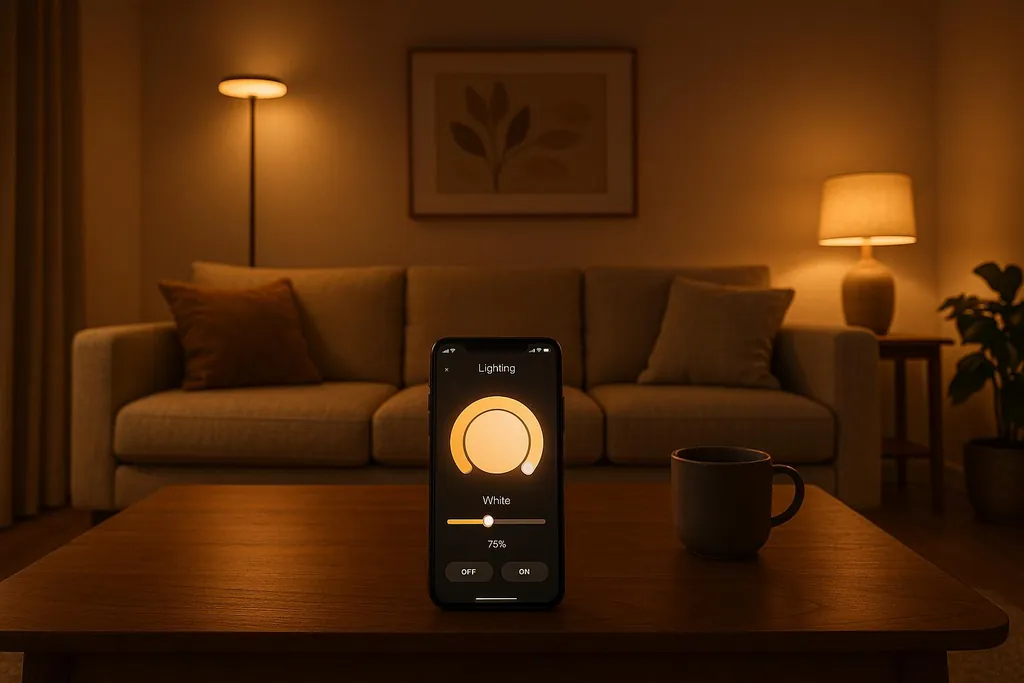
Learn how smart lighting combines energy efficiency with automation to reduce costs and enhance convenience in your home.
Ultimate Guide to Smart Lighting Energy Efficiency
Smart lighting combines LED bulbs with advanced controls like apps, motion sensors, and automation to cut energy use and save money. Here's what you need to know:
- Energy Savings: LEDs use up to 83% less energy than incandescent bulbs and last 15-30 years.
- Smart Features: Dimming, motion sensors, and daylight adjustments reduce unnecessary energy use.
- Cost Efficiency: Though smart bulbs cost more upfront (around $10-$100 each), they pay for themselves in 2-5 years through lower energy bills.
- Automation: Schedule lights to match your routine or control them remotely for added convenience.
Switching to smart lighting lowers bills, reduces waste, and offers long-term savings, making it a practical upgrade for energy-conscious homes.
How to Use Ambient Sensing in Smart Lighting for Energy Efficiency
Key Features of Smart Lighting for Energy Efficiency
Smart lighting stands out for its ability to cut down on power usage while offering enhanced functionality. By understanding how these features work, you can make smarter choices to maximize energy savings in your home.
LED Technology and Its Advantages
LED bulbs are game-changers when it comes to energy efficiency. Unlike traditional incandescent bulbs, LEDs convert more energy into visible light, meaning less energy is wasted as heat. They also last much longer, which means fewer replacements and less waste over time. Plus, because LEDs generate less heat, they can ease the burden on your air conditioning during warmer months.
Smart Features That Optimize Energy Use
Smart lighting goes beyond just turning lights on and off - it’s about using energy wisely. Here’s how:
- Dimming Capabilities: Adjusting brightness to suit your needs not only sets the right mood but also lowers energy consumption when full brightness isn’t necessary.
- Motion Sensors: These automatically turn lights on when movement is detected and switch them off after a set period of inactivity. This is perfect for spaces like hallways or bathrooms where lights are often left on accidentally.
- Daylight Harvesting: This feature uses sensors to measure natural light levels and adjusts artificial lighting accordingly. For instance, on sunny days, your lights will dim, saving energy, while on cloudy days, they’ll brighten to maintain consistent lighting.
- Adjustable Color Temperatures: Smart bulbs let you switch between warm and cool tones. Cooler light is ideal for tasks during the day, making it a practical and efficient choice for workspaces or kitchens.
Automation and Remote Control
Smart lighting systems take convenience and efficiency to the next level with automation and remote access. Features like scheduling and geofencing ensure lights are only on when needed. For example, they can turn off automatically when you leave home or turn on as you approach. Smartphone apps make it easy to control your lights remotely, and when paired with devices like thermostats or sensors, you can fine-tune your overall energy use. These capabilities make it easier to compare the energy and cost savings of smart lighting to traditional systems.
Smart Lighting vs. Standard Lighting: Energy and Cost Comparison
When it comes to energy consumption and cost, smart lighting shines brighter than traditional options. A closer look at these factors highlights why smart lighting is a smarter choice for the long term.
Energy Consumption and Efficiency
The difference in energy efficiency between smart lighting and traditional bulbs is striking. For instance, smart LED bulbs use just 10 watts to produce 800–1,000 lumens, while incandescent bulbs require a hefty 60 watts to achieve the same brightness. That’s up to 83% less energy consumed.
Smart lighting systems are designed to convert 80-90% of the energy they use into light, with very little wasted as heat . On top of that, they can cut energy consumption by 30% to 70% compared to traditional systems . Features like photodetectors and motion sensors push the savings even further, reducing consumption by an additional 20% to 40% . These efficiency gains don’t just benefit the environment - they significantly lower energy bills over time.
Cost Over Time
Although smart lighting comes with a higher upfront cost, the long-term financial benefits are hard to ignore. For example, a smart LED bulb averages around $42 , with prices ranging from $10 to over $100 depending on the brand and features . In comparison, incandescent bulbs cost less than $5, basic LED bulbs range from $5 to $15, and CFLs fall between $2 and $10 per bulb .
However, the real savings come from lower energy use and the extended lifespan of smart bulbs. The average household can save about $225 annually on energy costs by switching to LED lighting . Smart LED bulbs last between 20,000 and 25,000 hours - or 15 to 30 years . In contrast, incandescent bulbs only last about 1,000 hours, or roughly 1 to 2 years .
Smart lighting investments typically pay for themselves within 2 to 5 years . After that, the energy savings essentially turn into extra money in your pocket. While outfitting an entire home with smart bulbs might cost more than $2,000 , compared to $200–$300 for incandescent bulbs , the reduced energy bills and fewer replacements make smart lighting a worthwhile investment.
Comparison Table: Energy Use and Cost
| Bulb Type | Wattage (for 800-1000 lumens) | Annual Energy Cost\* | Lifespan (Hours) | Lifespan (Years) | Bulb Cost Range |
|---|---|---|---|---|---|
| Smart LED | 10W | $12 | 20,000-25,000 | 15-30 | $10-$100+ |
| Regular LED | 10-12W | $12-$14 | 20,000-25,000 | 15-30 | $5-$15 |
| CFL | 13-15W | $16-$18 | 8,000-10,000 | 5-10 | $2-$10 |
| Incandescent | 60W | $72 | 1,000 | 1-2 | Under $5 |
\*Based on 3 hours of daily use at $0.12 per kWh
These numbers make it clear: while incandescent bulbs might seem cheaper initially, their shorter lifespan and higher energy consumption mean you’ll end up paying much more in the long run. For every smart LED bulb, you’d need to replace an incandescent bulb 20-25 times, making the total cost far higher when you factor in energy use and replacement frequency.
How to Use Smart Lighting for Maximum Energy Efficiency
To get the most out of your smart lighting, focus on scheduling, sensor controls, and using ENERGY STAR®-certified products. These steps can help you cut energy use, lower utility bills, and reduce your environmental impact.
Using Scheduling and Automation
Smart lighting really shines when you take advantage of scheduling features. By programming your lights to match your daily routine, you can ensure they’re only on when needed. For example, you can set lights to dim at bedtime, brighten in the morning, or simulate occupancy when you're away.
Daily schedules, vacation modes, and seasonal adjustments to align with daylight changes can significantly reduce unnecessary energy use. Start with basic schedules and tweak them over time using energy usage reports to pinpoint areas where you can save even more.
Using Sensors and Daylight Harvesting
Motion sensors and ambient light sensors are game-changers for energy efficiency. Motion sensors ensure lights come on only when someone enters a room, while ambient light sensors adjust brightness based on the amount of natural light available. These features are especially effective in spaces like hallways, bathrooms, and closets, where lights are often left on unnecessarily.
For even better results, fine-tune sensor sensitivity and timing settings to suit the layout of each room. Some systems even allow you to create occupancy-based zones, lighting up only the areas in use. Combined with scheduling, these sensor-driven adjustments can take your energy savings to the next level.
Choosing ENERGY STAR®-Certified Products

When selecting your smart lighting components, look for the ENERGY STAR® label. Products with this certification are designed for energy efficiency and have minimal standby power consumption. Whether you’re choosing bulbs, switches, or dimmers, ENERGY STAR® makes it easy to pick reliable, energy-saving options.
By combining these strategies, your smart lighting setup can do more than just light up your home - it can also help you achieve meaningful energy savings.
For those aiming to live more sustainably, smart lighting is a simple yet impactful upgrade. At [DIY Eco Homes](/), we share practical advice for creating energy-efficient and sustainable living spaces. With modern LED technology, intelligent automation, and certified energy-saving products, you can enjoy a greener lifestyle with added convenience and control.
Conclusion: The Role of Smart Lighting in Sustainable Homes
Smart lighting is a straightforward and impactful way to make your home more energy-efficient. By combining LED technology with features like automation and sensor controls, these systems provide immediate energy savings while contributing to long-term environmental benefits.
Key Takeaways
Switching to smart LED lighting can significantly reduce energy use and extend the lifespan of your bulbs. Features like scheduling, motion sensors, and daylight harvesting take energy optimization even further. Over time, these systems not only lower your utility bills but also help reduce carbon emissions and waste. Opting for ENERGY STAR®-certified products ensures you're getting highly efficient and reliable solutions. These advantages make smart lighting an easy addition to any sustainable home initiative.
Smart Lighting and [DIY Eco Homes](/)

Smart lighting is a practical, accessible step toward creating a more sustainable home. With basic DIY skills, you can install these systems gradually, making energy efficiency achievable for anyone. It works well alongside other energy-saving practices, such as improved insulation, passive solar design, and smart home integration. If you're planning a sustainable home project, smart lighting is an excellent starting point, offering immediate benefits while supporting broader energy goals.
At [DIY Eco Homes](/), we believe sustainability should be both affordable and within reach. Smart lighting embodies this idea, offering clear savings, measurable results, and a step-by-step approach that fits seamlessly into your journey toward a greener home. Whether you're upgrading an existing space or starting from scratch, smart lighting provides a strong foundation for building a truly energy-efficient living environment. It's the perfect first step for anyone looking to create a sustainable home.
FAQs
How do smart lighting systems save energy compared to traditional lighting, and what are the environmental benefits?
Smart lighting systems offer a much more energy-efficient alternative to traditional lighting. Most of these systems rely on LED technology, which uses up to 80% less energy compared to incandescent bulbs. On top of that, features like motion sensors, timers, and automation ensure lights are only on when necessary, potentially reducing electricity use by as much as 75%.
But the benefits go beyond just saving energy. Smart lighting helps cut greenhouse gas emissions and lowers your overall carbon footprint. Since these systems consume less electricity and have a longer lifespan than traditional bulbs, they conserve resources and play a role in promoting a greener, more resource-conscious lifestyle.
What should I look for in smart lighting to save energy effectively?
When selecting smart lighting to save energy, focus on options that utilize LED technology. LEDs are known for using much less power and lasting far longer than traditional bulbs, making them a smart choice for both efficiency and longevity. Also, ensure the lighting system is compatible with common connectivity protocols like [Zigbee](https://en.wikipedia.org/wiki/Zigbee), [Z-Wave](https://en.wikipedia.org/wiki/Z-Wave), Wi-Fi, or Bluetooth to easily integrate it into your smart home setup.
Features such as dimming, scheduling, and adjustable color temperature are worth considering. These allow you to tailor the lighting to your preferences while cutting down on unnecessary energy use. Additionally, smart automation features can take efficiency even further by turning lights off automatically when they’re not in use, helping you reduce energy bills over time.
How can features like automation and motion sensors in smart lighting help lower energy use at home?
Smart lighting offers features like automation and motion sensors that help trim energy use by ensuring lights are only on when necessary. Motion sensors work by detecting movement and automatically switching lights on or off depending on whether a room is occupied, preventing wasted energy in empty spaces. Meanwhile, automation lets you set schedules for your lights, so they turn off during daylight hours or when you're away from home.
When used together, these technologies can reduce energy consumption by as much as 90%, making smart lighting a practical and energy-conscious option for today's households.