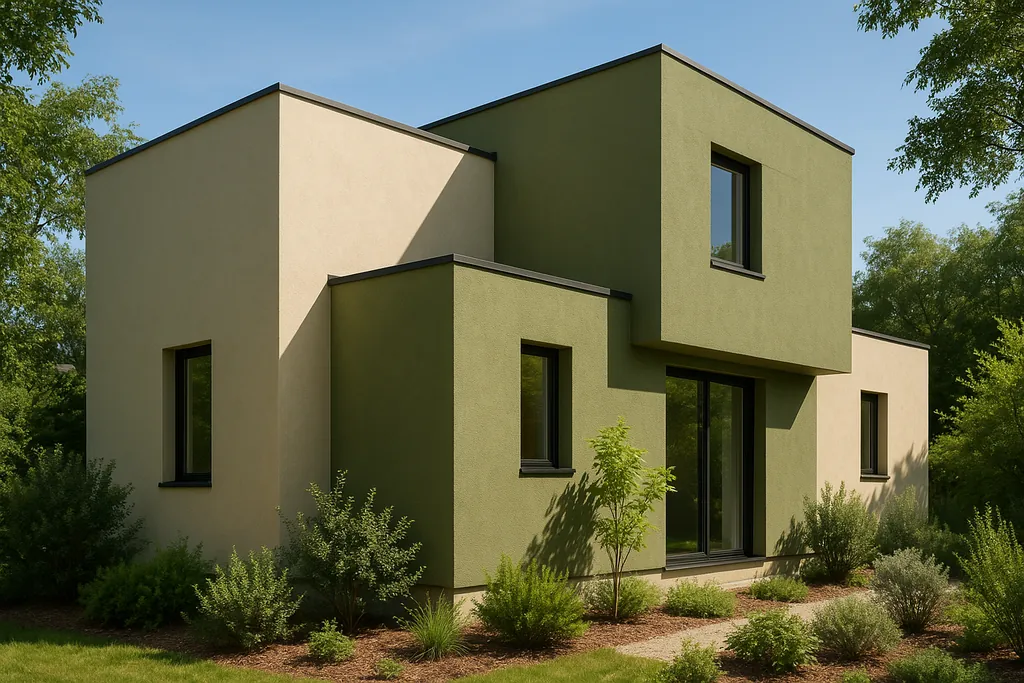
Explore eco-friendly exterior coatings that enhance your home's durability while reducing energy costs and environmental impact.
Ultimate Guide to Eco-Friendly Exterior Coatings
Want to protect your home while being eco-conscious? Eco-friendly exterior coatings are a smart choice. They reduce VOC emissions, improve energy efficiency, and can even lower cooling costs by up to 21.9%. Plus, they're durable, healthier, and better for the planet.
Key Benefits at a Glance:
- Lower VOCs: Safer for air quality and health.
- Energy Savings: Reflective coatings cut cooling costs.
- Durability: Options like mineral paints can last over 100 years.
- Tax Credits: Save up to $1,200 annually with energy-efficient upgrades.
- Sustainable Materials: Includes plant-based, recycled, and waterborne options.
Quick Comparison of Coating Types:
| Feature | Low/Zero-VOC Paint | Mineral-Based Coatings | Plant-Based Coatings |
|---|---|---|---|
| Durability | Moderate | Very High (100+ years) | Moderate |
| UV Resistance | Good | Excellent | Good |
| Eco-Friendly Materials | Yes | Yes | Yes (renewable/recycled) |
| Best For | General surfaces | Concrete, plaster | Sustainable projects |
Eco-friendly coatings are not just a trend - they're a long-term investment in your home's value and the environment. Ready to make the switch? Keep reading for application tips, product options, and care instructions.
NON-TOXIC PAINT: The Safer and Smarter Option
Common Eco-Friendly Coating Options
The market for eco-friendly coatings has grown tremendously, offering sustainable choices for homeowners without sacrificing quality. These modern coatings merge environmental care with impressive performance.
Low and Zero-VOC Paint Options
Low and zero-VOC paints have become a leading choice for eco-conscious exterior coatings. These paints significantly reduce the emission of volatile organic compounds (VOCs), contributing to better air quality. For example, PPG's acquisition of Alpha Coating Technologies in March 2020 highlights advancements in this area, with products that combine environmental benefits and long-lasting durability.
Mineral and Earth-Based Coatings
Mineral-based coatings, like silicate paints, stand out for their durability and natural resistance to environmental factors. These coatings can last over a century. Here's how they compare to traditional acrylic paints:
| Feature | Mineral Paints | Traditional Acrylic Paints |
|---|---|---|
| UV Resistance | Highly resistant | Prone to brittleness and chalking |
| Surface Bonding | Bonds deeply with the substrate | Forms a surface layer only |
| Moisture Management | Allows walls to breathe | Can trap moisture |
| Mold Resistance | Naturally resistant | Often needs additives |
The strength of mineral coatings lies in their chemical reaction with the substrate, creating a bond that resists both weathering and UV damage. They are especially effective on surfaces like concrete and plaster but less suitable for wood and metal.
Recycled and Plant-Based Options
Another exciting category includes coatings made from renewable and recycled materials. These options help tackle issues like microplastic pollution in oceans. Plant-based coatings use resources such as soybean derivatives, linseed oil, citrus extracts, and natural resins. Recent innovations have added natural elements like essential oils for fungal resistance and clay for better coverage. The global market for waterborne coatings, which often includes plant-based solutions, is projected to hit $82.9 billion by 2025.
Recycled aggregate coatings, on the other hand, incorporate materials like glass, plastic, and rubber to create durable surfaces. This approach not only reduces landfill waste but also lessens the need for new raw materials.
How to Apply Eco-Friendly Coatings
Surface Prep Steps
Getting the surface ready is key to making sure your eco-friendly coating sticks well and lasts long. Start by cleaning the area with sugar soap or a mild detergent. For stubborn dirt, a pressure washer can help. Scrape off any loose paint and sand the surface using 180-grit sandpaper to create a smooth base. Fill any holes or cracks with exterior-grade fillers, and apply a water-based primer, especially on new or porous surfaces. Use decorating tape to shield areas you don't want painted.
Once the surface is prepared, choose the right tools and techniques for your specific eco-friendly coating.
Tools and Methods by Coating Type
Eco-friendly coatings often need specific tools and application techniques to deliver the best results. Here's a quick guide:
| Coating Type | Recommended Tools | Application Method |
|---|---|---|
| Low-VOC Paint | 10-13mm nap roller, nylon/polyester brush | Use even strokes and keep a wet edge for uniformity |
| Mineral-Based | Natural bristle brush, specialized roller | Apply thin, even coats and work in small sections |
| Plant-Based | Airless sprayer (.015-.021″ tip), 60 mesh filter | Maintain steady pressure and touch up details with a brush |
If you're using an airless sprayer, make sure the area is well-ventilated and wear protective gear. Stir the coating regularly to maintain its consistency during application.
Weather and Timing Factors
Once you've picked your tools and methods, pay close attention to weather conditions, as they play a big role in how well your coating performs. For the best results, aim for:
- Temperature Range: 50-85°F (10-29°C) for latex-based coatings
- Humidity Level: Between 40% and 70%
- Surface Temperature: At least 5°F above the dew point
> "Minimum application temperature guidelines for the substrate, product and ambient air should be followed for the coating being applied"
Spring and fall are often the best times for this kind of work, thanks to their mild temperatures and consistent humidity. Keep an eye on the weather forecast and use tarps or windbreaks if necessary. After application, allow the coating to cure for at least 24 hours in a calm, shaded environment.
Preparing and Applying Coatings
Let's dive into practical, straightforward methods for applying eco-friendly coatings effectively.
Preparing the Surface
Start by thoroughly cleaning the surface to eliminate dirt, grease, and mildew. For particularly tough grime, methods like mechanical grinding or shot-blasting can ensure better adhesion. Here's a quick breakdown of the preparation process:
| Step | What to Do |
|---|---|
| Clean | Use a mild detergent or eco-friendly cleaner. |
| Repair | Patch up holes and fix any visible cracks. |
| Sand | Smooth the surface with the right grit sandpaper. |
| Prime | Apply an eco-friendly primer for a solid base. |
Make sure each step is fully dry before moving to the next. A properly prepped surface sets the stage for a smooth and durable finish.
Choosing Tools and Techniques
When it comes to applying the coating, the tools and methods you use depend on the type of product. For spray applications, High Volume Low Pressure (HVLP) spray guns are a great choice. They reduce overspray and limit exposure to fumes. Keep the nozzle 8–12 inches from the surface and spray in a "W" pattern to ensure even coverage.
For larger projects, consider using energy-efficient equipment to minimize waste while covering more area efficiently.
Timing and Weather Conditions
Once your tools and techniques are ready, timing becomes a key factor. Apply the coating during clear, calm weather, sticking to the following conditions:
- Temperature: 59–77°F (15–25°C)
- Humidity: Moderate levels
- Weather: No rain or strong winds in the forecast
Hot weather can cause the coating to dry too fast, leading to increased VOC emissions. On the flip side, cold weather slows down drying and can lead to higher energy use. For areas exposed to lots of sunlight, opt for UV-resistant coatings. In humid zones, moisture-resistant options work best.
Lastly, regular upkeep - like cleaning and fixing any damage promptly - will help your eco-friendly coating last longer and stay effective.
Price and Return on Investment
Lower energy usage is a big win here, and when you combine that with tax credits and reduced maintenance, the investment becomes even more appealing. Sure, eco-friendly coatings might cost more upfront due to their specialized materials, but they pay off over time with durability, energy savings, and less frequent upkeep.
Initial Cost vs. Long-Term Savings
| Cost Factor | Traditional Coatings | Eco-Friendly Coatings |
|---|---|---|
| Initial Cost | Lower, thanks to mass production | Higher, due to specialized ingredients |
| Energy Savings | Minimal impact | Can cut cooling costs by up to 21.9% |
| Maintenance Needs | Requires more frequent upkeep | Needs less frequent maintenance |
For example, TEX-COTE® COOLWALL® is designed to reflect heat and reduce cooling costs by over 20%, making it a standout choice for energy-conscious homeowners.
> "Great job! Hats off to Gary and crew who 'hung in there' during extreme heat doing outstanding, meticulous work... Look forward to this lustrous and durable finish to continue to enhance, protect and increase the value of our home for years to come…" - Paul Winig
Available Tax Credits and Rebates
Starting January 1, 2023, homeowners can take advantage of the Energy Efficient Home Improvement Credit. Here's how it works:
- 30% of qualified expenses for energy-efficient upgrades
- Annual credit limit of $1,200 for most improvements
- Up to $600 for exterior windows and skylights
- $250 per exterior door (with a maximum of $500)
From 2025 onward, manufacturers will need to provide product identification numbers for eligible items to qualify for these credits. Be sure to subtract any utility rebates when calculating the credit. These incentives make eco-friendly coatings even more appealing, adding to their long-term economic benefits while increasing property value.
Effect on Property Value
Eco-friendly coatings don't just save money on energy and qualify for tax credits - they also add value to your home. By lowering maintenance needs, cutting utility bills, using low-VOC materials for healthier living, and boosting curb appeal, they make your property more attractive.
Since air conditioning accounts for nearly 20% of electricity use in buildings worldwide, choosing a coating that reduces cooling demands can make your home stand out to energy-conscious buyers.
Coating Care and Upkeep
Taking care of eco-friendly coatings doesn't have to be complicated. With the right approach, you can extend their lifespan while maintaining their environmental advantages.
Regular Cleaning Methods
A gentle cleaning routine is key. Use a mild soap solution and a soft brush to clear away dirt without damaging the surface. Skip harsh chemicals or aggressive scrubbing; they can harm the coating. For an eco-friendly touch, try these alternatives:
- A mix of white vinegar and water
- Castile soap diluted with water
- A baking soda paste
- Citrus-based cleaning solutions
> "Get stuck in there! Use your hands and fingers to gently massage brush bristles to quickly remove paint pigments. Standing there and letting the tap run, hoping the water will do the work for you is tempting, but it's much quicker and more effective to manually squeeze excess paint from bristles and agitate soapy water to get rid of stubborn paint in the centre of the brush." – Annie Sloan
Once cleaned, inspect the surface and fix any minor damage promptly to keep the coating in top shape.
Fixing Minor Damage
Small repairs can make a big difference. Here's how to tackle them:
- Clean the damaged area thoroughly.
- Use an eco-friendly spackle to fill any holes.
- Sand the area smoothly with fine-grit sandpaper.
- Prime with a water-based primer.
- Reapply matching eco-friendly paint.
For larger issues, consider using joint compound and repainting the entire section to maintain color consistency. Feather the edges for a seamless blend.
Protection Tips
Preventative care goes a long way in keeping coatings looking and performing their best. UV rays, for example, can cause paint to fade over time, with noticeable changes in exterior coatings typically appearing after 3 to 5 years.
Here's how to keep your coating protected:
- Install awnings in areas with heavy sun exposure - awnings can cut UV exposure by up to 95%.
- Apply a clear topcoat sealant every 2–3 years.
- Trim trees and shrubs to prevent contact with walls.
- Maintain gutters to ensure proper drainage.
- Opt for lighter paint colors on sun-facing surfaces to reduce fading.
Lastly, choose coatings tailored to your local climate. Water-resistant options work well in humid areas, while UV-resistant coatings are ideal for sunny regions. Regular inspections, especially after storms or extreme weather, can help you catch and address potential problems early.
Conclusion: Looking Ahead
Key Takeaways
Eco-friendly exterior coatings are shaping the future of sustainable home improvement. These coatings not only deliver dependable durability but also address environmental concerns. For instance, exterior paints contribute to 9% of VOC emissions in California, making eco-friendly options a critical choice.
Here are some standout benefits of modern eco-friendly coatings:
- Better Durability: Microporous technology allows moisture to escape, preventing issues like bubbling and water damage.
- Natural Appearance: Pigments maintain vibrant, long-lasting color.
- Energy Savings: Reflective properties can cut cooling costs significantly.
- Healthier Living Spaces: Low VOC emissions create a safer environment.
These points highlight why these coatings are worth considering for your next project.
How to Get Started
Ready to make the switch? Start by evaluating your home's specific needs - consider the climate, the materials on your exterior, and what performance features you're after. For exterior applications, prioritize coatings with zinc oxide as a natural fungicide, paired with zero- to low-VOC acrylic or latex bases.
When shopping for products, keep an eye out for these certifications to ensure quality and environmental responsibility:
| Certification | What It Means |
|---|---|
| Green Seal | Meets environmental standards |
| GREENGUARD | Ensures better indoor air quality |
| LEED | Supports sustainable building practices |
Proper preparation is just as important as product selection. Follow manufacturer guidelines closely and prepare surfaces thoroughly to ensure the best results. Many eco-friendly coatings also qualify for green building certifications, which could boost your property's overall value.
FAQs
How do eco-friendly exterior coatings help reduce energy costs and lower utility bills?
Eco-friendly exterior coatings offer a practical way to reduce energy costs while enhancing your home's insulation. These coatings work by reflecting heat away, helping to keep your home cooler during those sweltering summer months. As a result, you'll rely less on air conditioning, which can lead to noticeable savings on electricity bills. Some of these coatings even incorporate advanced materials, like ceramic microspheres, to form a reflective layer that limits heat absorption.
Beyond saving on utilities, these coatings play a role in creating a greener home. By boosting energy efficiency, they help lower your environmental footprint. Over time, the reduction in energy expenses makes these coatings a smart choice - not just for your budget but for the planet as well.
How do I prepare a surface for applying an eco-friendly exterior coating?
To get a surface ready for an eco-friendly exterior coating, start by giving it a thorough cleaning. You can use a pressure washer or a simple mix of water and mild detergent to clear away dirt, dust, and mildew. Make sure to let the surface dry completely before moving to the next step.
Once clean, check the surface for any damage like cracks, peeling paint, or holes. Scrape off any loose paint, fill gaps with an appropriate filler, and sand down rough spots to create a smooth, even surface for the coating.
If you're working with bare wood or an unpainted surface, think about applying a primer first. Opt for an eco-friendly primer that pairs well with your chosen coating. This will help improve adhesion and make the coating more durable. Taking these steps ensures your coating not only lasts longer but also looks great.
What certifications or labels should I look for to ensure exterior coatings are eco-friendly and meet environmental standards?
When choosing environmentally friendly exterior coatings, keep an eye out for certifications that confirm the product meets eco-standards. Labels like Green Seal, ECOLOGO, and Nordic Swan Ecolabel signify that the coating adheres to strict guidelines, such as low VOC emissions and the exclusion of harmful chemicals. Additionally, certifications such as LEED and BREEAM highlight products that align with sustainable building practices.
These certifications not only ensure the product is better for the planet but also promote healthier living environments - perfect for homeowners looking to make greener choices.