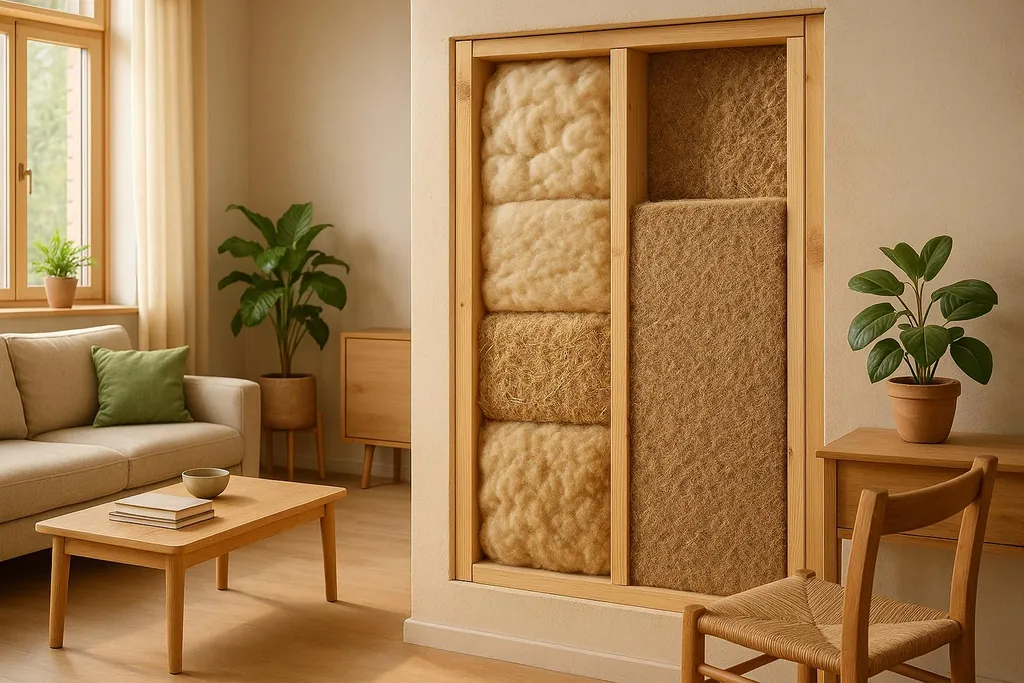
Explore the benefits of natural fiber insulation, including energy efficiency, sustainability, and healthier indoor air quality for your home.
Ultimate Guide to Natural Fiber Insulation
Looking for eco-friendly insulation options? Here's what you need to know: Natural fiber insulation offers a sustainable, energy-efficient alternative to synthetic materials. It's made from renewable resources like wool, hemp, cellulose, cotton, and straw, providing excellent thermal performance, better indoor air quality, and reduced carbon footprints. While the upfront cost is higher, the long-term benefits - like energy savings, durability, and biodegradability - make it a smart choice.
Key Benefits:
- Energy Efficiency: Cuts energy use by up to 15% and reduces carbon emissions by up to 80%.
- Moisture Management: Absorbs moisture without losing insulation properties (e.g., wool absorbs 30% of its weight).
- Sustainability: Made from recycled or renewable materials; decomposes naturally.
- Healthier Homes: Free of harmful VOCs; some materials (like wool) even neutralize indoor pollutants.
Popular Types:
- Sheep's Wool: R-value 3.5–4.0/inch; absorbs moisture; reduces noise by 10–15 decibels.
- Hemp: R-value 3.5–3.7/inch; absorbs CO₂ during growth; costs $1.35–$3.10/sq ft.
- Cellulose: R-value 3.2–3.8/inch; made from 75–85% recycled paper; costs $0.60–$2.30/sq ft.
- Cotton/Denim: Recycled textiles; hypoallergenic; VOC-free.
- Straw Bale: R-value ~30–35 for thick walls; high thermal mass; flame-resistant.
Quick Comparison:
| Insulation Type | R-Value | Cost Range (per sq ft) | Key Benefits |
|---|---|---|---|
| Sheep's Wool | 3.5–4.0/inch | Not specified | Moisture absorption, noise reduction |
| Hemp | 3.5–3.7/inch | $1.35–$3.10 | Carbon absorption, easy installation |
| Cellulose | 3.2–3.8/inch | $0.60–$2.30 | High recycled content, fire-resistant |
| Cotton/Denim | Varies | Not specified | Recycled materials, VOC-free |
| Straw Bale | ~R-30–35 (wall) | Not specified | High thermal mass, flame resistance |
Why Choose Natural Insulation?
- Lower Environmental Impact: Uses 85% less energy to produce compared to synthetic options like fiberglass.
- Durability: Lasts up to 50 years with proper care.
- Government Incentives: Tax credits and rebates can offset costs (e.g., 30% tax credit up to $1,200 annually).
Natural fiber insulation is ideal for homeowners seeking sustainable, energy-efficient, and healthier living spaces. Whether you're insulating an attic, walls, or floors, these materials provide long-term savings and environmental benefits.
6 Alternative BUILDING INSULATION Materials
Types of Natural Fiber Insulation
Picking the right natural fiber insulation depends on your needs, budget, and the specific requirements of your building. Each type has its own characteristics and strengths, making it suitable for different situations. Here's a closer look at some of the most popular options, along with their key features.
Sheep's Wool
Sheep's wool provides an R-value of 3.5–4.0 per inch, making it a solid insulator. It can absorb up to 30% of its weight in moisture without losing insulating ability. Plus, it has a low embodied carbon footprint - about 6 MJ/kg - and requires 85% less energy to produce compared to fiberglass. Beyond insulation, it reduces noise by 10–15 decibels and offers natural fire resistance. Its hypoallergenic qualities add to its appeal for eco-conscious homeowners.
Hemp Insulation
Hemp insulation, often available in batt form, is sometimes combined with flax, polyester, or kenaf fibers. It offers an R-value of 3.5–3.7 per inch and is highly sustainable, absorbing up to 6,500 pounds of carbon per acre during growth. Hemp matures in just 90–120 days, making it a renewable option. While denser than wool, it's non-toxic, vapor-permeable, and easy to install in walls, ceilings, and attics. Costs range from $1.35 to $3.10 per square foot.
Cellulose Insulation
Made from 75–85% recycled paper fiber, cellulose insulation is an environmentally friendly choice. It delivers an R-value of 3.2–3.8 per inch and is about three times denser than fiberglass. Boric acid is added to enhance fire resistance and soundproofing. This insulation is ideal for retrofits, new wall construction, and attics, helping reduce heating and cooling costs by 20–40% annually. Installation costs typically fall between $0.60 and $2.30 per square foot.
Cotton/Denim Insulation
This insulation is made from recycled textiles like denim, offering a hypoallergenic and eco-friendly alternative. It's a great fit for walls and ceilings with wood or metal framing. Free of harmful VOCs, it contributes to better indoor air quality and supports LEED certification efforts.
Straw Bale Insulation
Straw bale insulation repurposes agricultural byproducts into a high-performing material. When walls are built 18–20 inches thick, it can achieve R-values of about 30–35. This thickness also enhances thermal mass, creating a dense, flame-resistant structure that's both durable and sustainable.
---
Here's a quick comparison of the key features of these insulation types:
| Insulation Type | R-Value | Cost Range | Key Benefits |
|---|---|---|---|
| Sheep's Wool | 3.5–4.0 per inch | Not specified | Moisture absorption, low carbon footprint, noise reduction, natural fire resistance, hypoallergenic |
| Hemp | 3.5–3.7 per inch | ~$1.35–$3.10 per sq ft | Carbon absorption, non-toxic, easy to install |
| Cellulose | 3.2–3.8 per inch | ~$0.60–$2.30 per sq ft | High recycled content, fire safety, soundproofing |
| Cotton/Denim | Varies | Not specified | Recycled materials, hypoallergenic, VOC-free |
| Straw Bale | ~R-30–35 (wall) | Not specified | High thermal mass, flame resistance, sustainable |
When deciding, think about your local climate, budget, and where the insulation will be used. Each option brings unique benefits to help create a more energy-efficient and comfortable home.
Installation Methods for Natural Fiber Insulation
The way you install natural fiber insulation depends on the material, and proper safety measures are key to getting the best results. A well-done installation not only boosts insulation performance but also enhances its long-term benefits.
Preparation and Safety Tips
Before diving into any insulation project, take steps to secure the workspace. For instance, cover downlights to prevent overheating during and after installation. If you're using natural wool, you can skip the heavy-duty protective gear, making it a straightforward option for DIY projects.
Make sure you have these tools ready: a ladder, tape measure, stapler, and light covers. For wall insulation, you'll also need a stapler to attach fiber mesh to rafters before adding loose-fill insulation.
Clean and inspect the area first. Check roofs for any damage, seal gaps, add weatherstripping, and ensure proper ventilation. If pests are present, address the issue before starting the insulation work.
Always review local building and fire codes before beginning your project. Follow the manufacturer's instructions closely and complete air sealing tasks beforehand to improve thermal performance.
Once your workspace is prepped and safe, you can move on to the specific techniques for each insulation type.
Installation Techniques by Material Type
Sheep's Wool<br /> For roofing, you can fill bags or hessian sacks with wool and pin them to the roof structure, or build a wooden frame and tightly pack the wool inside. For floors, insert wool between joists and secure it well to keep pests out.
Cotton Batts<br /> For roofing, pin cotton batts between roofing boards and waterproofing layers. For floors, create a wooden framework under the floorboards and place batts in the gaps between joists. Adding a vapor barrier underneath provides extra moisture protection.
Cellulose<br /> This material requires specialized equipment like an insulation blower for proper installation. Wear a respirator mask to protect yourself from dust and chemicals, as cellulose often contains mineral borate and sometimes ammonium sulfate for fire and insect resistance. For walls, attach fiber mesh to rafters before blowing in the insulation.
Hemp<br /> Hemp batts are installed similarly to traditional batts. Cut them to fit snugly between studs without compressing them, ensuring full coverage around outlets and other wall penetrations.
Straw Bale<br /> For roofs, construct a framework between roof boards, add waterproofing, and tightly pack the straw. For floors, lay a vapor barrier first, then stuff straw under the joists before adding floorboards. Wire mesh around the straw can help deter rodents.
| Insulation Type | Roofing Method | Flooring Method | Special Considerations |
|---|---|---|---|
| Sheep's Wool | Fill bags/sacks, pin to roof or pack in a wooden frame | Insert between joists; secure tightly | No protective gear needed |
| Cotton Batts | Pin between roofing boards and waterproofing layers | Place in wooden framework under floorboards | Add a vapor barrier for moisture protection |
| Cellulose | Use insulation blower or vacuum method | Blow into spaces between floor joists | Requires a respirator mask |
| Straw Bale | Pack into framework with waterproofing | Stuff under joists with a vapor barrier; add floorboards | Use wire mesh to keep rodents out |
In many cases, vapor barriers are essential. Materials like kraft paper, aluminum foil, or white vinyl sheeting can serve as effective barriers. For specific applications, such as insulating air ducts, professionals often use weld pins, speed clips, or weatherproof coatings.
Common Installation Mistakes to Avoid
One frequent mistake is compressing insulation, which reduces its R-value and weakens its thermal performance. Always leave enough space for the material to expand to its intended thickness.
Failing to seal gaps properly can invite pests and lower insulation efficiency. This is especially important when working with loose-fill materials like sheep's wool or straw.
When installing cellulose insulation, moisture management is critical. Excess moisture can significantly lower its effectiveness, so ensure proper ventilation and use vapor barriers. Address any roof leaks or other moisture issues before installation.
Timing matters, too. Poor coordination with other contractors - like those handling plumbing, electrical, or HVAC work - can lead to delays or safety hazards. Plan your project carefully to avoid conflicts.
Lastly, skipping air sealing before installation can lead to air leaks, moisture problems, and even mold growth. Always complete air sealing first to ensure the best results.
For loose-fill insulation, follow the manufacturer's guidelines. These often include charts with details like the minimum settled thickness, weight per square foot, and coverage per bag to achieve the desired R-value.
Cost Analysis and Long-Term Benefits
Getting a clear picture of the costs and advantages of natural fiber insulation can help you make smarter choices for your home improvement projects. While the upfront price tag for these eco-friendly options is often higher than traditional materials, the long-term savings and benefits frequently make the investment worthwhile.
Initial Costs and Budgeting
Natural fiber insulation does come with a higher initial cost compared to synthetic alternatives, and the price varies depending on the material. On average, insulation costs range from $0.40 to $6.75 per square foot. For example, cotton or denim insulation typically costs 10–50% more than standard fiberglass, reflecting the added expense of using recycled materials. Similarly, wool insulation is about 20–30% more expensive upfront compared to synthetic options.
Here's a quick breakdown of costs by material:
- Cellulose: $0.60–$2.30 per square foot (one of the more affordable natural options)
- Hemp: $1.35–$3.10 per square foot
These higher costs often stem from the sustainable sourcing and specialized processing methods used to produce natural fibers.
When planning your budget, don't just consider material costs - factor in installation as well. Materials like sheep's wool and cotton batts are easier to handle, which can reduce labor expenses, whether you hire professionals or go the DIY route. Climate also plays a role in budgeting: colder areas may require more thermal insulation to retain heat, while hotter regions benefit from materials that block heat to cut cooling costs.
Energy Savings and Payback Period
Though natural fiber insulation may cost more upfront, the energy savings over time can offset the initial expense. Proper insulation minimizes heat transfer, keeping your home warmer in winter and cooler in summer. According to the Environmental Protection Agency, insulating areas like basements and attics can save the average homeowner 15% on heating and cooling costs, or about 11% of total energy bills. For a household spending $2,000 annually on energy, this translates to roughly $300 in savings each year.
For instance, wool insulation typically recoups its higher cost within 5–7 years, thanks to these energy savings. Real-life examples back this up: one retrofit project saw a 20% drop in energy costs with a payback period of just three years, while another achieved payback in only two years.
> "A well-insulated house will make you more comfortable in every season. And it's quieter, too." - Tom Silva, This Old House General Contractor
To maximize energy efficiency, focus on insulating critical areas like attics, basements, crawl spaces, ductwork, and walls. Plus, better insulation doesn't just save money - it helps lower greenhouse gas emissions, as residential properties account for nearly 20% of emissions in the U.S.
Government Incentives and Rebates
Federal and state programs can significantly reduce the upfront costs of natural fiber insulation, making it more accessible. For example, the Energy Efficient Home Improvement Tax Credit (25C) offers a 30% tax credit for energy efficiency upgrades, including insulation, with a cap of $1,200 per year.
Another program, the High-Efficiency Electric Home Rebate Act (HEEHRA), supports qualifying households. Low-income families can receive rebates covering 100% of insulation costs (up to $1,600), while moderate-income households can get 50% coverage for the same amount. These initiatives are especially important, as about 90% of U.S. homes are under-insulated, according to a 2024 study by NAIMA.
The rebate program is also expected to create a ripple effect in the job market, adding 462,430 installation jobs, 80,000 manufacturing jobs, and 800,000 indirect jobs.
To claim the tax credit, file IRS Form 5695 with the necessary documentation, including receipts and a Manufacturer Certification Statement. Starting in 2025, most qualifying products will need to be manufactured by approved suppliers and include a PIN on your tax return, though insulation materials are exempt from this requirement.
Keep in mind, the tax credit is nonrefundable - you can't receive more than what you owe in taxes. To make the most of it, consider spreading upgrades across several years to maximize the annual credit limits. Also, check for local utility rebates, which can often be combined with federal incentives for even greater savings.
Maintaining Natural Fiber Insulation
Taking care of natural fiber insulation is key to preserving its energy efficiency and lifespan. This type of insulation needs special attention to prevent moisture problems, pest invasions, and deterioration that could reduce its effectiveness.
Regular Inspections
Checking your insulation regularly - especially in spring and fall - can help you catch potential issues early. Spring inspections are particularly helpful, as they can reveal damage caused by winter weather before it escalates.
During these inspections, look for gaps, settling, moisture, mold, pest activity, and drafts around areas like pipes, wires, and the attic hatch. An infrared thermometer can be a handy tool for spotting thin coverage or gaps in insulation. Make sure the insulation's thickness meets the recommended level for your area, which is typically around 10.5 inches in most U.S. regions. If it has settled below this level, you may need to add more or replace it entirely. These routine checks also help you manage moisture effectively.
Moisture and Mold Prevention
Keeping your insulation dry is critical for preventing mold and mildew. Mold thrives when there's moisture, organic material, oxygen, and temperatures between 40°F and 100°F.
To minimize moisture, seal air leaks around pipes, wires, and the attic hatch using caulk or spray foam. Weatherstripping or insulation tape can help make the attic hatch airtight. Proper ventilation is equally important, especially in areas prone to high humidity like bathrooms, kitchens, and basements. Without good airflow, humidity can build up and create a breeding ground for mold.
If you notice a roof leak, address it immediately. Even a small leak can saturate natural fiber insulation, leading to mold growth and material breakdown. Keep your gutters and downspouts in good condition to direct water away from your home's foundation. In regions with consistently high humidity, using a dehumidifier to maintain indoor humidity levels below 50% can make a big difference.
Repair and Replacement
When inspections uncover problems, quick action is essential to maintain your insulation's performance. While conventional insulation often lasts 15–20 years, natural fiber insulation may need attention sooner if it's been exposed to moisture or pests.
To remove damaged insulation, wear gloves and use a knife or shovel to cut out wet or moldy sections. Dispose of the damaged material properly. Before installing new insulation, seal any air leaks around windows, doors, and utility openings with caulk or spray foam. Cut the new insulation slightly larger than the space it will fill to ensure a snug fit without compressing it, as compressed insulation is less effective.
If you're storing items in the attic, elevate them to avoid compressing the insulation. Always maintain the recommended 10.5-inch thickness to ensure your insulation performs as it should. After repairs, double-check for gaps or compression. Also, keep in mind the R-value requirements for your region, as different areas of your home may need varying levels of insulation resistance to meet building codes.
Conclusion: The Value of Natural Fiber Insulation
Natural fiber insulation stands out for its environmental benefits and reliable performance, making it an excellent choice for homeowners aiming to build sustainably. Switching to these eco-friendly materials can slash a building's carbon footprint by as much as 80%. Hemp insulation, for instance, captures up to 2 tons of CO₂ per ton of fiber. Beyond sustainability, these materials contribute to healthier homes and reduced energy costs, offering a well-rounded solution for modern living.
Key Takeaways
Choosing natural fiber insulation comes with a range of advantages. For starters, it promotes cleaner indoor air by avoiding the release of volatile organic compounds (VOCs), a common issue with synthetic options. This makes it a healthier choice for your family.
From a financial standpoint, the EPA estimates that proper insulation can cut heating and cooling costs by 15%. While natural fiber insulation may have a higher initial cost compared to synthetic alternatives, it often proves to be a better long-term investment. For example, wool insulation retains its R-value for over 50 years, ensuring consistent performance.
Natural fiber materials are also energy-efficient to produce. Wool insulation, for instance, uses 85% less energy during manufacturing and is biodegradable. Additionally, it excels in moisture management - wool can absorb up to 30% of its weight in moisture without losing its insulating properties. The soundproofing benefits are another plus, with natural fibers reducing noise transmission by 10–15 decibels more than fiberglass, creating a quieter and more comfortable home environment.
For homeowners ready to take the next step, there are practical ways to make the most of these benefits.
Next Steps for Homeowners
If you're considering natural fiber insulation, the first step is finding a contractor who understands these materials or is open to working with them. Partnering with an experienced professional ensures the installation is done properly and tailored to your home. Additionally, consulting an energy auditor can help pinpoint areas where insulation upgrades will have the most impact, such as attics, basements, crawl spaces, walls, ductwork, and pipes.
DIY Eco Homes is a valuable resource for homeowners embarking on this journey. They offer detailed guides, cost breakdowns for various natural fiber options, and maintenance tips to keep your insulation performing at its best. Whether you're building a new home or upgrading an existing one, their tools can help you make informed decisions based on your budget and climate.
The demand for green building solutions has made natural fiber insulation more accessible than ever. During the pandemic, wool insulation sales surged in the U.S. as homeowners prioritized indoor air quality. With hempcrete now included in the 2024 International Residential Code, these sustainable materials are becoming mainstream options for homeowners looking to combine eco-consciousness with practical benefits.
FAQs
What are the long-term cost savings of using natural fiber insulation compared to synthetic materials?
Natural fiber insulation, such as wool or cellulose, can lead to noticeable savings over time when compared to synthetic options. Although the upfront cost might be a bit higher, these materials often provide superior thermal efficiency, helping to lower energy expenses for heating and cooling in the long run.
On top of that, natural fibers generally require less energy to produce and tend to last longer, meaning fewer replacements and reduced maintenance costs. Over time, these benefits make natural fiber insulation a smart choice for both your wallet and your home's energy efficiency.
How do natural fiber insulation options compare in moisture control and fire safety?
Natural fiber insulation materials like sheep's wool, hemp, and cellulose each bring their own strengths when it comes to managing moisture and ensuring fire safety.
- Sheep's wool stands out for its ability to naturally absorb and release moisture, which helps keep indoor humidity in check. It's also treated to enhance its fire resistance.
- Hemp insulation allows air to flow, making it resistant to mold while maintaining its moisture-regulating abilities. However, its fire resistance is only moderate unless additional treatments are applied.
- Cellulose insulation, crafted from recycled paper, excels in moisture management and is typically treated with fire retardants, giving it strong fire-resistant properties.
The best choice depends on what your home needs and the specific environment it's in. Each of these materials offers a unique balance of benefits.
What challenges should I consider when installing natural fiber insulation in older homes?
Installing insulation made from natural fibers in older homes can be tricky, mainly because of their unique construction and age. Many of these homes were built with solid walls rather than the modern cavity walls we see today. That's why it's important to use breathable insulation materials - these allow moisture to escape, reducing the risk of mold and wood damage.
Another important factor to keep in mind is preservation guidelines. If the home is historic, there might be strict rules about changing its exterior or structural features, which could limit how and where you can install insulation. Working with professionals who specialize in historic preservation can help you boost energy efficiency while maintaining the home's original charm and character.