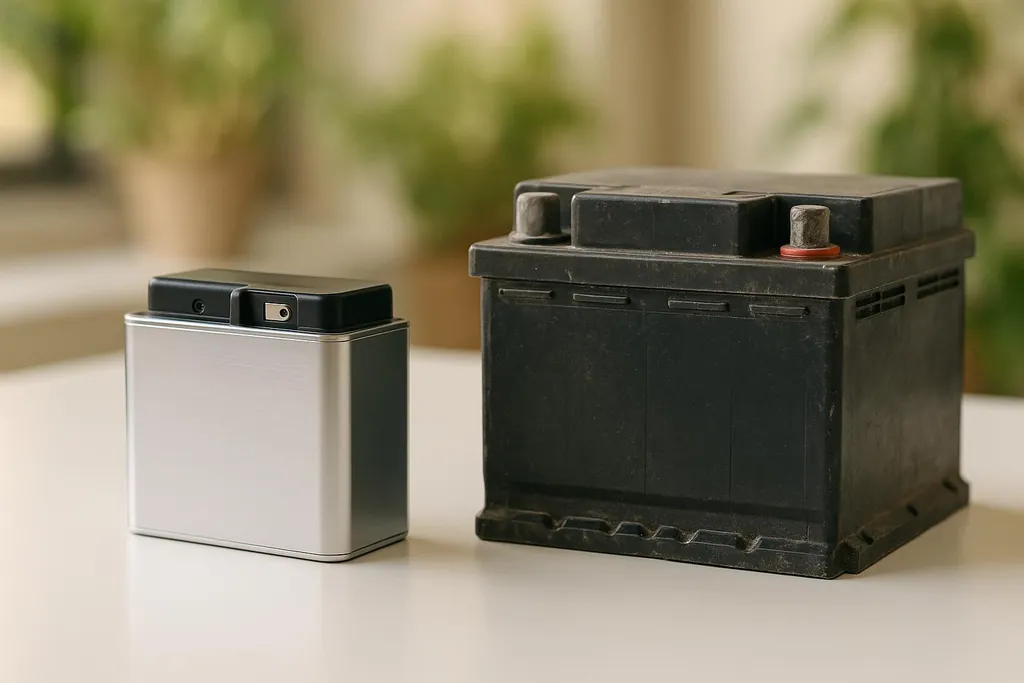
Explore the environmental impacts of lithium-ion vs lead-acid batteries, comparing production, lifespan, recycling, and safety.
Lithium-Ion vs Lead-Acid: Eco Impact Compared
Choosing between lithium-ion and lead-acid batteries for your home impacts cost, performance, and waste. Here’s what matters most:
- Production: Lithium-ion batteries require more energy and water to produce but last longer. Lead-acid batteries have a simpler production process but need frequent replacements.
- Lifespan & Efficiency: Lithium-ion batteries last 5,000–10,000 cycles (10–15 years) and are 90–95% efficient. Lead-acid lasts 500–1,000 cycles (5 years) with 80–85% efficiency.
- Recycling: Lead-acid batteries are recycled at a 99% rate, while lithium-ion recycling lags at 15–50% due to limited infrastructure.
- Safety: Lithium-ion risks overheating but newer types (LiFePO4) are safer. Lead-acid risks acid leaks and requires regular maintenance.
Quick Comparison
| Feature | Lithium-Ion (LiFePO4) | Lead-Acid |
|---|---|---|
| Lifespan | 10–15 years | 5 years |
| Cycle Life | 5,000–10,000 cycles | 500–1,000 cycles |
| Efficiency | 90–95% | 80–85% |
| Recycling Rate | 15–50% | 99% |
| Safety Risk | Overheating/fire | Acid leakage |
Lithium-ion batteries offer longer life and better performance, but lead-acid batteries excel in recycling and upfront cost. Your choice depends on priorities like budget, longevity, and disposal options.
Lead-Acid Vs Lithium (LiFePO4) Batteries for Solar Power
Production and Raw Material Sourcing
The environmental impact of battery production starts long before the batteries are assembled, with notable differences in how raw materials are sourced for lithium-ion and lead-acid technologies.
Material Extraction Processes
Lithium is primarily extracted from salt flats in South America's Lithium Triangle, where brine undergoes evaporation to concentrate lithium. While effective, this method comes with serious environmental concerns, including high water usage and potential ecological disruption.
Lead, on the other hand, is mined using well-established techniques from galena ore deposits. Major producers include China, Australia, and the United States. These differing extraction processes significantly shape the environmental footprint of each battery type.
Manufacturing Energy and Emissions
Producing lithium-ion batteries is energy-intensive but offers advantages in efficiency and longevity. However, the energy required during manufacturing contributes substantially to their environmental impact.
- For Lithium Iron Phosphate (LFP) batteries, 27% of the climate change impact comes from electricity used in production, while battery cell manufacturing accounts for 14%.
- Nickel Cobalt Manganese (NMC) batteries show slightly lower percentages, with electricity input at 16% and cell manufacturing at 9%.
- Nickel Cobalt Aluminum (NCA) batteries report 11% for both electricity and cell manufacturing impacts.
Lead-acid batteries, in contrast, have a much higher proportion of their climate impact tied to cell manufacturing - about 85% - with electricity input making up 25%. Here's a comparison of these production differences:
| Battery Type | Cell Manufacturing Impact | Manufacturing Electricity | Total Production Emissions (kg CO2eq/kWh) |
|---|---|---|---|
| Lead-Acid | 85% | 25% | 2.0 |
| LFP Lithium-Ion | 14% | 27% | 1.6 |
| NMC Lithium-Ion | 9% | 16% | 1.2 |
| NCA Lithium-Ion | 11% | 11% | 1.1 |
For those building [sustainable homes](/), these differences matter. While lead-acid batteries may have a lower initial manufacturing footprint, their shorter lifespan means they need to be replaced more often, increasing their overall environmental cost. By evaluating the entire lifecycle of a battery, you can make smarter choices for long-term energy solutions. Next, we’ll dive into how these batteries perform in actual use.
Usage and Performance Comparison
When it comes to batteries, their lifespan and efficiency play a big role in determining their overall impact on the environment. While emissions from production matter, how long a battery lasts and how efficiently it operates can significantly shape its ecological footprint.
Lifespan and Efficiency
Lithium-ion batteries stand out with a lifespan of 5,000–10,000 cycles, compared to the 500–1,000 cycles typical for lead-acid batteries . This means lithium-ion batteries need to be replaced far less often - five to ten times less, in fact. For those building eco-friendly homes, this translates to fewer replacements and a smaller overall impact. Lithium Iron Phosphate (LiFePO4) batteries, a type of lithium-ion battery, can last 10 to 15 years or more, whereas lead-acid batteries generally last about five years .
Energy efficiency is another area where lithium-ion batteries shine. They achieve a round-trip efficiency of about 90–95%, meaning they return 90–95 watts of energy for every 100 watts stored. In comparison, lead-acid batteries manage only 80–85% .
Depth of discharge (DoD) is also a key factor. Lithium-ion batteries can safely discharge between 80% and 100% of their capacity without reducing their lifespan. Lead-acid batteries, on the other hand, are limited to a 50% discharge to avoid damage . This allows lithium-ion systems to make much better use of the energy they store.
Next, let’s dive into the safety challenges these batteries present during operation.
Safety and Risks During Use
Safety is another area where lithium-ion and lead-acid batteries differ significantly. Lithium-ion batteries, while efficient, can overheat, catch fire, or even explode if damaged or misused. A major concern is thermal runaway, where the battery generates heat faster than it can release it, potentially leading to fire or explosion . However, not all lithium-ion batteries carry the same risk. LiFePO4 models are considered among the safest for home use, with a much lower risk of fire compared to other lithium-ion types .
Lead-acid batteries, on the other hand, pose a different set of risks. The sulfuric acid they contain can leak, potentially contaminating soil or groundwater if not handled properly . Their corrosive nature also requires careful handling and proper ventilation to avoid accidents.
To reduce risks with lithium-ion batteries, it’s recommended to install them in environments around 77°F (25°C), use fireproof enclosures, and ensure adequate ventilation . Additionally, the National Fire Protection Association advises using batteries certified by recognized testing labs and pairing them with compatible charging equipment .
| Performance Metric | Lithium-Ion (LiFePO4) | Lead-Acid |
|---|---|---|
| Cycle Life | 5,000–10,000 cycles | 500–1,000 cycles |
| Round-Trip Efficiency | 90–95% | 80–85% |
| Depth of Discharge | 80–100% | 50% |
| Typical Lifespan | 10–15 years | 5 years |
| Primary Safety Risk | Thermal runaway/fire | Acid leakage |
| Maintenance Requirements | Low | High (watering/venting) |
These differences in performance have a direct impact on sustainability. The longer lifespan and higher efficiency of lithium-ion batteries mean fewer replacements and less wasted energy over time. For those focused on building eco-conscious homes, lithium-ion technology offers a more responsible choice.
End-of-Life: Recycling and Disposal
Managing the end-of-life phase for batteries plays a key role in reducing their overall environmental footprint. The recycling and disposal methods for lithium-ion and lead-acid batteries differ significantly, with each having distinct challenges and opportunities.
Recycling Infrastructure and Rates
Lead-acid batteries are a success story when it comes to recycling. In the U.S., an impressive 99% of lead-acid batteries are recycled, making them one of the most recycled products in the country. This prevents more than 160 million lead batteries from ending up in landfills annually. The recycling process involves crushing the batteries and separating the materials - lead is purified for reuse, plastics are recycled, and the acid is neutralized. Thanks to this process, a new lead-acid battery typically contains over 80% recycled materials.
On the other hand, recycling lithium-ion batteries is far more complicated. Estimates for U.S. recycling rates vary widely, ranging from less than 15% to as much as 50%. The process involves discharging, dismantling, and using chemical treatments to recover key materials like lithium, cobalt, and nickel. However, as John Connell of Crown Battery explains:
> "Recycling for LI and LFP is often unprofitable (e.g., virgin lithium is six times cheaper than recycled lithium). There's also no nationwide recycling infrastructure or legislation for LI and LFP batteries."
With the rapid growth of electric vehicles, experts estimate that by 2030, around 11 million metric tons of lithium-ion batteries will reach the end of their useful lives.
| Battery Type | Recycling Rate (U.S.) | Infrastructure Status | Economic Viability |
|---|---|---|---|
| Lead-Acid | 99% | Established nationwide | Highly profitable |
| Lithium-Ion | 15–50% | Limited, still developing | Often unprofitable |
| Annual Volume Kept from Landfills | 160+ million units | \- | \- |
These differences in recycling infrastructure highlight the need to address disposal risks for both battery types.
Disposal Risks
Improper disposal of batteries can have serious environmental and health consequences. For lead-acid batteries, the danger lies in their toxic lead content, which can contaminate soil and water. The health effects are severe:
> "Excessive lead exposure can lead to serious health issues such as brain damage, kidney dysfunction, and developmental problems in children. Improper disposal can lead to leakage into soil and water, resulting in contamination that harms plants, animals, and humans."
Additionally, fires involving lead-acid batteries release pollutants into the air, worsening air quality and causing respiratory issues.
Lithium-ion batteries, while free of lead, still pose risks. They contain toxic metals like cobalt, nickel, and manganese, which can leach into soil and groundwater if not handled correctly. However, recycling advancements are showing promise. Alex Pisarev, CEO of OneCharge, notes:
> "Our batteries are highly recyclable - based on our Bill of Materials on average we have 83% of steel and copper, by weight. They are close to 100% recyclable. There are technologies being developed to recycle the rest, which is Li-ion cells themselves. Some companies already claim 50%, which takes OneCharge batteries to around 90% recycling rate."
For homeowners and those building eco-friendly homes, these end-of-life factors are critical. Lead-acid batteries benefit from a well-established recycling system but carry immediate risks if mishandled. Lithium-ion batteries, while harder to recycle today, avoid lead-related hazards and generally last longer, reducing the frequency of disposal. As recycling technologies improve, responsible battery disposal should be a top priority for anyone aiming to create sustainable, energy-efficient homes.
Proper end-of-life management ensures that the environmental benefits of sustainable battery choices are maximized. The message is clear: recycling is not optional - it’s a necessity for minimizing the environmental impact of both battery types.
Overall Impact and Recommendations
Lifecycle Impact Comparison
When looking at the entire lifecycle - from production to disposal - lithium-ion batteries tend to have a smaller environmental footprint compared to lead-acid batteries in several key areas. While lithium extraction is known for its water-intensive processes, the longer lifespan and greater efficiency of lithium-ion batteries help offset these initial impacts. In contrast, lead-acid batteries often need frequent replacements, which increases their overall environmental burden.
One clear advantage of lead-acid batteries is their well-established recycling system, boasting a 99% recycling rate. However, this benefit is tempered by the higher environmental costs of production and their shorter lifespan. Additionally, the source of electricity used during the operation of either battery type plays a major role in determining its overall environmental impact. These differences in production, usage, and disposal are critical when deciding on a sustainable home battery system.
Considerations for DIY Eco Homes
With these lifecycle insights in mind, here are some practical factors to consider for eco-friendly DIY home projects:
Balancing Budget and Longevity: Lithium-ion batteries come with a higher upfront cost but last significantly longer, reducing the need for replacements and the waste associated with them. Lead-acid batteries are less expensive at the start but may lead to greater environmental costs over time due to their shorter lifespan and frequent replacements.
Space and Installation Needs: Lead-acid batteries have a lower energy density, meaning they take up more space and require additional support, which can drive up construction costs. Lithium-ion batteries, being more compact and lightweight, are a better fit for homes where space is limited.
Recycling Availability: Lead-acid batteries benefit from widely available recycling programs, while lithium-ion batteries often require specialized facilities for proper recycling. It’s important to research local recycling options to ensure responsible disposal of whichever battery type you choose.
Safety Considerations: Lithium-ion batteries, particularly those using LiFePO4 (LFP) chemistry, provide improved safety for DIY installations. They avoid the risks of corrosive leaks that are common with lead-acid batteries.
Planning for the Future: Emerging technologies like sodium-ion batteries may offer even better environmental performance in the future. These batteries use far less water during production compared to lithium-based options, making them a promising alternative.
For most residential energy storage needs, lithium-ion batteries - especially those with LFP chemistry - stand out for their lower environmental impact and practical benefits. However, it’s important to plan for responsible recycling and disposal, as well as to evaluate your specific needs, such as budget, available space, and local recycling programs. As recycling technologies improve and alternative battery options develop, the advantages of lithium-ion batteries are likely to grow even further.
Conclusion
Lithium-ion batteries stand out for their lower greenhouse gas emissions and reduced resource consumption compared to lead-acid batteries. While lead-acid batteries boast a well-established recycling system with an impressive 99% recycling rate, their shorter lifespans and higher overall environmental impacts limit this advantage.
Our lifecycle analysis highlights how advancements in recycling processes can amplify the environmental benefits of lithium-ion technology. Recycling these batteries significantly decreases emissions, water usage, and energy consumption when compared to extracting new materials. It also minimizes transport distances, making it a more sustainable alternative . These recycling improvements pave the way for a greener future in residential energy storage.
> "EVs definitely are good for the environment, and we're now finding new ways to make them even more so... This study, I think, tells us that we can design the future of battery recycling to optimize the environmental benefits. We can write the script." > – William Tarpeh, Assistant Professor of Chemical Engineering at Stanford University
For eco-conscious homeowners and DIY builders, these advancements in lithium-ion recycling strengthen the environmental case for choosing this battery type. Although the recycling systems for lithium-ion batteries are still evolving, they are steadily progressing.
Selecting the right battery requires balancing sustainability with practicality. Lithium-ion batteries, with their higher energy density and extended lifespans, emerge as a strong choice for residential energy storage. As recycling technologies continue to advance, the environmental advantages of lithium-ion batteries are expected to grow, offering homeowners a cleaner and more sustainable solution for the future.
FAQs
How do lithium-ion and lead-acid batteries compare in terms of environmental impact for home energy storage?
Lithium-ion batteries tend to have a smaller environmental footprint compared to lead-acid batteries when used for home energy storage, though each comes with its own set of challenges.
One advantage of lithium-ion batteries is that they don’t include harmful substances like lead or sulfuric acid, making them less hazardous. They also have a longer lifespan and are more efficient in storing energy. However, their recycling rates remain disappointingly low - less than 5%. Additionally, extracting materials like lithium and cobalt can have negative environmental effects.
Lead-acid batteries, in contrast, boast an impressive recycling rate of nearly 99%, which helps mitigate waste. But the presence of toxic lead makes them a significant environmental risk if not handled with care. Overall, lithium-ion batteries are often seen as the greener option, especially when recycling and management practices are improved.
What are the differences in recycling lithium-ion and lead-acid batteries, and what challenges does each face?
Recycling lithium-ion batteries is far more challenging than recycling lead-acid batteries, mainly because of their complex material composition, intricate designs, and safety risks like flammability. While lead-acid batteries boast an impressive recycling rate of up to 99%, thanks to a well-established and straightforward process, lithium-ion battery recycling is still an evolving field with numerous obstacles.
Some of the main hurdles in lithium-ion recycling include the difficulty of recovering valuable materials like lithium, the complexity of separating various components, and the high costs involved. On the other hand, lead-acid batteries are much simpler to recycle due to their fewer components and less complicated technology. That said, progress is being made in lithium-ion recycling to make it more efficient and to minimize its environmental footprint.
What are the key safety precautions for installing lithium-ion batteries at home?
When setting up lithium-ion batteries at home, safety should always come first. Keep these precautions in mind:
- Pick the right spot: Place the batteries in a dry, well-ventilated area, away from anything flammable. Avoid installing them in living spaces.
- Keep an eye on temperature: Charge batteries in environments between 32°F and 105°F to avoid damage from extreme heat or cold.
- Check for issues: Regularly inspect the batteries for signs of wear, overheating, or physical damage.
- Add safety measures: Install fire detection and suppression systems close to the battery setup for added protection.
Taking these steps not only enhances safety but also helps extend the life of your batteries while minimizing risks like overheating or fires.