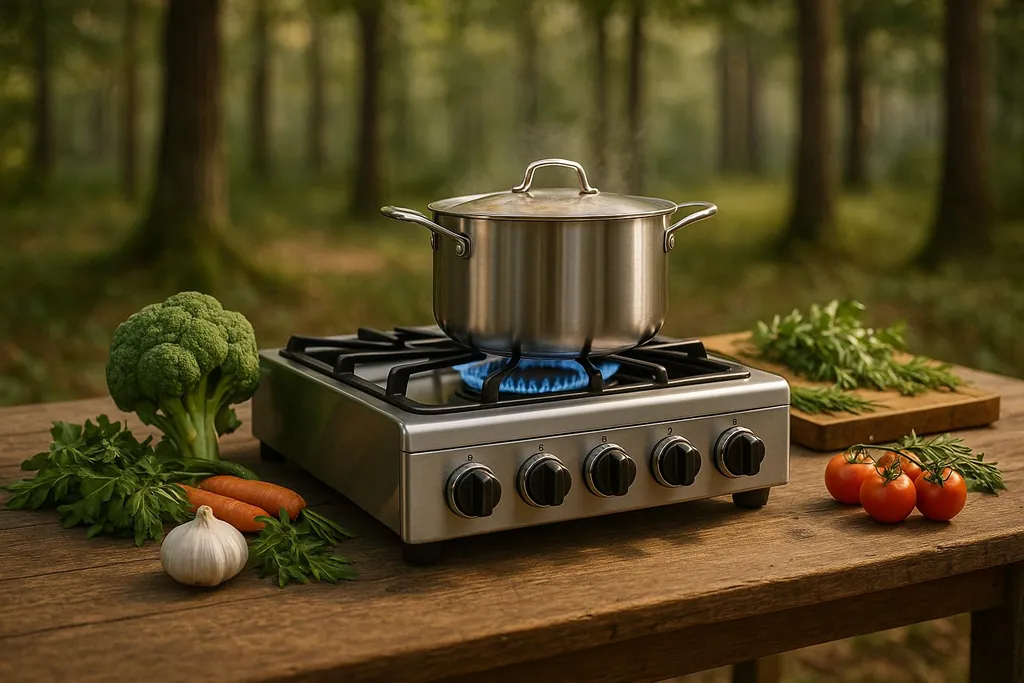
Explore reliable propane stoves for off-grid living, focusing on performance, safety features, and efficient cooking for families.
Best Propane Stoves for Off-Grid Families
Looking for a reliable cooking solution for your off-grid home? Propane stoves are a dependable choice, offering consistent performance, precise temperature control, and independence from the electrical grid. Here's what you need to know:
- Why Propane Stoves Work: They perform well in remote areas, are easy to fuel with widely available propane, and operate efficiently in any weather.
- Key Features to Consider: Focus on size, durability (stainless steel, cast iron grates), fuel efficiency, and safety features like flame failure devices and proper ventilation.
- Top Picks:
- Camp Chef Pro 60X: High heat output (60,000 BTUs), portable, and great for large families or outdoor cooking ($379.99).
- Coleman Classic: Lightweight, compact, and budget-friendly for small families or camping ($97.49).
- Unique 30" Off-Grid Range: Full kitchen functionality with four burners and a spacious oven for permanent setups ($1,171–$1,999).
Quick Comparison
| Stove Model | BTU Output | Portability | Price Range | Best For |
|---|---|---|---|---|
| Camp Chef Pro 60X | 60,000 | Portable | $200–$380 | Large families, outdoor use |
| Coleman Classic | 20,000 | Highly portable | $97.49 | Small families, camping |
| Unique 30" Range | 35,200 | Stationary | $1,171–$1,999 | Permanent off-grid kitchens |
Whether you're setting up a full off-grid kitchen or need a portable option, propane stoves offer reliable cooking power. Read on for safety tips, maintenance advice, and more details about each model.
Unique Off Grid Propane Oven Review
What to Look for When Choosing a Propane Stove
Finding the right propane stove for your off-grid family means focusing on features that fit your cooking needs and available kitchen space. A well-chosen stove ensures reliable and efficient cooking, even in remote locations.
Size and Cooking Capacity
The size of your stove should match both your meal preparation habits and the space you have in your kitchen. It’s also important to leave enough clearance for safe operation and proper ventilation.
For smaller off-grid homes, compact models like the Unique Appliances UGP-20G-OF1-W are a great option. Released in June 2023, this 20-inch range includes a 2.4-cubic-foot oven, battery ignition, and sealed burners, making it a solid choice for families with limited space who still want a fully functional cooking setup.
Consider your cooking routine. A two-burner stove might work for a family of four preparing simple meals, but larger families or those who enjoy more elaborate cooking may need extra burners or an oven. If you often can food, cook in large batches, or entertain guests, you’ll want to account for those needs as well.
Once you’ve settled on size, it’s time to think about durability.
Build Quality and Materials
Off-grid living requires appliances that can handle daily use without constant repairs. A propane stove built from durable, low-maintenance materials is essential.
- Stainless Steel: This material resists rust, dents, and corrosion, and it’s easy to clean - making it ideal for rugged environments.
- Cast Iron Grates: These provide excellent stability for heavy pots and pans, distribute heat evenly, and retain heat to maintain consistent cooking temperatures.
- Sealed Burners: These prevent spills and debris from getting into the internal components, making cleanup much easier.
Look for stoves with safety certifications like NSF (National Sanitation Foundation) and ETL (Electrical Testing Laboratories). Some gas ranges made in the USA use high-quality porcelain-coated heavy-gauge steel, which reflects the kind of sturdy construction you should prioritize.
| Feature | Benefit |
|---|---|
| Stainless Steel | Resists rust, dents, and corrosion; easy to clean |
| Cast Iron Grates | Support heavy cookware and maintain even heat distribution |
| Sealed Burners | Simplify cleaning and prevent internal damage from spills |
Durability is key, but don’t overlook fuel efficiency and safety features.
Fuel Efficiency and Safety Features
In off-grid living, every gallon of propane matters. High fuel efficiency not only saves money but also reduces the frequency of propane deliveries - a logistical win when living remotely.
Modern propane stoves are designed to be efficient. For example, in January 2025, Foster Fuels noted that propane furnaces can achieve efficiency ratings as high as 98%, converting nearly all fuel into heat . While stoves use different metrics, this highlights the efficiency potential of propane appliances.
Look for stoves with variable BTU burners so you can adjust heat levels to match your cooking needs. Safety features like flame failure devices, which shut off gas flow if the flame goes out, are essential for preventing dangerous gas buildup. Ventilation is equally important to avoid carbon monoxide accumulation, especially when emergency services aren’t nearby.
Propane stoves also offer instant heat and precise temperature control, helping you conserve fuel by avoiding overheating. Regular maintenance is crucial in off-grid setups, so choose models with removable drip trays and easy-to-clean burner assemblies to save time and effort.
When it comes to cost, propane stoves vary widely. Entry-level models range from $500 to $2,000, mid-range options typically fall between $2,000 and $5,000, and high-performance units can exceed $5,000.
Best Propane Stoves for Off-Grid Families
When it comes to propane stoves for off-grid living, these three models stand out. Each one caters to different needs, whether you're cooking for a large group, seeking portability, or setting up a full kitchen.
Camp Chef Pro 60X Two Burner Stove
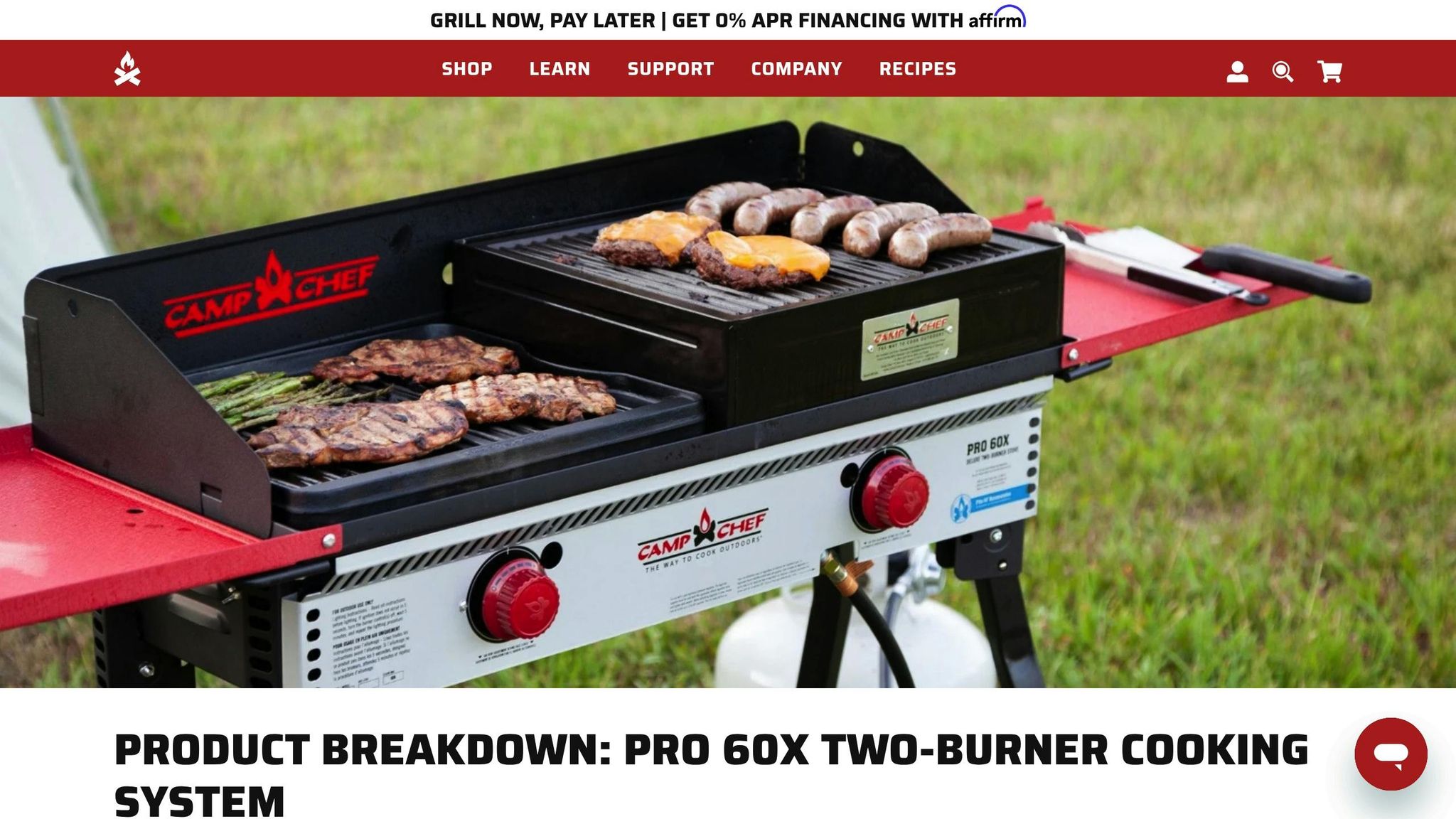
The Camp Chef Pro 60X is a powerhouse for outdoor cooking, offering two burners that each produce 30,000 BTUs, for a total of 60,000 BTUs. Weighing 48.5 pounds and featuring 448 square inches of cooking space, this stove is perfect for large families or group gatherings.
Key Features:
- Matchless ignition system - no matches or lighters needed
- Three-sided windscreen to shield burners from the wind
- Folding legs and side shelves for portability and easy storage
- Adjustable leg levelers for stability on uneven surfaces
- Compatible with 14-inch accessories for added versatility
The stove has earned a 4.6 out of 5-star rating on Amazon. A satisfied customer, Victor, shared:
> "The stove is very well built and has heft...the quality of the hardware used and by the construction details that this stove will be cooking long after I'm gone."
Priced around $379.99, the Pro 60X is ideal for those who need durability and high heat output, even in challenging weather.
Best for: Large families, frequent entertainers, and anyone needing maximum cooking power outdoors.
Coleman Classic Propane Stove
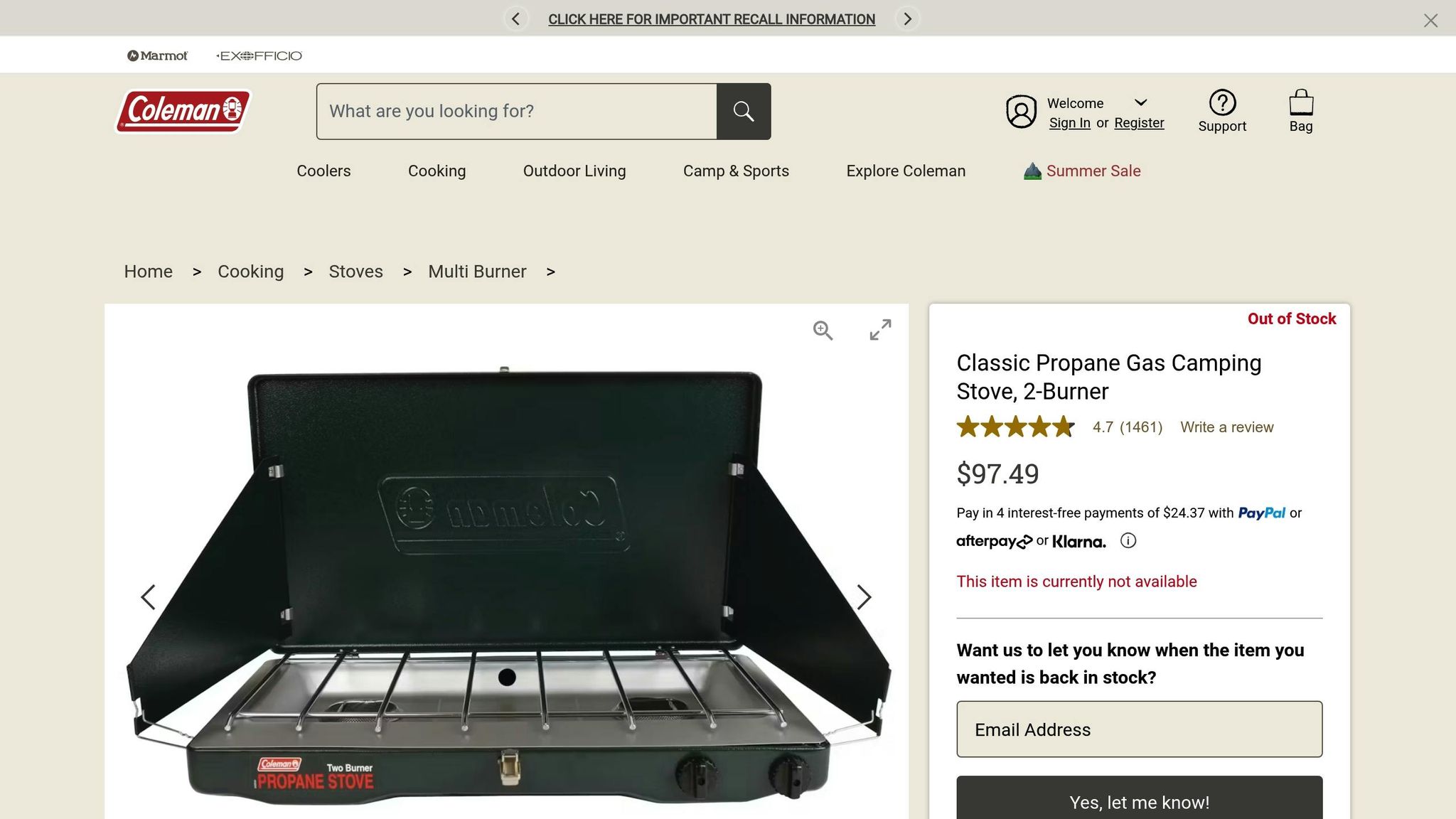
If portability and simplicity are your priorities, the Coleman Classic is a reliable and budget-friendly choice. Compact and lightweight at 11.65 pounds, it measures 13.7″ x 4.1″ x 21.9″, making it easy to carry and store.
Key Features:
- Total output of 20,000 BTUs (10,000 BTUs per burner)
- Can hold a 12-inch and a 10-inch pan at the same time
- Runs on widely available 1-pound propane bottles
- Straightforward setup and takedown
This stove is a favorite among users, boasting a 4.8 out of 5-star rating from over 20,935 reviews on Amazon . While its durability and ease of use are praised, some users note that adjusting the flame can be a bit tricky.
Best for: Small to medium families and those looking for a simple, portable option.
Unique 30" Off-Grid Propane Range
For those wanting a full kitchen experience off-grid, the Unique 30" Off-Grid Propane Range offers the functionality of a traditional range. This full-size appliance includes four burners with a combined output of 35,200 BTUs and a spacious oven with a 3.9-cubic-foot capacity and a 24″ x 22.5″ broiling area.
Key Features:
- Battery-operated ignition (requires one D-cell battery)
- Cast iron grates and sealed burners for easy cleaning
- Large oven space for baking, roasting, and broiling
- Pre-configured for propane with the option to convert to natural gas
- Designed to provide full kitchen capabilities for off-grid living
Priced between $1,171 and $1,999, it has a 3.4/5-star rating from seven reviews, with 57% giving it 5 stars .
Best for: Large families, serious cooks, and those setting up permanent off-grid homes.
Quick Comparison Chart
For a side-by-side look at these stoves, check out the table below:
| Stove Model | BTU Output | Weight | Price Range | Best For |
|---|---|---|---|---|
| Camp Chef Pro 60X | 60,000 BTU | 48.5 lbs | $200 – $380 | Large families, high-heat cooking |
| Coleman Classic | 20,000 BTU | 11.65 lbs | N/A | Small families, budget-conscious |
| Unique 30" Off-Grid Range | 35,200 BTU | N/A | $1,171 – $1,999 | Permanent off-grid homes, full kitchen setup |
Each of these stoves brings something different to the table, so your choice should depend on your cooking needs, family size, and off-grid lifestyle goals.
Propane Stove Comparison Chart
Selecting the right propane stove for your off-grid cooking needs depends on your priorities - whether you need something portable for quick meals or a full-sized appliance for a permanent kitchen setup. Here's a side-by-side look at three popular models:
| Feature | Camp Chef Pro 60X | Coleman Classic | Unique 30" Off-Grid Range |
|---|---|---|---|
| Number of Burners | 2 | 2 | 4 |
| Total BTU Output | Not specified | 20,000 BTU | 35,200 BTU |
| Dimensions | N/A | 22.5″ x 5″ x 14.5″ | 39.4″–41.5″ H x 30″ W x 27.5″ D |
| Ignition Type | Not specified | Match flame ignition | Battery-operated ignition |
| Oven Included | No | No | Yes (3.9 cu ft) |
| Portability | Portable | Highly portable | Stationary appliance |
| Price Range | Not specified | $97.49 | $1,171–$1,999 |
| Customer Rating | Not specified | 4.7/5 stars | 3.4/5 stars |
| Fuel Efficiency | Not specified | Runs for about 1 hour on high using a 16.4 oz cylinder | Not specified |
| Special Features | Not specified | WindBlock panels | Cast iron grates, heavy-duty handles |
Key Takeaways
Cooking Power: The BTU output reflects the heat intensity each stove can deliver. The Coleman Classic offers 20,000 BTUs, perfect for basic cooking tasks, while the Unique range provides a whopping 35,200 BTUs across four burners, ideal for more demanding cooking needs.
Ignition Systems: These vary significantly. The Coleman Classic uses a manual match-light system, while the Unique range offers the convenience of battery-operated ignition.
Portability: If portability is a priority, the Coleman Classic is an excellent choice. Its compact size and lightweight design make it easy to carry for camping trips or to move around your property. The Camp Chef Pro 60X is also portable but better suited for semi-stationary use due to its larger size. On the other hand, the Unique range is a stationary appliance, designed to be a permanent fixture in your off-grid kitchen.
Customer Feedback: The Coleman Classic is highly rated at 4.7/5 stars, with users praising its durability and long-lasting performance. However, some have noted difficulty achieving a low simmer. The Unique range has a lower customer rating of 3.4/5 stars, which could reflect its smaller review sample size.
Usage Recommendations:
- Coleman Classic: A great option for everyday meals and short-term use, especially if portability is key.
- Camp Chef Pro 60X: Ideal for those who need higher heat output and a more robust cooking setup.
- Unique 30" Range: Best for those seeking full kitchen functionality in a permanent off-grid setup.
Whether you're planning a camping trip or setting up a long-term off-grid kitchen, there's a propane stove to match your needs.
How to Use Propane Stoves Safely and Efficiently
Taking the right precautions and keeping your propane stove in good condition can help you use it efficiently while protecting your home and family.
Proper Ventilation and Installation
Good ventilation is key when using propane stoves indoors. Without it, carbon monoxide can build up, which poses a serious health risk. To ensure safe operation, consider installing an overhead range hood to vent combustion gases outside. If that's not an option - like in some off-grid setups - simply opening a nearby window can improve airflow.
Make sure to add carbon monoxide and propane gas detectors in your kitchen. Place them near the stove but not directly above it, as normal cooking vapors could trigger false alarms.
> "Best practice is to install a carbon monoxide detector near where you have propane or natural gas burning. In this case, in the kitchen not far from the oven or stove." - Outdoor Troop
For added safety, store your propane tanks outdoors and connect them to your stove using a gas hose. This reduces the risk of gas leaking and accumulating indoors. Always turn off the propane tank valve when the stove isn't in use, and inspect valves, controls, hoses, burners, and fuel ports regularly for any signs of wear or damage.
These steps not only improve safety but also set you up for efficient and reliable stove use.
How to Save Propane Fuel
Once safety is covered, you can focus on using propane more efficiently. One easy way is to cook quick, pre-prepared meals or one-pot dishes that combine proteins, vegetables, and grains. These methods reduce the time your stove is running, conserving fuel.
Another tip is to adjust the flame properly. Use high heat to quickly bring food to temperature, then lower it to maintain a simmer. Keeping burners on high when it's not necessary wastes propane over time.
Regular Maintenance Tasks
Routine maintenance is just as important as proper installation for keeping your stove safe and efficient. Start by cleaning the burners regularly with a non-abrasive sponge. For tougher stains, a baking soda paste works well. Clear burner ports are essential for even gas flow and efficient combustion.
Every few months, check your gas connections with soapy water. If you see bubbles forming, you’ve got a leak. Tighten connections or replace worn parts immediately to prevent hazards.
Take time to inspect and clean the burner assemblies. Remove burner caps and grates as outlined in your stove’s manual, and ensure air shutters are adjusted correctly for complete combustion.
Test the ignition system periodically. If you notice delays or issues lighting the burners, clean the ignition components or replace batteries if needed. Ignition problems not only waste fuel but can also be dangerous.
> "Regular cleaning is vital for maintaining a gas stove. Dust and debris can build up on the unit, reducing its ability to properly heat your home and potentially leading to safety hazards." - Energysavers
Finally, schedule an annual professional inspection. A technician can check gas pressure, examine internal components, and confirm that your stove is working as it should. Replace filters and other parts as recommended by the manufacturer, typically every six months to a year, depending on how often you use the stove and the environment it’s in.
> "Maintaining your propane appliances is essential for ensuring their optimal performance, safety, and longevity." - Collett Propane
Conclusion
Your propane stove is more than just a cooking tool - it's a cornerstone of a dependable off-grid lifestyle. By following the safety and efficiency tips outlined earlier, you can make the most of its capabilities while enjoying the freedom of off-grid living.
Propane stoves offer precise temperature control and fast heat adjustments, so you don't have to give up your favorite recipes or cooking techniques. Plus, propane is a cost-effective and environmentally conscious choice, making it a smart option for sustainable living.
Whether you opt for a budget-friendly model like the Coleman Classic or a full-sized range, a propane stove brings consistency and reliability to your off-grid kitchen. With proper care and maintenance, it becomes an essential part of your daily routine, helping you maintain comfort and quality while living sustainably.
Off-grid living doesn't mean giving up the joys of home cooking. Investing in a propane stove ensures convenience, great meals, and a commitment to long-term eco-friendly living.
For more tips and ideas on creating the perfect off-grid kitchen, check out [DIY Eco Homes](/).
FAQs
How can I choose the right size and number of burners for a propane stove for my off-grid family?
When picking the right size and number of burners for your propane stove, think about your family's cooking habits and what you typically prepare. Smaller burners work well for tasks like simmering sauces or cooking delicate dishes, while larger burners are better for boiling water quickly or handling bigger pots and pans. For most off-grid households, a stove with 3 to 4 burners strikes a good balance. If you have a smaller family, 3 burners should suffice. Larger families or those who like to prepare several dishes at once might find 4 burners more practical.
Another key factor is the BTU rating of the burners. Burners with higher BTUs deliver more heat, making them perfect for quick cooking or high-temperature tasks. On the other hand, lower BTU burners are ideal for slow, steady heating. Be sure to choose a stove that matches the type and quantity of meals you cook most often to ensure it fits your needs.
What safety features should I consider when choosing a propane stove for off-grid living?
When choosing a propane stove for off-grid living, it's crucial to focus on safety and reliability. Start by looking for sealed burners, which help prevent gas leaks and spills. Another key feature is a battery ignition system - this eliminates the need for electricity, making it a dependable choice for remote locations.
For added convenience and safety, opt for stoves with heavy-duty handles and continuous cast iron grates, ensuring stability and secure handling during cooking. Don’t overlook the importance of a built-in gas regulator, which keeps the gas flow steady and prevents dangerous over-pressurization. These features make your stove a safer and more practical option for life off the grid.
What’s the best way to keep my propane stove safe and running efficiently over time?
To keep your propane stove running safely and efficiently, make it a habit to clean the burners regularly. This helps remove debris or carbon buildup that can interfere with performance. It's also important to check the connections and hoses now and then. A simple way to test for leaks is by using a soapy water solution - if you see bubbles forming, there's a leak that needs immediate attention. Don’t forget about ventilation; good airflow is essential to avoid gas buildup.
For long-term upkeep, consider scheduling regular inspections or servicing with a professional. They can spot wear and tear and ensure everything is in good working order. Routine maintenance not only prolongs the life of your stove but also ensures your off-grid cooking remains safe and hassle-free.