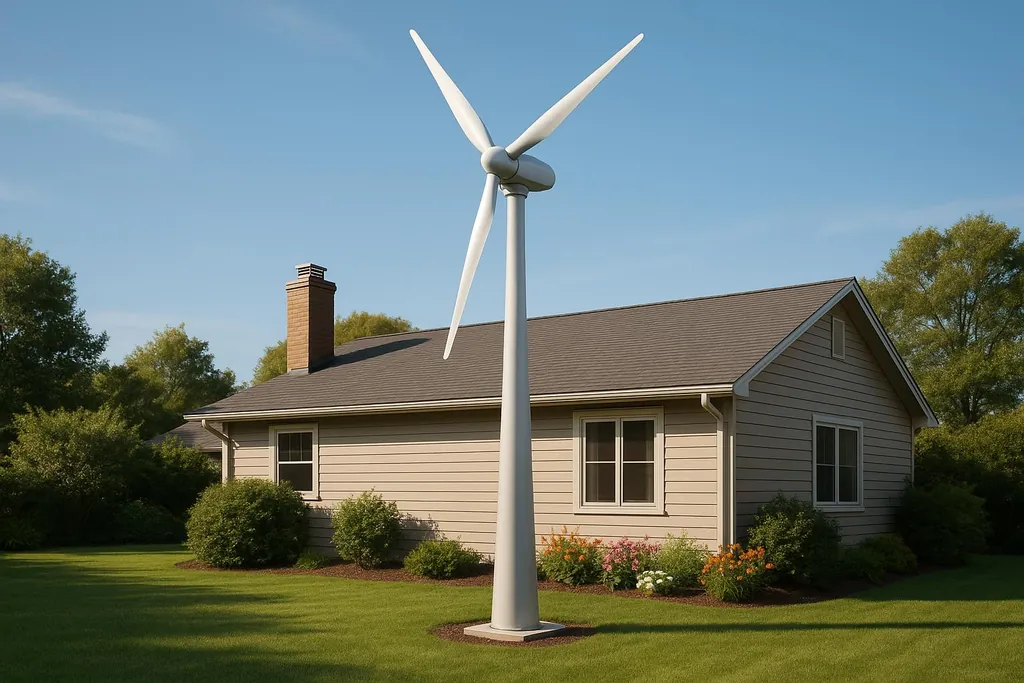
Learn about the safety challenges and key considerations for residential wind turbines, including maintenance, regulations, and emergency preparedness.
Residential Wind Turbine Safety: Key Considerations
Residential wind turbines offer a way to generate clean energy at home, but they come with safety challenges that you need to manage. Unlike utility-scale turbines located in remote areas, residential systems operate close to homes, requiring extra care. Here’s what you need to know:
- Common Risks: Blade detachment, noise, shadow flicker, and fire hazards. Proximity to homes amplifies these risks.
- Noise Levels: Even small turbines can produce 55 dB of noise at 50 feet, which may irritate sensitive individuals.
- DIY Installations: Improper setups can lead to electrical hazards, ice buildup, and structural issues.
- Regulations: Follow local zoning laws, height limits, and certifications like UL 6142 to ensure safety.
- Maintenance: Costs average $37/kW annually. Regular checks for electrical, structural, and mechanical issues are critical.
- Emergency Plans: Have a clear protocol for severe weather, including disconnecting the system and securing parts.
Residential turbines provide energy independence but require careful planning, proper installation, and ongoing maintenance to minimize risks. If you’re considering one, professional guidance and adherence to safety standards are essential.
1\. Residential Wind Turbines
Safety Hazards
Having a residential wind turbine comes with its own set of risks that homeowners should be aware of. One of the most serious dangers is blade failure. If a blade detaches, it can travel a considerable distance, potentially causing severe injury or even death .
Noise is another issue to consider. While residential turbines are quieter than their commercial counterparts, their proximity to homes can make the constant "swoosh" of the blades an irritation for neighbors . In some cases, the high-speed rotation of the blades can generate enough noise to contribute to hearing issues .
Another concern is shadow flicker, which happens when the turbine blades cast moving shadows through windows. This can be particularly bothersome in residential areas where turbines are closer to living spaces.
Fire hazards are also a risk, especially in smaller systems that may lack the advanced safety features found in larger turbines. Electrical fires can spread quickly, potentially endangering nearby structures. Proper installation and regular maintenance are essential to mitigate these risks.
To address these hazards, strict compliance with regulatory standards is a must.
Regulatory Standards
The first step in ensuring safety is to purchase a wind turbine that meets established performance and safety standards . Certifications from organizations like the Small Wind Certification Council and UL (such as UL Standard 6142 for turbines up to 1,500 V AC) verify that the turbine is safe, durable, and performs as expected . These certifications are designed specifically for the needs of residential systems. Additionally, Local Authorities Having Jurisdiction (AHJ) ensure compliance with broader U.S. installation standards, including the National Electric Code (NEC), National Electrical Safety Code (NESC), and ANSI/IEEE C2 .
Zoning regulations also play a significant role in residential turbine safety. Many local areas limit turbine height to 35 feet, though exceptions can sometimes be granted . It’s a good idea to contact local building inspectors or planning boards to research zoning and permitting requirements before committing to a wind energy system .
Following these rules lays the groundwork for safe and efficient operation, but ongoing maintenance is just as critical.
Maintenance Practices
Keeping a residential wind turbine in good condition requires regular maintenance . Unlike utility-scale turbines, which have dedicated maintenance crews, homeowners are often responsible for routine upkeep, either personally or by hiring professionals.
On average, maintenance costs for small turbines run about $37 per kilowatt annually. For a 5 kW system, that’s roughly $185 per year . This is a fraction of the $48,000 average annual maintenance cost for utility-scale turbines .
Routine checks should ensure that electrical connections are secure, the tower foundation is stable, and the turbine operates without unusual vibrations or noises . After severe weather, it’s essential to inspect the gearbox, blades, and electrical systems for any damage .
Key tasks include lubricating moving parts and tightening bolts to reduce wear . It’s also important to clear debris and vegetation from the nacelle, rotor, and other exposed surfaces . Blade inspections should focus on identifying any signs of damage, such as cracks or erosion, and addressing these issues promptly . For the electrical system, ensure all connections are secure and free of corrosion, and check the inverter for any burned or damaged components .
Emergency Preparedness
Having a solid emergency response plan is crucial for residential wind turbine safety . This includes knowing how to quickly disconnect the turbine from the electrical grid and secure moving parts before performing any maintenance.
Severe weather protocols are especially important. Unlike utility-scale turbines, which are monitored remotely, residential systems rely on homeowners to act during storms or high winds. This might involve manually engaging brakes, securing loose parts, and conducting a thorough inspection once the weather clears.
Your emergency plan should also include contact information for wind turbine technicians, local emergency services, and utility companies. Keeping detailed maintenance logs - recording dates, observations, and any repairs - can be invaluable during emergencies, helping technicians quickly understand the system’s history and current condition.
2\. Utility-Scale Wind Turbines
Safety Hazards
Utility-scale wind turbines come with their own set of challenges, primarily due to their massive size, which can amplify risks during failures compared to smaller residential systems.
One of the most concerning issues is blade detachment, though such incidents are quite rare. Another risk is structural failure during extreme weather events. These turbines are built tough, designed to endure sustained winds up to 112 mph and peak gusts of 156 mph, as per IEC 61400-01 standards . A notable example occurred in March 2017 at Rhode Island's Block Island Wind Farm, where turbines faced winds exceeding 70 mph during winter storm Stella. The turbines automatically shut down to prevent damage and resumed operation once conditions normalized .
Ice shedding is another hazard, especially in colder regions, where ice can accumulate on blades and later fall off, posing risks to nearby areas. Despite these potential dangers, the safety track record of utility-scale turbines is impressive. By 2014, fewer than 40 incidents were reported among over 40,000 turbines operating across the U.S. .
Regulatory Standards
The regulatory environment for utility-scale wind turbines is far more intricate than for residential systems. These projects require collaboration among various stakeholders, including environmental groups, utility companies, government agencies, and the public. Developers must adhere to strict rules related to site selection, setbacks from infrastructure, and considerations for health, safety, and environmental impact .
Additionally, turbines connected to the electrical grid need utility approvals and, in some cases, must undergo detailed grid impact studies before construction can proceed . The regulatory process for these large-scale projects is extensive, involving both state and federal oversight.
Maintenance Practices
Adhering to regulatory requirements, utility-scale turbines demand rigorous maintenance routines to ensure they operate efficiently and last as long as possible . Maintenance schedules typically range from six to twelve months, depending on the turbine's design and operating environment. Key tasks include inspecting blades, towers, and nacelles; lubricating moving parts like bearings and gears; and thoroughly checking electrical systems, wiring, and controls .
Advanced techniques, such as ultrasonic and thermographic inspections, are used to identify defects and ensure structural integrity . Real-time monitoring systems also play a crucial role, allowing maintenance to be planned based on actual performance data. Offshore turbines, in particular, require additional care due to the harsh marine conditions they face .
Emergency Preparedness
Beyond routine maintenance, having a solid emergency plan is critical for the safe operation of utility-scale wind farms. Emergency preparedness involves coordinated efforts among utility operators, emergency services, and specialized technicians. Severe weather protocols rely on advanced meteorological tracking and automated shutdown systems to protect turbines. Real-time monitoring tools help operators quickly assess turbine conditions and coordinate responses effectively. Remote monitoring further enhances emergency management, enabling swift action when issues arise.
The Challenges of a Wind Turbine on Your Home
Advantages and Disadvantages
When it comes to safety, residential wind turbines and utility-scale wind turbines each come with their own set of benefits and challenges. Let’s break down how these systems compare across key safety aspects.
Starting with residential systems: Residential wind turbines offer the advantage of being close to home, giving owners direct control over their operation. Their smaller size also reduces the severity of potential failures. Plus, studies show they pose a lower risk to birds and wildlife compared to larger turbines . However, being installed near homes means any structural issues could have immediate consequences. On top of that, homeowners are responsible for maintenance and emergency responses, which can be tricky without professional technical support .
Now, looking at utility-scale systems: Utility-scale wind turbines are managed by professionals and are typically located far from populated areas, reducing risks to people. These projects go through detailed planning processes, including land assessments and public consultations, to address safety concerns . They also feature advanced monitoring systems and automated shutdown procedures to handle emergencies. That said, their massive size means that structural failures, like blade detachment, can cause significant damage .
Here’s a quick comparison of the safety, regulatory, and maintenance differences between the two:
| Safety Aspect | Residential Wind Turbines | Utility-Scale Wind Turbines |
|---|---|---|
| Primary Hazards | Structural issues near homes, electrical malfunctions, and noise | Blade detachment, ice shedding, and severe weather-related failures |
| Regulatory Requirements | Local zoning rules, setback distances, and height limits | State siting processes, federal environmental reviews (NEPA), and stakeholder coordination |
| Maintenance Practices | Handled by homeowners with basic monitoring; costs average $35/kW per year | Managed by professionals using advanced SCADA systems; costs range from $33–$59/kW per year |
| Emergency Preparedness | Relies on homeowner plans and manufacturer guidelines | Includes automated shutdowns and coordinated emergency services |
Cost differences also stand out. Residential systems average $5,120/kW for installation, with maintenance around $37/kW annually. On the other hand, utility-scale projects benefit from economies of scale, making them more cost-efficient per kilowatt.
Regulatory processes differ as well. Residential turbines must follow local zoning laws focusing on safety, aesthetics, and community concerns . Utility-scale turbines, however, undergo rigorous state and federal reviews . Both types are built to meet international safety standards, designed to withstand sustained winds of 112 mph and peak gusts of 156 mph .
For homeowners, residential wind turbines offer energy independence and hands-on control but come with the responsibility of ensuring safe operation. Utility-scale turbines, while professionally managed and equipped with advanced safety features, carry larger risks due to their scale, requiring strict oversight and emergency planning.
Conclusion
The comparison between residential and utility-scale wind turbines highlights essential safety considerations that homeowners need to understand before diving into wind energy. Residential turbines provide energy independence and hands-on control, but they also place the responsibility for safety squarely on the homeowner. These points build on the detailed safety measures discussed earlier.
The numbers tell an encouraging story: as of 2014, fewer than 40 incidents were reported among more than 40,000 turbines across the United States, showing that turbine failures are uncommon . However, ignoring safety protocols can lead to serious - and sometimes fatal - consequences. Falls from heights remain one of the most common causes of injuries and deaths in the wind power sector .
For those exploring residential wind turbines, a few key safety steps are non-negotiable:
- Only purchase turbines certified to meet established performance and safety standards .
- Ensure all maintenance is handled by trained, certified professionals equipped with proper safety gear.
- Develop a thorough safety and emergency plan based on the manufacturer’s owner manual .
- Never climb the turbine tower while the rotor is spinning, as live generator wiring poses a serious shock hazard .
If you’re ready to adopt wind energy, expert advice can make all the difference. Platforms like [DIY Eco Homes](/) provide valuable tools and resources, from detailed guides to cost analyses for renewable energy systems. They can assist with navigating zoning rules, picking the right turbine size, and creating a maintenance plan that aligns with manufacturer recommendations.
Small wind turbines offer the dual benefits of cutting energy costs and reducing environmental impact. However, proper installation and regular maintenance are essential to maximize these advantages . By following proven safety practices and respecting the power of this technology, homeowners can enjoy the rewards of wind energy while ensuring a safe and successful experience.
FAQs
What regular maintenance does my residential wind turbine need to stay safe and efficient?
To keep your residential wind turbine running smoothly and safely, regular maintenance every 4–6 months is a must. Here's what you should focus on:
- Inspect the blades and rotor for any cracks, wear, or visible damage that could impact performance.
- Clean the turbine surfaces to clear away dirt, debris, or buildup that might reduce efficiency.
- Lubricate key components like yaw and pitch bearings, gearbox parts, and slip rings to keep everything operating seamlessly.
- Examine electrical connections and safety systems to spot loose wires or potential faults.
Sticking to this routine can help you avoid expensive repairs, boost efficiency, and prolong the life of your turbine.
Is my property suitable for a residential wind turbine, and how do I navigate local zoning laws?
To figure out if your property is a good fit for a residential wind turbine, the first step is to check your local zoning laws. These regulations can vary a lot depending on where you live in the U.S. You'll need to make sure wind turbines are allowed in your area and review any specific rules, like height restrictions or setback requirements. Your local zoning board or planning authority is the best place to get detailed information.
Typically, properties that are at least 1 acre in size are more likely to meet the space needs for a small wind turbine. In some places, there might also be designated zones - like Wind Overlay Districts - that come with additional guidelines. Before making any decisions, reach out to your local zoning office to confirm you're in compliance and to obtain any required permits.
How can I prepare my residential wind turbine for severe weather conditions?
To keep your residential wind turbine safe during extreme weather, it’s important to take steps that minimize potential damage. One key feature to look for is an automatic shutdown system, which halts the turbine when wind speeds go beyond safe levels - typically around 55 mph. Many turbines also include a blade feathering mechanism, which helps reduce wind resistance and protects the structure during high winds or storms.
For extra security, some turbines come with foldable towers or other built-in safety features designed for high-wind conditions. Beyond these, proper placement, routine maintenance, and adhering to safety standards are essential to keeping your turbine intact. These precautions not only protect your turbine but also help maintain the safety of your home and nearby areas.