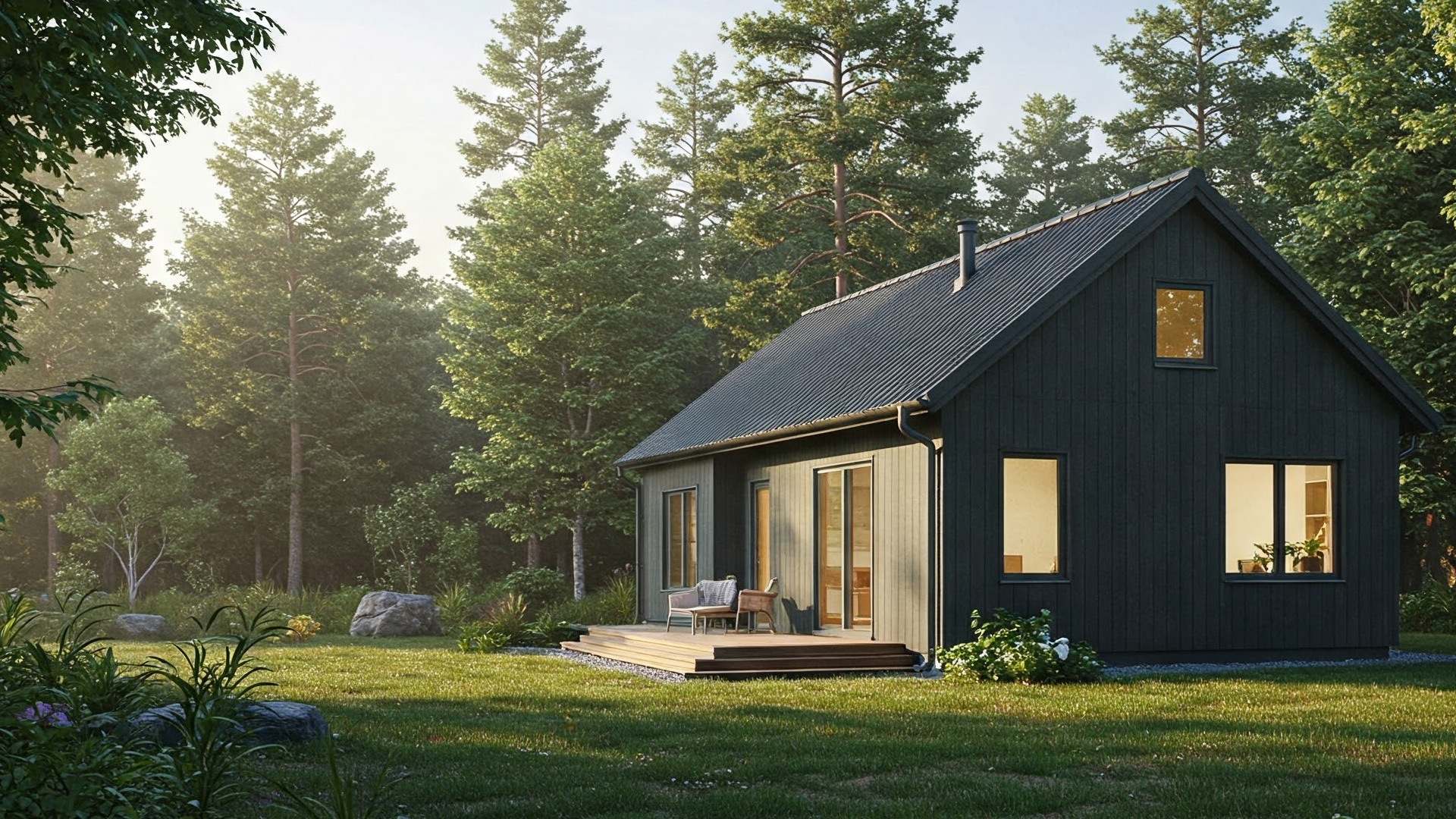
Learn how to select budget-friendly green materials to build sustainably without overspending, ensuring both environmental benefits and cost savings.
How to Choose Budget-Friendly Green Materials
Building with eco-friendly materials doesn’t have to cost a fortune. By making smart choices, you can save money upfront and reduce long-term expenses like energy bills and maintenance costs. Green materials also help conserve resources and minimize waste. Here's how you can get started:
- What makes a material "green"? Look for renewable, recyclable, non-toxic, or locally sourced options like bamboo, reclaimed wood, or recycled steel.
- What affects costs? Local sourcing cuts transportation expenses, while durable materials reduce maintenance and replacement costs over time.
- How to evaluate materials? Check performance metrics like insulation R-values, durability, and climate suitability. Certifications like FSC or GREENGUARD can confirm eco-credentials.
- Affordable options in the US: Bamboo ($3–8/sq ft), reclaimed wood ($4–12/sq ft), recycled steel ($2–4/sq ft), compressed earth blocks ($0.50–1.50/block), straw bales ($4–6/bale), and rammed earth ($2–6/sq ft) are popular choices.
Pro Tip: Start small with upgrades like insulation or energy-efficient fixtures, then expand as your budget allows. Platforms like [DIY Eco Homes](/) offer guides, local supplier directories, and cost-saving tips to simplify your project.
What Are Low Cost Building Materials? - Civil Engineering Explained
What Are Green Materials and Why Use Them?
Green materials bring environmental benefits while often cutting costs. Knowing what makes a material eco-friendly can help you pick options that are good for both your wallet and the planet.
What Makes a Material 'Green'?
A material is considered "green" if it comes from renewable sources, requires minimal energy to produce, is recyclable, non-toxic, or locally sourced. For example, bamboo grows quickly, making it a renewable resource, and cork oak trees can be harvested for their bark without harming the tree itself. Metals like steel and aluminum are also great examples - steel can be recycled indefinitely without losing quality, and recycling aluminum uses far less energy compared to producing it from raw ore. Non-toxic materials are safer for both people and the environment, while locally sourced materials help cut transportation costs and emissions. Some materials even check multiple boxes: recycled or reclaimed products not only reduce waste but can also be more budget-friendly.
What Affects Material Costs?
Several factors impact the price of green materials. Long transportation distances can drive up costs, so sourcing locally can save money. While some eco-friendly options may have higher upfront costs, their durability and lower maintenance needs can make them a better investment over time. Market demand also plays a role - when more people opt for green products, production scales up, and prices can drop. It’s also important to weigh performance metrics to ensure the material fits your project and climate needs.
How to Check Material Performance
To make sure green materials meet your project’s needs, evaluate their performance. For insulation, look at the R-value, which measures thermal resistance - higher R-values mean better insulation. Compare options to find the best balance between cost and performance for your project. Structural strength is another key consideration. Some green materials can handle heavy loads like traditional ones, while others are better suited for non-structural uses. Climate matters too - materials that work well in dry climates might not hold up in humid conditions. For moisture-prone areas, choose materials with strong water resistance to avoid future issues.
Certifications can also help you verify a material’s eco-credentials. Look for labels like GREENGUARD for low chemical emissions, the Forest Stewardship Council (FSC) for responsibly sourced wood, or Cradle to Cradle for products designed with sustainability in mind. Lastly, ensure your materials meet local building codes to avoid compliance issues down the line.
How to Choose Budget-Friendly Green Materials: Step-by-Step
Choosing eco-friendly materials without overspending is all about balancing your environmental goals with your budget. Here's how to navigate the process step-by-step:
Set Your Project Goals and Budget
Start by defining what your project entails - whether it’s a complete build, a renovation, or a smaller upgrade. Once you have your scope, set a clear budget and break it into categories like framing, insulation, flooring, and roofing. Think about your green priorities: do you want better indoor air quality, improved energy efficiency, materials with recycled content, or to support local suppliers? Don’t forget to account for climate-specific needs, like insulation suited for extreme temperatures. With these goals in place, you’ll be ready to make informed choices.
Compare Materials Using a Simple System
Use a comparison chart to evaluate your options based on cost, environmental impact, and performance. Include details like unit cost, eco-friendly benefits, performance ratings, and total estimated expenses. Pay attention to durability, moisture resistance, thermal efficiency, and maintenance needs. While some materials may have a higher upfront cost, they could save money in the long run by lasting longer and requiring less upkeep.
Find Materials Locally
Buying locally can cut transportation costs and reduce your project’s carbon footprint. Check out salvage yards, reclaimed material dealers, or material exchanges for sustainable options. Online platforms and community boards often list surplus building materials at discounted prices, offering great deals on quality resources.
For more cost-saving tips, _DIY Eco Homes_ provides detailed guides on affordable, sustainable materials and supplier recommendations tailored to your region. Their insights can help you save both time and money while staying eco-conscious during your project.
Low-Cost Green Materials Available in the US
The US market has a variety of eco-friendly materials that balance environmental responsibility with affordability. Below, you'll find some of the most popular options, along with their costs, benefits, and practical considerations.
Common Affordable Green Materials
Bamboo is a highly versatile and renewable material. This fast-growing grass can be harvested every 3–5 years without harming the plant. Bamboo flooring is priced between $3–8 per square foot and offers moisture resistance, making it a great choice for flooring, cabinetry, and certain structural applications.
Reclaimed wood combines sustainability with a rustic, weathered aesthetic. Salvaged from old structures like barns and factories, it helps reduce landfill waste. Prices typically range from $4–12 per square foot, depending on the type and condition. Its unique character makes it perfect for exposed beams, accent walls, or furniture.
Recycled steel is a durable option that often contains up to 90% recycled content. Competitively priced at $2–4 per square foot, it’s a strong alternative to traditional lumber, offering fire and pest resistance with a lifespan of over 100 years. It's particularly suited for structural applications.
Compressed earth blocks (CEBs) are an economical choice for natural temperature regulation. Made from a mix of soil, cement, and water, they cost around $0.50–1.50 per block. These blocks are especially effective in dry climates, helping to reduce heating and cooling costs.
Straw bales are one of the cheapest insulation materials available, made from repurposed agricultural waste. With costs of $4–6 per bale and an R-value between 30 and 50, they’re ideal for wall systems in dry climates. Proper finishing is essential to address moisture and fire concerns.
Rammed earth construction uses locally sourced soil mixed with small amounts of cement, creating highly durable walls. While material costs are low - typically $2–6 per square foot - labor can be intensive. Its natural temperature-regulating properties make it a long-term energy saver, especially in arid climates.
Material Comparison: Pros and Cons
| Material | Cost Range | Eco Benefits | Durability | DIY Difficulty | Potential Issues |
|---|---|---|---|---|---|
| Bamboo | $3–8/sq ft | Rapid renewal, carbon storage | 25+ years | Easy to moderate | Some grades may be moisture-sensitive |
| Reclaimed Wood | $4–12/sq ft | Waste reduction, unique aesthetic | 50+ years | Easy to moderate | Potential nails, inconsistent sizing |
| Recycled Steel | $2–4/sq ft | High recycled content (90%) | 100+ years | Moderate to difficult | May require special tools, thermal bridging |
| Compressed Earth Blocks | $0.50–1.50/block | Local materials, low energy use | 50+ years | Moderate | Unsuitable for wet climates |
| Straw Bales | $4–6/bale | Repurposed agricultural waste | 100+ years | Easy to moderate | Fire and moisture risks without proper finish |
| Rammed Earth | $2–6/sq ft | Minimal processing, energy savings | 100+ years | Difficult | Labor-intensive, best for dry climates |
Choosing the Right Material for Your Project
Each material has its strengths, depending on the application. For interior projects like flooring and cabinetry, bamboo is a reliable option. Reclaimed wood works beautifully in visible areas such as accent walls or exposed beams, while recycled steel is ideal for structural uses, especially in areas prone to pests or fires.
For regions with low humidity, compressed earth blocks and rammed earth are excellent choices, offering natural temperature regulation. On the other hand, straw bales require proper moisture barriers and fire-resistant finishes to perform well.
When selecting materials, consider your local climate, building codes, and your own skill level. Some options, like rammed earth or recycled steel, may require specialized tools or additional labor. For more detailed guidance, check out [DIY Eco Homes](/), where you'll find installation guides and regional supplier directories to simplify your project planning.
Budget Planning and Getting the Most Value
Plan Your Budget
Creating a realistic budget for green materials starts with factoring in all potential costs. Don’t forget to include a contingency fund for unexpected issues like shipping delays, material defects, or code upgrades. This extra cushion ensures you can address surprises without sacrificing quality.
Break your budget into main categories: materials, tools, and labor. While sustainable building materials may sometimes have a higher upfront price compared to traditional options, they often lead to long-term savings through better energy efficiency and durability.
To stay on top of expenses, use tools like integrated construction management and accounting software (e.g., QuickBooks). These can simplify tracking and help you monitor spending in real time.
Another smart move: apply _Life-Cycle Cost Analysis (LCCA)_ to compare the full costs of materials, from purchase and operation to eventual disposal. This ensures your initial investment delivers both performance and longevity.
Once your budget is in place, take advantage of specialized resources to stretch your dollars further.
Use [DIY Eco Homes](/) Resources
[DIY Eco Homes](/) is a go-to platform for sustainable building projects in the United States. It offers detailed cost breakdowns and step-by-step guides tailored to green construction. One of its standout features is its transparent budgeting approach, which highlights the true cost of eco-friendly materials, including hidden expenses like specialized tools or extra labor.
The platform also includes local supplier directories, helping you find vendors nearby. This reduces transportation costs, minimizes the environmental footprint of long-distance shipping, and supports local businesses.
DIY Eco Homes goes beyond budgeting with video tutorials and community features that share practical installation tips and safety protocols. These resources can lower labor costs by empowering you to handle certain tasks yourself. Additionally, their templates for comparing sustainable and traditional materials make it easy to evaluate upfront costs, lifecycle expenses, and potential energy savings. This gives you a clear picture of the financial and environmental value of each option.
Lastly, the site’s sustainability data tools provide insights into the environmental performance of materials over their lifecycles. This data-driven approach helps you choose materials that strike the right balance between eco-friendliness and cost-effectiveness, ensuring you get the best results for your project.
Building Green on a Budget: Final Thoughts
Strategic planning and precise budgeting are the backbone of any successful green building project. Creating a sustainable home means finding the right balance between cost, environmental impact, and performance. With thoughtful planning and thorough research, you can make choices that fit your budget while meeting your sustainability goals.
While eco-friendly materials may seem expensive upfront, they often pay off in the long run through energy savings and durability. Choosing materials sourced locally can also cut transportation costs and ensure they’re suited to your area’s climate.
Taking a phased approach to construction can help you manage costs more effectively. Start with essential upgrades like better insulation or energy-efficient windows, and then add other green features as your budget allows. This step-by-step method lets you prioritize sustainability without overextending your finances.
Reliable support and resources are key to staying on track when building green. DIY Eco Homes offers tools like transparent pricing guides, step-by-step instructions, and a supportive community to help you avoid mistakes and connect with suppliers who understand the needs of sustainable projects. These resources simplify the process, making your journey toward a greener home more achievable.
Even small steps toward sustainability can make a big difference. Whether you’re upgrading an existing home or starting from scratch, every eco-conscious choice moves you closer to a more energy-efficient and environmentally friendly future. The key is to focus on decisions that align with your budget, goals, and values, ensuring your green building project is both practical and impactful.
FAQs
How can I tell if a sustainable material works for my local climate and building codes?
To determine if a sustainable material is a good fit for your local climate and meets building codes in the US, start by referencing national green building standards like [LEED](https://www.usgbc.org/leed) or the [International Green Construction Code](https://www.iccsafe.org/products-and-services/i-codes/igcc/) (IgCC). These standards offer useful guidelines for environmentally friendly and code-compliant construction.
Then, take a closer look at your state and local building codes, as some areas have specific rules for green materials. Make sure to assess the material's physical properties - like insulation, durability, and [moisture resistance](/blog/cost-strength-moisture-resistance-plywood-vs-osb-showdown) - and see if they align with your region's climate. For instance, a material suited for humid environments might not work well in dry or cold areas.
If you're gearing up for a project, it’s a smart move to consult with local experts or tap into regional resources. This way, you can ensure your materials meet both environmental objectives and legal standards.
What challenges might arise when using affordable eco-friendly materials, and how can you address them?
When opting for budget-friendly green materials, you might encounter a few hurdles, like limited availability in your area, occasional supply chain hiccups, or slightly higher upfront costs compared to traditional choices. The good news? With some thoughtful planning and resourcefulness, these challenges can be tackled.
If availability is a problem, try sourcing materials from regional suppliers or look into repurposing salvaged items. For cost-related concerns, start with a detailed budget and investigate financial perks like tax credits or rebates tied to sustainable building practices. Staying informed and adaptable can help you strike the perfect balance between keeping costs low and making eco-conscious choices.
What are the best green upgrades to start with on a tight budget?
When working with a tight budget, focus on eco-friendly upgrades that offer the biggest bang for your buck in terms of energy savings and reducing environmental impact. Start with practical changes like improving insulation, upgrading to energy-efficient windows, or swapping out old appliances for [Energy Star](https://www.energystar.gov/)\-certified ones. These updates can help lower your energy bills while shrinking your carbon footprint.
To make your dollars go further, look into local rebates, tax credits, or grants that support sustainable home improvements. Tackling projects that boost energy efficiency or cut waste doesn’t just align with greener living - it also delivers long-term savings, making it a smart move for any homeowner.