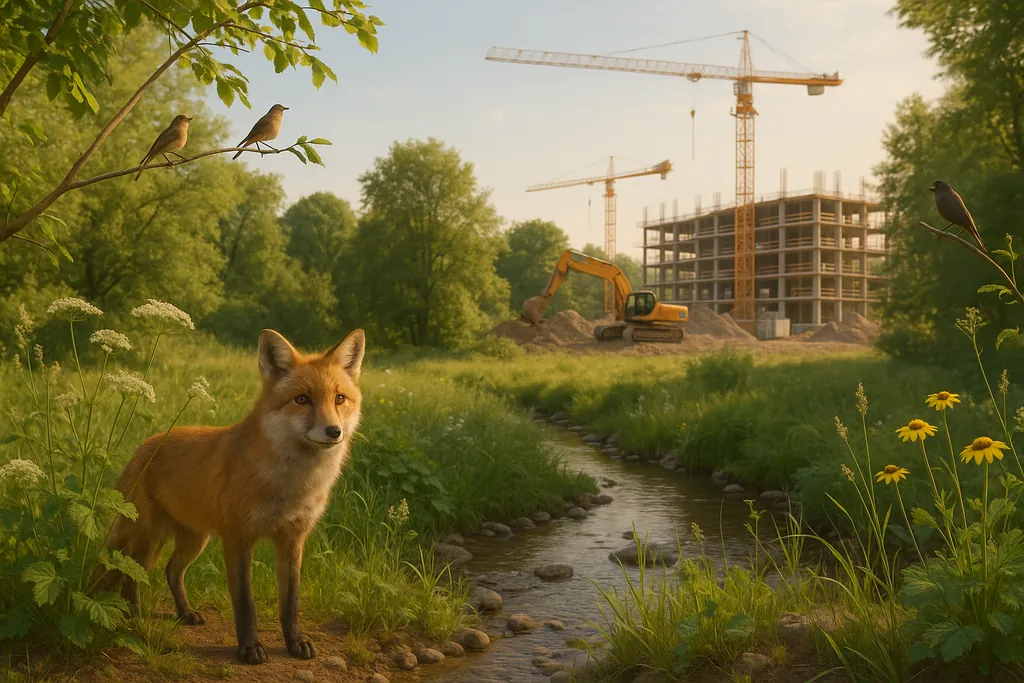
Learn how to assess wildlife impact before building to protect local ecosystems, comply with laws, and minimize construction disruption.
How to Assess Wildlife Impact Before Building
- Why it matters:
- Protect local species and habitats.
- Avoid legal issues by following wildlife laws.
- Key steps:
- Map habitats using local data and surveys.
- Identify protected species with tools like IPaC.
- Follow laws like the Endangered Species Act and Clean Water Act.
- Survey tips:
- Conduct seasonal surveys to capture wildlife activity year-round.
- Use tools like camera traps and GPS for accurate data.
- Minimize impact:
- Adjust plans to avoid critical habitats and breeding seasons.
- Restore habitats post-construction with native plants and artificial shelters.
- Stay compliant:
- Document everything - species, habitats, and conservation actions.
- Monitor progress after construction to ensure wildlife recovery.
Takeaway: A thorough wildlife impact assessment saves time, money, and nature. Start early, follow the rules, and plan responsibly.
What is the Wildlife Assessment Check?
Local Wildlife Laws and Ecosystems
Before starting any construction project, it's crucial to understand the local wildlife and the regulations that protect them. This means identifying habitats, recognizing protected species, and adhering to environmental laws to avoid legal and ecological issues.
Finding and Mapping Habitats
Start by obtaining habitat maps from local wildlife agencies and enhance them with up-to-date satellite imagery. Focus on identifying:
- Wetlands: Including seasonal pools and marshes.
- Forests: Highlighting areas with older trees and dense vegetation.
- Grasslands: Documenting native plant communities.
- Water bodies: Such as rivers, streams, and ponds.
Combine these remote mapping efforts with on-the-ground surveys. Use tools like camera traps to monitor wildlife activity, particularly in breeding and migration zones. These areas often need extra attention and protection.
Checking for Protected Species
The U.S. Fish and Wildlife Service offers a tool called IPaC (Information for Planning and Consultation) to help identify protected species in your project area. Here's how to use it:
- Sign up at https://ipac.ecosphere.fws.gov/.
- Outline your project boundary on the interactive map.
- Generate a detailed species report.
- Review the "Species Conclusions Table" for critical insights.
The IPaC report will highlight federally protected species, migratory birds, and critical habitats that could be impacted by your project. Don't forget to check with your state wildlife agency as well, since state-listed species may have additional protections.
Key Environmental Laws
Several federal laws are in place to protect wildlife during construction. Here's a quick overview:
| Law | Key Requirements | Potential Penalties |
|---|---|---|
| Endangered Species Act | Prohibits harming protected species; requires consultation with USFWS | Substantial fines and possible criminal charges |
| Clean Water Act | Regulates activities affecting wetlands and waterways | Civil and criminal penalties |
| Migratory Bird Treaty Act | Protects native birds and their nests | Fines and potential imprisonment |
| Bald and Golden Eagle Protection Act | Limits activities near eagle nesting sites | Heavy fines |
> "The assessment report should clearly document which seasons were surveyed and acknowledge any seasonal gaps in data collection. If construction must proceed with incomplete seasonal data, adopt a precautionary approach by assuming seasonal wildlife use may occur during unsurveyed periods."
For more tips on eco-friendly construction practices that reduce wildlife impact, check out [DIY Eco Homes](/). Their resources can help you incorporate environmental considerations into your project from the planning phase. Use these tools and insights to ensure your wildlife surveys and impact assessments are thorough and effective.
Wildlife Survey Steps
Conducting wildlife surveys involves detailed documentation to understand and preserve local ecosystems effectively.
Survey Timing and Methods
Timing is everything when it comes to wildlife surveys. By spreading surveys across the year, you can uncover how wildlife activity shifts with the seasons. Here's a breakdown of when and what to focus on:
| Season | Focus Areas | Optimal Survey Times |
|---|---|---|
| Spring | Breeding birds, amphibians | Dawn (5–9 AM) |
| Summer | Plants, insects, reptiles | Morning or evening |
| Fall | Migratory species | Throughout the day |
| Winter | Hibernation sites, tracks | Early morning |
To cover all bases, combine a variety of methods:
- Motion-triggered cameras: Ideal for monitoring wildlife corridors.
- Audio recording devices: Perfect for capturing nocturnal species.
- Visual observations: Include track and scat identification.
- Soil core sampling: Useful for detecting burrowing species.
Recording Plants and Animals
Accurate and consistent documentation is key. Use standardized methods to ensure reliable records:
- Species Documentation
Keep detailed records that include:
- Scientific and common names of species
- GPS coordinates of sightings
- Population estimates
- Observed behaviors
- Habitat conditions
- Photos with time stamps for verification
- Habitat Mapping
Use the survey data to update GIS-based habitat maps, ensuring the most current information is reflected.
Understanding Survey Results
Once the data is collected, it's time to evaluate it for any potential conflicts with construction plans. Here's what to consider:
- High-Risk Areas: Identify locations with high wildlife activity or rare species.
- Seasonal Concerns: Pinpoint times when construction could disrupt wildlife.
- Critical Habitats: Highlight areas that need protection or mitigation strategies.
A risk assessment matrix can help prioritize conservation efforts:
| Impact Level | Wildlife Value | Required Action |
|---|---|---|
| High | Protected species present | Redesign construction plans |
| Medium | Common species habitat | Implement buffer zones |
| Low | Limited wildlife use | Follow standard precautions |
If the survey uncovers significant findings, it may be necessary to adjust construction plans to reduce habitat disruption and protect wildlife.
Ways to Reduce Wildlife Impact
After construction, it's crucial to restore natural habitats to provide food, shelter, and pathways for wildlife that may have been displaced. Here are two effective ways to help nature bounce back:
- Planting Local Species: Use native plants like ground covers, shrubs, and trees to rebuild the ecosystem. Native plants are well-suited to the environment and can quickly support local wildlife.
- Creating Artificial Habitats: Add features like bat and bird nesting boxes or build brush and rock piles using natural materials. These provide safe spaces for animals to find refuge.
Record Keeping and Checking Progress
Keeping detailed records and monitoring regularly are essential for ensuring compliance and tracking the success of conservation efforts during and after construction. This documentation not only supports the creation of your wildlife impact report but also helps evaluate outcomes once construction is complete.
Writing the Impact Report
A well-prepared wildlife impact report should capture all the protection measures and activities undertaken. Here's what to include:
- Habitat Maps: Use visuals to highlight wildlife habitats and sensitive areas impacted by the project.
- Species Inventory: Provide a list of wildlife observed, along with any available population estimates.
- Photo Documentation: Include time-stamped photographs to show habitat conditions before, during, and after construction.
- Protection Measures: Detail the conservation strategies used, including where and how they were implemented.
- Timeline Records: Note any adjustments to the construction schedule, especially those made to accommodate critical periods like breeding or migration.
Establish a monitoring routine based on the sensitivity of the species involved - daily for those at higher risk, and weekly or monthly for broader assessments.
Checking Results After Building
Post-construction monitoring is critical to confirm the effectiveness of your conservation strategies. Here are some methods to consider:
- Population Surveys
Use tools like camera traps, acoustic monitoring, track surveys, and visual observations during peak activity times to count wildlife and assess population health.
- Habitat Assessment
Evaluate how natural areas are recovering by:
- Measuring vegetation growth in restored zones.
- Monitoring the use of artificial habitats, such as nest boxes or wildlife corridors.
- Checking water quality in nearby streams or wetlands.
- Assessing soil conditions in areas where replanting has occurred.
- Adaptive Management
Use the data collected to refine your strategies. For instance:
- Compare current wildlife populations with pre-construction baseline data.
- Measure the success of habitat restoration efforts.
- Adjust conservation measures if initial strategies aren't meeting expectations.
- Note any changes in wildlife behavior or habitat usage.
Conclusion
Wrapping up the discussion on survey methods and steps to minimize impact, it's clear that a thorough assessment of wildlife impact is not just about meeting regulations - it's about showing genuine care for the environment through thoughtful and systematic planning.
Start by reviewing local laws, consulting habitat maps, and conducting seasonal surveys to determine the presence of protected species. Timing is everything - surveying during the right seasons ensures you gather accurate data about species and their habitats, which should then guide your planning process.
Take proactive steps to protect wildlife. Identify areas where construction can proceed with minimal disruption, and incorporate designs that are considerate of local ecosystems. Small changes, like keeping buffer zones around sensitive habitats or scheduling work to avoid breeding seasons, can have a meaningful impact.
Keep your plans flexible and your reports up-to-date. By documenting conservation efforts and outcomes, you create a foundation for ongoing improvements and effective habitat management.
Following these principles strikes a balance - advancing your project while respecting and preserving the natural environment around it.