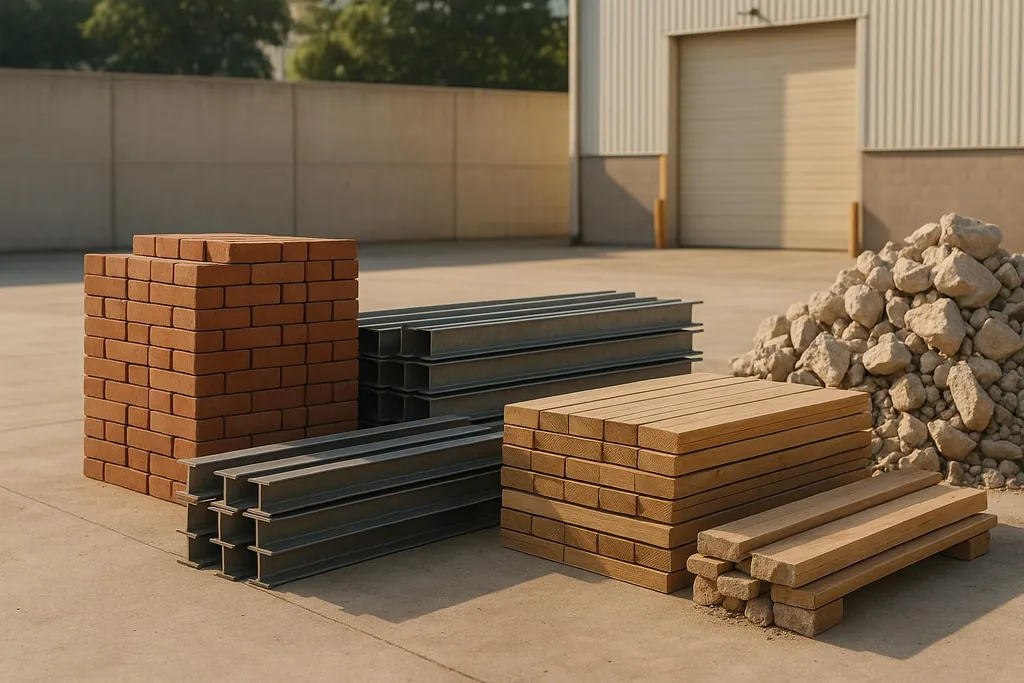
Learn how to effectively recycle construction materials to save costs, reduce waste, and promote sustainable practices in your projects.
Checklist for Recycling Construction Materials
Recycling construction materials saves money, reduces waste, and protects resources. Whether you're a contractor or a DIYer, understanding what can and can't be recycled is key to efficient waste management. Here's a quick breakdown:
Materials You Can Recycle:
- Wood: Clean, untreated lumber can become mulch, fuel, or new materials.
- Concrete & Masonry: Crushed for new concrete or road base.
- Metals: Copper, steel, aluminum, and more can be endlessly recycled.
- Drywall: Reused for new drywall or soil amendments.
- Glass: Repurposed into new products or aggregate for concrete.
- Certain Plastics: PVC pipes, polyethylene sheeting, and foam insulation (if clean and sorted).
Materials You Can't Recycle:
- Pressure-Treated Wood: Chemicals make it unsuitable.
- Asbestos: Requires special disposal due to health risks.
- Lead-Based Paint: Non-recyclable and hazardous.
- Contaminated Materials: Exposure to toxic substances ruins recyclability.
- Mixed/Composite Materials: Hard to separate, often non-recyclable.
Steps for Success:
- Set Up Collection Areas: Separate bins for wood, metal, concrete, etc.
- Sort Immediately: Keep materials clean and organized.
- Avoid Contamination: Train workers and use clear instructions.
- Find Local Recycling Centers: Use tools like Earth911 or Habitat for Humanity ReStores.
- Track Progress: Keep records of materials, weights, and costs.
New Technologies:
AI sorting systems, mobile recycling units, and digital tracking tools are making recycling faster and more efficient. These advancements reduce costs, improve accuracy, and cut emissions.
By planning ahead, sorting properly, and collaborating with local facilities, you can recycle up to 75% of construction waste by weight. Start small, track your results, and refine your process over time to make a lasting impact.
5 Construction Waste Recycling Methods Which Save Building Costs
What Construction Materials Can Be Recycled
Understanding which construction materials can be recycled helps reduce waste and conserve resources. The recyclability of these materials often depends on their condition, how clean they are, and the capabilities of local recycling facilities.
Materials You Can Recycle
Clean lumber and wood products can be recycled if they’re free of nails, screws, or other metal fasteners. Untreated wood, plywood, and engineered wood can be turned into mulch, biomass fuel, or even repurposed into new materials.
Concrete and masonry materials like broken concrete, bricks, and stones are highly recyclable. They can be crushed into aggregate for new concrete mixes or used as road base material. Clean concrete without rebar is preferred, but reinforced concrete can also be processed after removing the steel.
Metals of all kinds are highly sought after for recycling. Copper wiring, steel frames, aluminum siding, and even small hardware like screws and brackets can be recycled indefinitely without losing their quality. Sorting metals by type before recycling increases their value.
Drywall and gypsum products can often be recycled into new drywall or used in agriculture as a soil amendment. Both the paper backing and the gypsum core are valuable when processed properly.
Architectural glass from windows, doors, and facades can be repurposed into new glass products or used as an aggregate in concrete and asphalt. However, it’s important to separate glass by type, as different compositions require different recycling methods.
Certain plastic materials used in construction, such as PVC pipes, polyethylene sheeting, and rigid foam insulation, can also be recycled. These plastics must be clean and sorted by type because mixing different plastics can ruin the recycling process.
To ensure successful recycling, all materials should be free of coatings, binders, or contaminants that might interfere with processing.
Materials That Cannot Be Recycled
Some materials, however, present challenges and cannot be recycled due to environmental or technical limitations.
Pressure-treated lumber contains chemical preservatives that make it unsuitable for recycling. These chemicals can leach into the environment, so treated wood requires special disposal methods.
Asbestos-containing materials are a major health hazard and must be handled by certified professionals. These materials, often found in buildings constructed before 1980, cannot be recycled and must be disposed of at designated hazardous waste facilities.
Lead-based paint and materials contaminated with lead also require special handling. Paint chips, dust, or any materials coated with lead-based paint cannot be recycled and must be handled carefully to avoid health risks.
Contaminated materials of any kind become non-recyclable once exposed to hazardous substances like petroleum products or toxic chemicals. These contaminants are difficult to remove and make recycling impossible.
Mixed or composite materials like vinyl-clad windows or laminated products are also problematic. Separating their components is often too costly, making them unsuitable for recycling.
Local Rules and Building Codes
Recycling construction materials also requires compliance with local rules and building codes, which can vary widely depending on your location.
Recycling regulations differ across states, counties, and municipalities. Some areas require recycling plans for large-scale projects, while others mandate specific waste diversion goals, such as diverting 50% to 75% of construction waste from landfills.
Accepted materials lists vary by facility and region. What’s recyclable in one area might not be in another due to differences in processing capabilities or market demand. Checking with local recycling facilities beforehand can prevent costly mistakes.
Transportation and handling rules may also apply, especially for heavy materials like concrete. Some areas have restrictions on vehicle operation hours or require permits for transporting oversized loads.
For accurate guidance, reach out to your local building department, environmental agency, or waste management authority. Many provide detailed resources, including approved facility lists and recycling guides, to help you navigate the process and ensure compliance with all regulations. Proper planning and adherence to these guidelines can make recycling efforts more efficient and cost-effective.
How to Collect and Sort Materials
Effective recycling starts with proper collection and sorting. This process not only helps reduce waste but can also cut down on project costs. A solid waste management plan is key. By keeping recyclable materials clean and organized, you ensure a safer, more efficient worksite while maximizing the value of recyclables.
Setting Up Collection Areas
Creating designated spaces for different types of waste is a simple yet crucial step. Here's how to set up collection areas effectively:
- Designate zones for specific materials like wood, metal, concrete, and drywall. Provide separate containers for each category.
- Label zones clearly for recyclables, reusable materials, landfill waste, and hazardous items to avoid confusion.
- Plan container numbers and sizes based on the project’s scope and available space. Factor in pickup schedules to avoid overflow.
- Position recycling bins next to trash containers to make sorting convenient and reduce contamination risks.
- Protect collection areas by covering bins overnight or during bad weather. This keeps materials clean, dry, and free from illegal dumping.
Material Sorting Methods
Proper sorting starts early and makes a big difference in preserving material value. Follow these tips:
- Sort materials immediately - separate wood, concrete, metals, drywall, plastic, cardboard, glass, and roofing materials from the start.
- Keep materials clean by removing contaminants like nails from lumber. For example, clean concrete is more valuable than debris-filled concrete.
- Adapt sorting to local requirements. Some recycling facilities may ask for glass sorted by color or metals separated by type. Check with local recyclers to align with their guidelines.
Avoiding Contamination
Keeping materials uncontaminated is essential to maintaining their recycling value. Here's how to prevent contamination:
- Train all workers - including subcontractors and temporary staff - on sorting procedures. Use written guidelines and visual aids to ensure everyone knows what goes where and why it matters.
- Post clear instructions and examples near collection areas. Visual aids can help overcome language barriers and reinforce proper sorting practices.
Moving and Processing Recycled Materials
Once you've sorted your materials, the next step is ensuring they are moved and processed efficiently. This helps maintain their value and maximizes the benefits of recycling. Here's how you can streamline the process.
Finding Local Recycling Centers
Finding the right recycling facility is easier than ever with tools tailored to help you locate options nearby. Here are a few resources to consider:
- Earth911.com: This platform boasts one of the largest recycling databases in North America, covering over 350 materials and more than 100,000 listings. Enter your zip code and the material type - like "Concrete", "Asphalt", "Lumber", or "Windows" - to find local recycling options. Need extra help? Call their hotline at 1-800-CLEANUP for guidance .
- WM (Waste Management): As North America's largest residential recycler, WM offers an online tool to locate nearby facilities, including landfills, transfer stations, and recycling centers. Their services are especially useful for projects with large waste volumes .
- Habitat for Humanity ReStore: If your materials are reusable, consider donating them. Habitat for Humanity ReStores accept items like cabinets, doors, windows, and unused lumber. Their website features a zip code search tool, and many locations even offer pickup services for large donations .
Additionally, check your local municipal or county government websites. These often have directories for recycling and disposal facilities, including smaller, specialized centers that might not appear in national databases. Be sure to verify what materials they accept, any associated fees, and preparation requirements before heading out.
Once you've identified the right facilities, it's time to plan how to transport your materials.
Transportation Options
The method you choose to transport materials depends on your project's scale and the type of waste involved. Keep in mind that distance to recycling centers can significantly affect your budget.
- Self-hauling: Ideal for small-scale projects or when recycling centers are close by. Use a pickup truck or trailer to transport items like drywall, lumber, or metal scraps. Make sure your vehicle can handle the load safely, and secure everything properly to avoid spillage during the trip.
- Roll-off containers: For larger projects, renting roll-off containers from waste management providers is a smart option. These come in various sizes to suit different volumes of waste, and some providers offer specialized containers for materials like concrete or mixed debris. Coordinate pickups with your project timeline to avoid overflows or delays.
To cut costs, align waste deliveries with other project activities. For example, combine smaller loads into fewer trips or schedule waste drop-offs alongside material pickups. Use separate containers for different materials - such as clean concrete versus mixed debris - and cover items that could be damaged by weather.
Once your materials are delivered, proper record-keeping is the next crucial step.
Keeping Records of Recycling
Documenting your recycling efforts is not just about staying organized - it’s essential for compliance and tracking your environmental impact. Here’s how to do it effectively:
- Save receipts and weight tickets: These documents serve as proof of proper disposal and may be required for permits or environmental certifications.
- Maintain detailed logs: Record what materials were sent, where they went, and when. Include facility names, material types, quantities, and any fees paid. This information helps you evaluate which facilities provide the best service and value for future projects.
- Take photos: Before delivering valuable materials like clean lumber or metal, photograph them. This can help resolve disputes over quality or contamination.
When choosing recycling facilities, always ask about their compliance with local and state regulations. Verify their licensing or registration and check for third-party certifications to ensure proper handling of your materials.
Lastly, keep digital backups of all your records. Spreadsheets or mobile apps can simplify tracking and reporting, making it easier to analyze your recycling performance over time.
New Technologies for Construction Material Recycling
The construction industry is undergoing a technological shift, transforming how recycling is managed. These innovations are boosting efficiency, cutting costs, and reducing environmental impact.
New Recycling Equipment and Methods
AI-powered sorting systems are revolutionizing material recovery facilities by using optical sensors, computer vision, and machine learning. These systems can quickly identify and separate materials, reducing contamination and labor costs. They also predict waste generation patterns, helping optimize collection schedules .
Mobile recycling units are another game-changer. These portable systems bring processing directly to construction sites, handling tasks like crushing concrete, shredding wood, or compacting metals. This eliminates the need for transporting materials to distant facilities, cutting costs and lowering carbon emissions .
Digital tracking platforms, paired with IoT-enabled smart bins, provide real-time monitoring. These tools generate reports that help project managers track progress against waste diversion goals, pinpoint areas for improvement, and ensure compliance with environmental regulations .
Blockchain technology adds another layer of transparency by securely documenting the full lifecycle of recycled materials. This ensures traceability for sustainability certifications and regulatory compliance. Smart waste bins further enhance on-site waste management, making it easier to monitor and manage materials efficiently .
Decentralized processing systems, which sort and prepare materials directly on-site, are especially beneficial for remote projects. By eliminating the need for long-distance transportation, these systems reduce emissions and support a circular economy .
Take Singapore, for instance. The Building and Construction Authority collaborated with contractors and tech providers to achieve a 99% recycling rate for construction waste. This was made possible by deploying mobile recycling units on-site to crush concrete, separate metals, and process wood waste. AI-powered sorting systems equipped with sensors and cameras further ensured high-accuracy material identification .
Old Methods vs New Technologies
| Feature | Old Methods | New Technologies |
|---|---|---|
| Efficiency | Slower processing, prone to human error, lower sorting accuracy | Faster processing, higher accuracy, reduced contamination, optimized logistics |
| Cost | High labor costs, expensive transportation to off-site facilities | Lower labor costs, reduced transportation costs, potential revenue from recycled materials |
| Environmental Impact | High carbon emissions, greater landfill reliance, more virgin material extraction | Reduced emissions, significant landfill diversion, resource conservation, and circular economy support |
| Data & Transparency | Limited tracking, difficult compliance verification | Real-time monitoring, detailed reporting, transparent tracking (via blockchain), support for green certifications |
| Flexibility | Fixed locations, less adaptable to unique project needs | On-site processing, modular systems, dynamic scheduling |
These advancements deliver tangible benefits. Construction and demolition waste makes up roughly 30% of global waste. Using these technologies can reduce disposal costs by up to 50% compared to landfill fees, while effective recycling strategies can divert up to 90% of waste from landfills .
Smart collection and transportation platforms, powered by GPS and AI, further enhance efficiency. They adjust schedules in real time, reroute trucks to avoid traffic, and provide actionable data for continuous improvement. These systems not only lower costs and emissions but also help fine-tune recycling operations .
The energy savings are equally impressive. For example, recycling steel can save up to 60% of the energy needed to produce it from raw materials. This makes investing in these technologies particularly appealing for projects with substantial metal waste .
Improving Your Recycling Program Over Time
Once you've got your collection and processing systems running smoothly, the next step is to keep improving. Even the best setups can lose their edge without regular oversight. The trick is to assign clear roles, monitor how things are going, and make smart, data-backed tweaks along the way.
Assigning a Recycling Program Manager
Having someone dedicated to managing your recycling efforts can make all the difference. This person ensures that recycling practices align with sustainable building goals and keeps everything on track.
The manager’s job includes working with local recycling facilities, maintaining relationships with haulers, and staying informed about changing regulations. They also play a key role in educating workers, subcontractors, and volunteers about sorting materials correctly and avoiding contamination.
On larger construction sites, this role might be filled by a sustainability coordinator or an environmental compliance officer. For smaller projects, the homeowner or project leader often takes the reins. Regardless of who steps into this role, they need to dedicate enough time to actively monitor the recycling program. The time commitment will naturally depend on the size and complexity of the project.
Training is crucial for success in this position. The manager should understand local recycling rules, know how to identify and handle materials properly, and be able to calculate diversion rates and track cost savings. Many cities and states offer training programs or certifications for waste management and sustainability professionals, which can be a great resource.
To keep everyone on the same page, create clear reference materials like visual guides showing proper sorting techniques, examples of contamination, and contact info for recycling facilities. Short, regular meetings - like toolbox talks - are also a great way to reinforce good recycling habits.
Regular Waste Reviews
Taking a close look at your waste on a regular basis can uncover areas for improvement and help you measure how well the program is working. These reviews should happen at different intervals throughout the project.
- Weekly audits are especially useful for active construction sites. Walk through collection areas, check what materials are being generated, see how well they’re sorted, and look for contamination. Taking photos during these audits can highlight what’s working and what needs fixing.
- Monthly reviews allow for a deeper dive into waste patterns. Look at which materials are showing up most often and whether your containers are the right size and in the right spots. For example, if one bin is always overflowing while another stays empty, it’s time to rethink your setup.
- Seasonal reviews can help you spot trends tied to weather, different project phases, or material availability. Keep track of your findings in a simple spreadsheet or notebook, noting material quantities, contamination issues, and any operational hiccups. This data can also show which subcontractors or phases are producing the most recyclables - or the most waste.
If you notice recyclables and non-recyclables getting mixed together too often, it might be time for more training or a better collection system.
Recording and Reporting Results
Good reviews lead to good records, and solid documentation turns your recycling program into measurable results. These records help you track progress, prove compliance, and make better decisions moving forward.
Start by figuring out your baseline diversion rate - this is the percentage of waste you’re keeping out of landfills. Compare the weight of recycled materials to the total waste generated, and use that as a starting point to set improvement goals.
Track both weight and volume to measure performance. Weight is usually more reliable for reporting, but volume can help with planning and logistics. Keep tabs on disposal fees, transportation costs, and any income from recyclables to get a clear picture of your program’s financial impact.
Monthly summaries should include details like material types, diversion rates, and cost savings. These reports can help you spot trends and guide future decisions.
If your project aims for LEED certification or another green building standard, detailed records are a must. This includes weight tickets, facility certifications, and photos to show how much construction waste you’ve kept out of landfills.
Sharing your results with the team and stakeholders can keep everyone motivated. Celebrate wins and discuss challenges openly to create a culture of constant improvement. Some contractors even post monthly recycling stats in common areas or include them in project newsletters to keep recycling efforts top of mind.
You can also share key outcomes with local environmental groups or industry associations. Many municipalities recognize projects that hit high diversion rates, so your efforts might even earn some public acknowledgment.
Keeping detailed records doesn’t just hold everyone accountable - it helps you spot new ways to improve, ensuring your recycling program keeps getting better over time.
Conclusion: Building with Less Waste
Recycling construction materials isn't just about being eco-friendly - it’s about building smarter and saving money. By adopting the right strategies, it’s possible to divert 50 to 75% of materials by weight from landfills, transforming potential waste into resources for future projects .
Success begins with careful planning. Whether you’re designing structures for easy disassembly, setting clear waste diversion goals from the outset, or collaborating with local recycling facilities before breaking ground, early preparation is key. A well-thought-out plan ensures your recycling efforts are both efficient and effective.
Sorting materials effectively can significantly improve your diversion rates. On-site sorting gives you more control, while off-site sorting can save space but may come with higher processing costs. Whichever method you choose, keeping materials clean and properly separated is essential to maximize their value and recyclability .
Collaboration also plays a big role. Partnering with organizations like Habitat for Humanity, local reclamation stores, or specialized waste haulers can help repurpose leftover materials, reduce disposal costs, and support community initiatives. These partnerships can be just as impactful as the recycling facilities themselves .
The numbers highlight the potential: wood makes up 15.5%, and roofing shingles account for 19.3% of construction and demolition (C&D) waste. These materials alone present significant opportunities for recycling . Every project that embraces proper recycling practices contributes to a more sustainable construction industry.
If you’re just starting, focus on one or two materials first. Set up a collection system, track your progress, and celebrate small victories. Use the data to refine your approach. Beyond the environmental benefits, recycling construction materials offers cost savings and helps meet regulatory requirements - making it not just an ethical choice but a smart business move.
For more tips and resources on sustainable and energy-efficient home building, check out [DIY Eco Homes](/).
FAQs
How can I make sure my construction waste recycling meets local rules and codes?
To make sure your construction waste recycling aligns with local regulations and building codes in the US, the first step is to develop a waste management plan. In many regions, there’s a mandate to divert 50–65% of nonhazardous waste from landfills. This means recycling and reusing materials should be a top priority.
Since rules can vary by city or county, it’s important to check the specific requirements in your area. Some places have unique guidelines about the types of materials that need to be recycled or the minimum recycling percentages. Stay up to date by regularly reviewing local building codes and environmental standards. Taking these steps not only ensures compliance but also promotes more sustainable construction practices.
How can construction workers be trained to properly sort materials and prevent contamination on-site?
Training workers to correctly sort materials and avoid contamination is essential for successful recycling on construction sites. One effective approach is to establish clearly labeled waste stations. Including visual guides at these stations can make it easier for workers to quickly distinguish between recyclable and non-recyclable materials, streamlining the sorting process.
To keep everyone on the same page, consider implementing short, regular training sessions. These could be quick 15-minute refreshers held daily or weekly to reinforce proper practices. Pair this with routine site inspections and ongoing educational efforts to ensure workers remain informed and consistently follow waste management guidelines. These measures not only enhance recycling outcomes but also help minimize waste and contamination across the site.
How do technologies like AI sorting systems and mobile recycling units make recycling construction materials more efficient?
AI-powered sorting systems are changing the game in construction waste management. By leveraging tools like computer vision and machine learning, these systems can sort materials with incredible speed and precision. The result? Lower contamination levels and improved recycling rates. Plus, it saves a ton of time and ensures materials are handled more efficiently.
Then there are mobile recycling units - essentially mini recycling plants right at the construction site. These units process waste on-site, slashing transportation costs and cutting emissions. They simplify waste management at the source, making it more practical and budget-friendly while also reducing the environmental impact.
Together, these advancements are reshaping how construction waste is recycled, making the whole process quicker, more effective, and better for the planet.