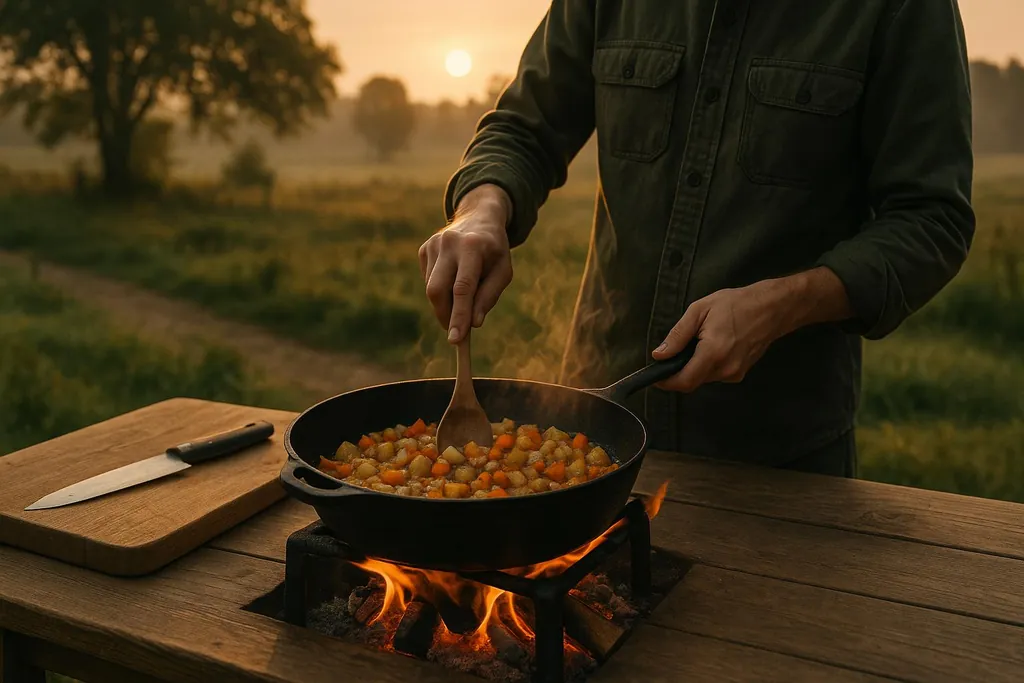
Learn essential off-grid cooking methods for emergencies, ensuring meal preparation and food safety without electricity or gas.
Ultimate Guide to Emergency Off-Grid Cooking
When the power goes out or disaster hits, being able to cook without electricity or gas is essential. Off-grid cooking methods ensure you can still prepare meals, keep food from spoiling, and maintain some comfort during emergencies. Here’s a quick breakdown of what you need to know:
- Why It Matters: Power outages can last days or weeks, making regular appliances useless. Off-grid cooking helps prevent food spoilage and provides warmth during cold weather.
- Key Principles: Focus on fuel availability, safety, and simple, durable equipment. Options like wood, solar energy, or minimal-fuel stoves work best.
- Popular Methods: Use tools like solar ovens, rocket stoves, or earth ovens to cook without relying on electricity or gas.
- Safety Tips: Avoid carbon monoxide buildup, handle fuel carefully, and follow food safety practices to avoid illness.
- Tools You’ll Need: Fire-starting tools (like ferro rods or waterproof matches), sturdy cookware, and multipurpose items like aluminum foil or metal cans.
- Backup Plans: Get creative with available resources - repurpose household items for cooking or build makeshift stoves from materials like coffee cans.
Off-grid cooking isn’t just for emergencies - it’s a skill that can save you money, reduce your reliance on utilities, and even become part of your everyday life. Start practicing now to be prepared for any situation.
Top 7 Off Grid Cooking Options - Emergency Preparedness
Popular Methods for Emergency Off-Grid Cooking
One tried-and-true method is the earth oven, or ground oven. This involves digging a pit, building a fire inside, and using the heat retained by the earth to slowly cook food. It’s a straightforward technique that relies on nothing more than natural resources, making it a reliable choice during emergencies when modern conveniences aren’t available.
Beyond earth ovens, you might also consider other options like solar ovens or rocket stoves, which can broaden your off-grid cooking toolkit. These methods provide additional ways to prepare meals without relying on electricity or gas, ensuring you’re prepared for a variety of situations.
Required Tools and Supplies for Off-Grid Cooking
Fire-Starting Tools
Having reliable fire-starting tools is crucial when cooking off the grid. Waterproof matches are a straightforward option and work well when stored in sealed containers. However, since they’re consumable, it’s best to save them for situations where other methods might not work.
Ferro rods are a fantastic alternative. They work even if they’re wet and can produce sparks capable of igniting properly prepared tinder. Unlike matches, they’re reusable, making them a practical choice for long-term use. For those who enjoy a bit of tradition, flint and steel offer a timeless method. While it takes practice to master, this technique doesn’t rely on disposable resources, making it a sustainable option with proper care.
On sunny days, magnifying glasses can come in handy. They harness solar energy to ignite tinder, providing a quiet and resource-efficient way to start a fire without consuming any materials.
Safety Rules for Off-Grid Cooking
When emergencies strike and you're relying on alternative cooking methods, staying safe isn't just important - it's non-negotiable.
Fire Safety and Control
Always set up your cooking fire in an open area, well away from anything flammable and downwind of your shelter. Clear away dry vegetation, leaves, or debris from the surrounding area to reduce fire risks. If it's particularly windy, avoid open flames altogether and consider using a shielded rocket stove instead.
Have a bucket of water or sand within arm's reach to quickly put out accidental flames. For propane stoves, keep an approved fire extinguisher nearby, as water won't cut it for gas fires. Once you're done cooking, make sure the fire is completely out - stir the ashes, check for any lingering heat, and repeat as needed until it's cold.
To keep flames contained, create a firebreak by surrounding your fire pit with nonflammable materials like rocks or dirt. And if there are local fire warnings, such as red flag alerts, skip the fire altogether - it’s not worth the risk.
Carbon Monoxide Prevention
Beyond fire hazards, there's another invisible danger to watch out for: carbon monoxide. Never use propane, butane, or charcoal stoves inside enclosed spaces like tents, cabins, or vehicles unless you have proper ventilation. If you must cook indoors during an emergency, open windows on opposite sides to allow for cross-ventilation.
Keep your cooking area far from sleeping spaces, and follow the stove manufacturer's guidelines for safe use. A battery-powered carbon monoxide detector is a must - test it regularly to make sure it’s working. If anyone starts feeling dizzy, nauseous, or gets a headache while cooking indoors, get them to fresh air immediately and ventilate the space.
Safe Fuel Handling
Store propane tanks upright in shaded areas where the temperature stays below 120°F, and secure them to prevent tipping. For liquid fuels like kerosene or white gas, keep them in their original containers with tightly sealed caps, away from direct sunlight or heat sources. Always check the containers for leaks or damage before use.
Let stoves cool completely before refueling, and only refuel outdoors in a well-ventilated area far from open flames. If you're using wood as fuel, store it off the ground in a dry, ventilated spot, and cover the top to keep moisture out. Dispose of empty or damaged fuel containers according to local regulations - many auto parts stores or hazardous waste facilities can handle small quantities safely.
Food Safety and Cleanliness
Keep raw meats in the coldest part of your cooler, and if the ice starts melting, use them within 24 hours. When temperatures climb above 90°F, consume perishables even faster to avoid spoilage.
Wash your hands thoroughly with soap and water before handling food. If water isn’t available, use a hand sanitizer with at least 60% alcohol. Clean cooking surfaces with a diluted bleach solution (1 tablespoon of bleach per gallon of water) and let them air dry.
Cook meats to safe internal temperatures: 165°F for poultry, 160°F for ground meats, and 145°F for whole cuts of beef or pork. If you don’t have a thermometer, cook until juices run clear and there’s no pink remaining. Always use separate cutting boards and utensils for raw meats and other foods to prevent cross-contamination.
Since off-grid storage is limited, serve cooked food immediately. If you’re using water from an unknown source, treat it by boiling for 1 minute at sea level (or 3 minutes if you're above 6,500 feet). Alternatively, use water purification tablets or portable UV sterilizers to ensure it's safe to drink.
Problem-Solving and Backup Plans
When emergencies strike, having reliable backup plans ensures you can still enjoy a hot meal, even when conditions are less than ideal. Extreme weather or unexpected challenges may require quick thinking and adaptability.
Cooking in Bad Weather
Harsh weather can throw a wrench into outdoor cooking plans. However, off-grid solar home systems paired with eCooking appliances have shown to be dependable during emergencies . For instance, in August 2024, researchers transformed a Simpson\-brand oven into a wood-burning stove to enable indoor cooking during extreme weather conditions .
When faced with unpredictable weather or limited supplies, being resourceful is key to maintaining your off-grid cooking setup.
Making Do with Available Materials
Sticking to a self-reliant mindset, you can get creative with the materials at hand when supplies run low. For example, chicken wire or chain-link fencing can double as a grill grate over coals. Similarly, thin, flat rocks, metal sheets, or ceramic tiles can be supported by bricks or stones to create a cooking surface .
Need skewers or spits? A metal rod or a fresh, green branch works perfectly. The moisture in green wood helps prevent it from burning too quickly. Just steer clear of materials that could release harmful toxins when heated.
For a quick DIY stove, try converting a tin coffee can into a rocket stove. Punch holes at the base for proper airflow. In January 2024, Skilled Survival demonstrated how to make a "Coffee Can Stove", inspired by the Cub Scout Handbook, which allows cooking with minimal fuel .
Even spare metal cans can be repurposed as cooking pots. Burn them empty to eliminate residues, then give them a thorough cleaning. Heavy-duty aluminum foil can also come in handy - use it to fashion a makeshift oven, broiler, or frying pan. For a more elaborate solution, build a primitive stone oven by arranging rocks into three walls with an open side and regulate the heat by controlling the fire .
With a bit of ingenuity, you can turn almost any situation into an opportunity for a warm, satisfying meal.
Conclusion: Building Your Off-Grid Cooking Skills
Learning how to cook off-grid isn't just about preparing for emergencies - it's about embracing independence and resourcefulness. Whether you're planning for power outages, natural disasters, or simply aiming for a more self-sufficient lifestyle, honing this skill can make a significant difference when it matters most.
Key Points to Keep in Mind
- Rely on tools like _solar ovens_, _rocket stoves_, and _open fire setups_ for reliable and efficient meal preparation. Having a variety of cooking methods ensures you're ready for any situation.
- Stock up on essentials like waterproof matches, flint and steel, and sturdy cast iron cookware - these are the backbone of dependable off-grid cooking.
- Safety is non-negotiable. Always ensure proper ventilation, keep fire control tools within reach, and follow food safety guidelines to avoid risks.
- Creativity often trumps expensive gear. Repurpose everyday items like coffee cans for makeshift stoves, chicken wire for grill grates, or flat stones for cooking surfaces. These kinds of innovations are key to thriving off-grid.
Off-Grid Cooking: A Step Toward Self-Reliance
Off-grid cooking is more than just a survival skill - it's a gateway to a more sustainable and independent way of life. By reducing your reliance on traditional utilities, you take a step toward living in harmony with the environment while gaining the confidence that comes from solving problems with what you have on hand.
This confidence extends far beyond the kitchen. It’s about proving to yourself that you can adapt and thrive no matter the circumstances. Off-grid cooking is just one piece of the larger puzzle of self-reliant living, but it’s a foundational one.
If you're ready to take your skills to the next level, dive into advanced strategies for creating energy-efficient, self-sufficient homes. Check out _[DIY Eco Homes](/)_ for expert guides and practical tips to help you build a more independent future.
FAQs
How can I creatively repurpose household items for off-grid cooking in an emergency?
In emergencies, everyday household items can double as tools for off-grid cooking. For example, an empty food can becomes a makeshift stove by placing a cotton rag or part of a toilet paper roll inside, soaking it with melted wax or high-proof alcohol, and lighting it. You can also craft a reflective oven from cardboard boxes lined with aluminum foil, which helps focus heat for cooking. Even a coffee can can be turned into a portable stove by cutting ventilation holes with a can opener.
These simple yet effective methods ensure you can prepare meals when conventional cooking options are unavailable, helping you stay adaptable and ready during challenging situations.
What safety precautions should I take when cooking indoors with alternative methods to avoid carbon monoxide exposure?
When cooking indoors with alternative methods, proper ventilation is crucial to avoid the risk of carbon monoxide buildup. Portable propane or gas appliances should never be used inside, as they aren't designed for enclosed spaces and can emit dangerous levels of carbon monoxide. If you need to cook indoors during an emergency, make sure to use equipment that is specifically labeled as safe for indoor use.
For temporary setups like camp stoves or grills, use them only in areas with good airflow, such as an open garage or near windows and doors that allow fresh air in. Avoid tightly sealed spaces, and for extra precaution, use a carbon monoxide detector to keep an eye on air quality. Safety should always come first.
What are the most reliable and sustainable fire-starting tools for off-grid cooking?
For off-grid cooking, ferro rods stand out as a reliable option. They’re tough, lightweight, and can endure thousands of strikes, making them perfect for extended use. Another solid choice is flint and steel kits, which are simple to use and can be reused over and over. If you’re leaning toward a more sustainable method, fire starters made from natural materials - like wax-coated wood shavings or even repurposed coffee grounds - are a great option. They’re eco-friendly and easy to craft at home.
Each of these tools offers its own strengths, so pick the one that matches your needs, skill level, and commitment to sustainability.